Camelina oil (false flax oil) – characteristics, health benefits, hair care, and availability

| Diets Premium Expert Anna Schmidt | min read 4 min | Scientifically reviewed by a clinical dietitian 23.10.2026 |
Smart Voice
•Listen to the article content live
Camelina oil, a traditional plant oil cold-pressed from the seeds of false flax (Camelina sativa), is experiencing a well-deserved revival in modern nutrition and cosmetic science. Far from being derived from mushrooms, its historical Polish name originates from the distinct reddish-gold hue of Camelina seeds. Boasting an exceptional fatty acid composition and a rich tocopherol content, Camelina oil serves as an outstanding functional food and a potent restorative agent for hair and scalp.
Want to apply these guidelines in your daily diet?
Our smart diet generator creates a tailored meal plan in 3 minutes based on the recommendations in this article.
Tradition and botanical origin of Camelina oil
False flax (Camelina sativa), belonging to the Brassicaceae family, is one of the ancient oilseed crops cultivated across Central Europe, with archaeological findings dating back to the Bronze Age. For centuries, Camelina oil served as a dietary staple during periods of fasting, praised for the plant's resilience against frost and poor soil conditions.
In 2009, traditional Polish Camelina oil was registered in the European Union register as a Traditional Speciality Guaranteed (TSG), underscoring its historical integrity and strict quality standards.
Fatty acid profile and health benefits
A remarkable hallmark of Camelina oil is its 85–90% concentration of unsaturated fatty acids, featuring approximately 35–40% alpha-linolenic acid (ALA, omega-3) and 15–20% linoleic acid (omega-6). This yields an extraordinarily favorable omega-6 to omega-3 ratio of roughly 0.5:1, exceptionally rare among vegetable oils.
In combination with high levels of natural tocopherols (vitamin E), consistent dietary intake of Camelina oil contributes to lowered LDL-cholesterol and triglyceride concentrations, curbs chronic vascular inflammation, and supports optimal cognitive performance.
Culinary use
Camelina oil features a distinctive, rustic flavor profile with notes of onion, mustard seed, and toasted nuts. In Polish cuisine, it is famously paired with jacket potatoes, cottage cheese spreads (gzik), marinated herring, and sauerkraut salads.
Owing to its high polyunsaturated fat composition, it must strictly be used in cold culinary preparations and never exposed to frying temperatures.
Hair and scalp care
In cosmetology, Camelina oil is appreciated as a restorative conditioning oil for medium- and high-porosity hair. Applied to hair tips, it prevents splitting and mechanical fraying, while a gentle scalp massage nourishes follicles and calms dryness.
For skin care, its lipid-replenishing profile reinforces epidermal barrier integrity, restoring suppleness to mature and dry complexions.
Storage, dosage, and price
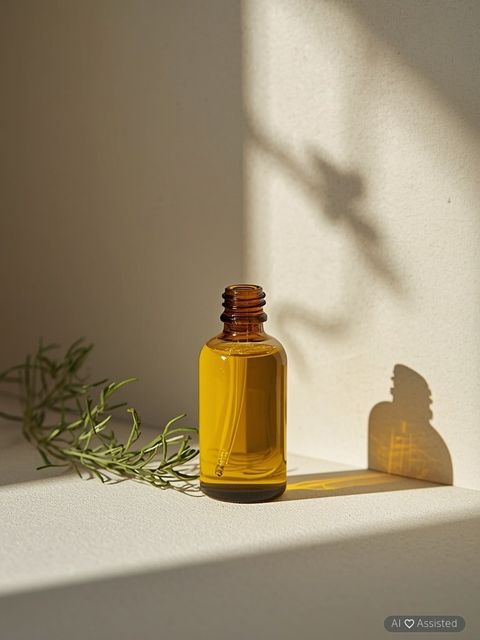
Camelina oil should be stored in dark glass bottles in a refrigerated environment (4–10°C / 39–50°F). After opening, it is best consumed within 2–3 months. A beneficial daily intake is approximately 1–2 teaspoons incorporated into meals.
The price generally ranges from 12 to 20 PLN per 250 ml bottle, readily obtainable from regional farmers' markets and specialty health retailers.

Anna Schmidt
✓Diets Premium Expert
Diets Premium team expert. Specializes in nutrition plans, strength sports, and training plans.
View Profile →