CLINICAL KNOWLEDGE MAGAZINE
5 min read
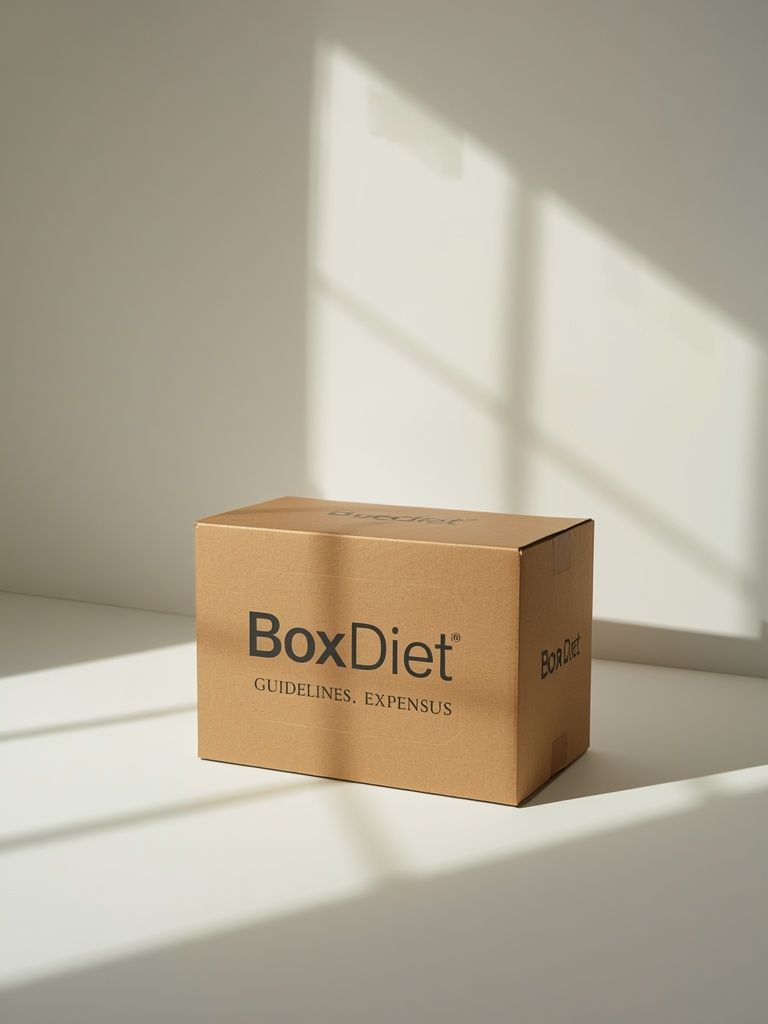
BoxDiet: Guidelines, Efficacy, Expenses, and Sample Meal Plan

Tim Klein
✓
Diets Premium Medical Expert • 23.10.2026
✓
Scientifically reviewed by a clinical dietitian:
This article has been peer-reviewed for adherence to IŻŻ, WHO, and PTGiP clinical nutritional standards.
| CLINICAL KNOWLEDGE MAGAZINE CLINICAL KNOWLEDGE MAGAZINE | min read 5 min |
| Diets Premium Medical Expert Tim Klein | Scientifically reviewed by a clinical dietitian 23.10.2026 |
Smart Voice
•Listen to the article content live
0:00
/
0:00
Key Takeaways
A growing number of individuals who prioritize a healthy and balanced diet are opting for BoxDiet. The market for pre-prepared meal plans continues to expand, offering an increasingly diverse range of daily menus. Clients can select meals tailored to their caloric needs and taste preferences, delivered fresh immediately after preparation and packaging. Learn about the operating principles, meal quality, and whether the promised effectiveness justifies the cost.
Meal Plan
Want to apply these guidelines in your daily diet?
Our smart diet generator creates a tailored meal plan in 3 minutes based on the recommendations in this article.
The Basics of the Box Diet
The box diet refers to home-delivery meal plans offered by various companies. Their core service is providing daily menus tailored to specific caloric values—typically 1,000, 1,200, 1,500, 1,800, and 2,000 kcal—which are prepared overnight, packaged securely, and delivered directly to the consumer during morning hours. A standard daily menu consists of three to five meals depending on the chosen option. Increasingly, catering companies also offer specialized plans accommodating dietary restrictions and food allergies, such as gluten-free, lactose-free, diabetic, or vegetarian menus. Box diets are most frequently chosen by busy professionals or individuals who have struggled with excess body weight for a long time. After trying numerous ineffective diets, many view these prepared meals as an effective solution delivered right to their doorstep. Consumers aim to build new, healthy eating habits and learn appropriate portion control without spending hours on meal planning and cooking. However, a poorly composed box diet will not yield positive changes. Therefore, it is advisable to thoroughly review available options and consult a clinical dietitian before making a final choice.
The Quality of the Meals
The quality of boxed diets varies significantly depending on the price and the company chosen. Due to the rapid growth of the catering market, intense competition forces providers to maintain high standards of quality and variety; otherwise, they risk losing customers. Unfortunately, as consumers, we cannot always independently verify whether specific ingredients, such as organic produce, genuinely come from certified organic farms. To ensure proper nutritional composition, recipes should be formulated and balanced by professional dietitians in collaboration with chefs who prioritize both health and flavor. The flavor profile of delivered meals can sometimes spark debate, as traditional home-cooked meals heavily seasoned with salt and fat differ noticeably from lighter catering options. Many customers note that meals can occasionally taste under-seasoned, which stems from mass-production processes and the diverse palates of various consumers. Additionally, food texture can degrade during prolonged storage or transport. To prevent this, consumers can adjust seasoning according to personal preference using healthy herbs and spices, and reheat dishes appropriately before consumption.
Effectiveness of the Box Diet
Initially, the caloric content and nutritional quality of delivered meals were sources of controversy, with certain energy-restricted diets actually containing more calories than claimed. As the industry evolved, companies placed much greater emphasis on accurate nutritional values. However, it is unwise to blindly trust marketing assurances from business owners. The ultimate effectiveness of any diet also depends heavily on the consumer, as choosing the correct caloric tier is essential for achieving optimal results. This matter should be determined in advance with a clinical dietitian. A diet will be effective if we adhere to it faithfully, ensure it matches our lifestyle, age, gender, and goals, and avoid unauthorized snacking or altering the sequence of meals. We must also account for calories consumed via beverages—such as a glass of juice or coffee with milk and sugar—which can add substantial uncounted kilocalories to our daily intake. Before selecting a catering provider, it is wise to review the sample menu to ensure it promotes wholesome, high-quality nutrition.
Costs of the Box Diet
The box diet definitely helps save valuable time, though unfortunately not money. The cost of a daily menu starts at around PLN 40 for low-calorie options (1000–1200 kcal) and increases in proportion to the higher energy value of the diet. When calculated monthly, a basic low-calorie plan requires a significant financial commitment, while higher caloric options like 1800 kcal or more can generate substantial monthly expenditures. Therefore, users should carefully evaluate their financial readiness before subscribing long-term.
Sample Meal Plan
A sample box diet plan typically consists of five meals: breakfast, second breakfast, lunch, afternoon tea, and supper. Each meal provides a precise number of calories and nutrients, meaning individual dishes should not be randomly swapped throughout the day. An example of a 1500 kcal daily menu:
• Breakfast: Vegetable omelet
• Second breakfast: Red cabbage and apple salad
• Lunch: Chicken in barbecue sauce with groats and side salad
• Afternoon tea: Cream of vegetable soup
• Supper: Baked vegetables with garlic sauce.
A delivered diet presents both advantages and disadvantages worth weighing carefully. Before committing, consult a dietitian to determine the most beneficial caloric intake. Furthermore, many companies offer trial one-day menus at a lower price so clients can verify whether the chosen option suits their palate and lifestyle.
Tim Klein
Diets Premium Medical Expert
Member of the Diets Premium clinical editorial board. Specializes in medical diet therapy, metabolic health, and nutritional planning.
View Profile →