CLINICAL KNOWLEDGE MAGAZINE
3 min read
Boost your memory – the inactive brain atrophies

Alicja Kowalska
✓
Diets Premium Medical Expert • 23.10.2026
✓
Scientifically reviewed by a clinical dietitian:
This article has been peer-reviewed for adherence to IŻŻ, WHO, and PTGiP clinical nutritional standards.
| CLINICAL KNOWLEDGE MAGAZINE CLINICAL KNOWLEDGE MAGAZINE | min read 3 min |
| Diets Premium Medical Expert Alicja Kowalska | Scientifically reviewed by a clinical dietitian 23.10.2026 |

Smart Voice
•Listen to the article content live
0:00
/
0:00
Key Takeaways
The human brain exhibits remarkable neuroplasticity, retaining the ability to forge new neural connections throughout life. Much like muscles, however, it demands consistent mental exercise and stimulation. Discover scientifically supported techniques for memory enhancement, brain-boosting nutrition, and lifestyle habits that safeguard cognitive vitality.
Meal Plan
Want to apply these guidelines in your daily diet?
Our smart diet generator creates a tailored meal plan in 3 minutes based on the recommendations in this article.
Neuroplasticity – why the brain demands daily cognitive exercise
The brain's innate capacity to adapt, learn, and structurally reorganize synaptic pathways is known as neuroplasticity. The core biological principle governing neuronal health is uncompromising: 'use it or lose it.' When we surrender to passive routines devoid of cognitive challenge, synaptic strength wanes and connectivity diminishes. Conversely, active intellectual engagement stimulates brain-derived neurotrophic factor (BDNF), a vital protein promoting neurogenesis, neuron survival, and long-term synaptic plasticity.
Effective techniques and exercises for memory enhancement
Memory training thrives on diversity of intellectual stimulation. Exceptional cognitive benefits are gained from acquiring a foreign language, learning to play a musical instrument, solving analytical logic puzzles, and playing chess. Employing proven mnemonics – such as the method of loci (memory palaces), visual associations, and conceptual mind mapping – dramatically enhances retention. Mundane daily challenges, such as memorizing grocery lists or navigating novel walking routes, consistently activate the hippocampus and reinforce cognitive reserve.
Brain nutrition – high-performance fuel for neurons
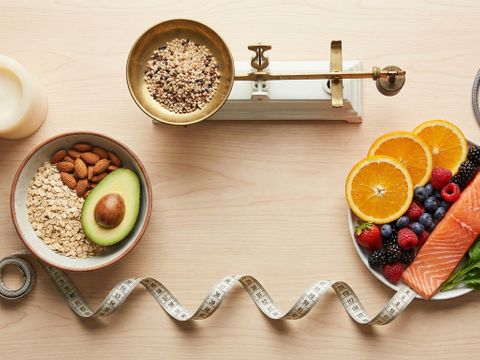
Although accounting for only about 2% of total body weight, the brain consumes more than 20% of basal metabolic energy. Optimal neuronal function depends heavily on omega-3 polyunsaturated fatty acids, particularly docosahexaenoic acid (DHA), a primary structural component of neuronal cell membranes found in fatty marine fish (wild salmon, mackerel, sardines) and walnuts. Potent antioxidants (blueberries, dark cocoa), B-complex vitamins (B6, B12, folate to regulate homocysteine), and choline from egg yolks (the precursor to the memory neurotransmitter acetylcholine) are equally critical.
Sleep, physical exercise, and stress reduction in neuroprotection
Cognitive conditioning cannot succeed in the absence of physiological restoration. During deep slow-wave sleep (NREM), the brain consolidates memories, transferring representations from hippocampal short-term storage to the neocortex, while the glymphatic system clears neurotoxic metabolic debris including beta-amyloid. Regular aerobic exercise (brisk walking, swimming, cycling) enhances cerebral blood flow and promotes hippocampal neurogenesis. Chronic stress and elevated cortisol exert toxic effects on neural tissue; thus, mindfulness, restorative rest, and stress reduction are imperative for lifelong cognitive longevity.
Alicja Kowalska
Diets Premium Medical Expert
Member of the Diets Premium clinical editorial board. Specializes in medical diet therapy, metabolic health, and nutritional planning.
View Profile →