3 min read
Black Cumin (Nigella sativa): Medicinal Value, Composition, and Therapeutic Use

Sophia Williams
✓
Diets Premium Expert • 23.10.2026
✓
Scientifically reviewed by a clinical dietitian:
This article has been peer-reviewed for adherence to IŻŻ, WHO, and PTGiP clinical nutritional standards.
| Diets Premium Expert Sophia Williams | min read 3 min | Scientifically reviewed by a clinical dietitian 23.10.2026 |
Smart Voice
•Listen to the article content live
0:00
/
0:00
Key Takeaways
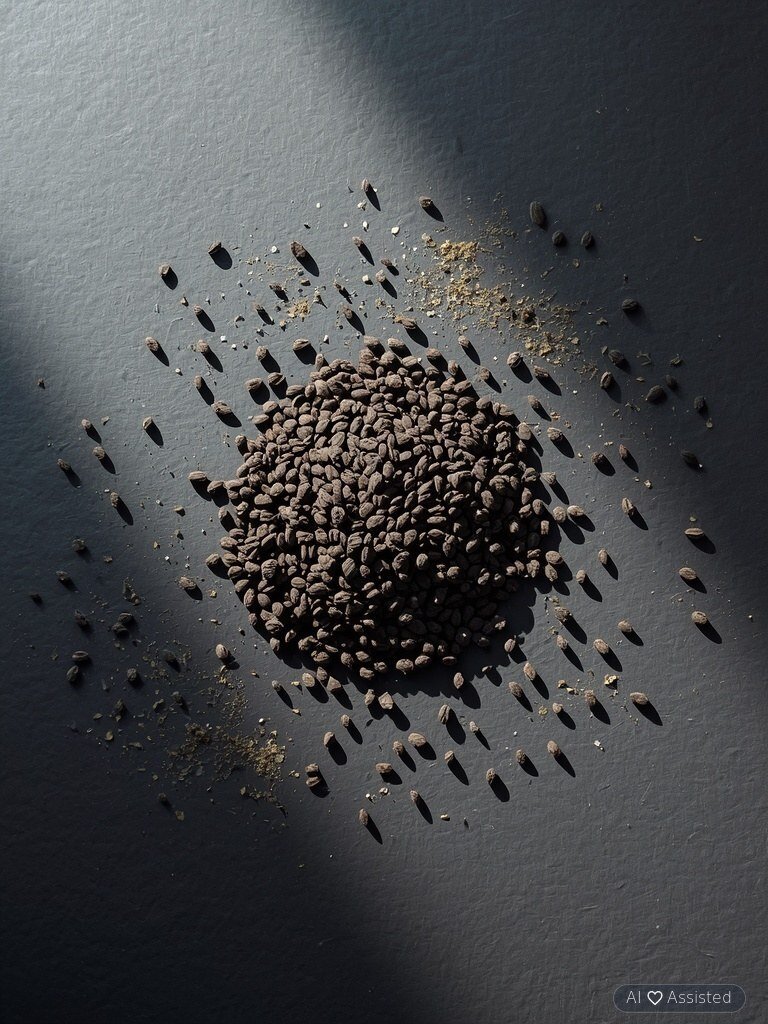
Nigella sativa, commonly referred to as black cumin, was highly regarded by ancient Egyptians for its remarkable properties. They considered both the seeds and the oil extracted from this plant to be as valuable as "the gold of the pharaohs" because they believed it could cure nearly any ailment. Contemporary research, including over 700 studies, confirms that black cumin can serve as an effective treatment for a wide range of health conditions.
Meal Plan
Want to apply these guidelines in your daily diet?
Our smart diet generator creates a tailored meal plan in 3 minutes based on the recommendations in this article.
Medicinal and Pharmacological Properties of Black Cumin.
It has been shown to have a beneficial effect on the immune system, so its use helps the body to eliminate the first symptoms of flu or cold, and it can also fight the symptoms of allergies more effectively. It is recommended for allergy sufferers and people with immunity. It has strong anti-viral, anti-bacterial and anti-inflammatory effects in the blood. Regular intake of black pepper has been proven to have beneficial effects on the body's immune system and therefore its use can help the body eliminate early symptoms of influenza or a cold and can also help to fight symptoms of sensitivity.
Active Biochemical Components and Essential Fatty Acids.
Black seed oil is primarily a source of unsaturated fatty acids linoleic and linolenic. Another ingredient that deserves attention is essential oils. They not only improve mood, but they also have bactericidal properties, and their use is recommended for people with problems with proper functioning of the pancreas.
Practical Applications in Dietetics and Phytotherapy.
The simplest of these is to add it to bread, soup, pasta, salads, sauces, sandwiches, whole grain dishes, and roasted meats and vegetables. You can also make tea with it: 1 teaspoon of seeds we pour with boiling water, fry for 20 minutes and then we postpone, possibly delivering honey. For those of you who don't like the taste of this spicy spice, a great alternative will be black pepper oil pressed on cold.
Tags

Sophia Williams
✓Diets Premium Expert
Diets Premium team expert. Specializes in nutrition plans, strength sports, and training plans.
View Profile →