Nutrition
4 min read
Baltic Cod – Breeding, Fishing, Characteristics, Threats

Isabella Taylor
✓
Diets Premium Medical Expert • 25.09.2026
✓
Scientifically reviewed by a clinical dietitian:
This article has been peer-reviewed for adherence to IŻŻ, WHO, and PTGiP clinical nutritional standards.
| CLINICAL KNOWLEDGE MAGAZINE Nutrition | min read 4 min |
| Diets Premium Medical Expert Isabella Taylor | Scientifically reviewed by a clinical dietitian 25.09.2026 |
Smart Voice
•Listen to the article content live
0:00
/
0:00
Key Takeaways
In the past, cod was a widely available fish, and dishes made from it were food for the poor and a substitute for meat during the days of Catholic fasting. Today, cod's status as a food is changing due to decreasing fish stocks and rising prices.
Meal Plan
Want to apply these guidelines in your daily diet?
Our smart diet generator creates a tailored meal plan in 3 minutes based on the recommendations in this article.
The Collapse of Cod Populations: Excessive Fishing and Baltic Sea Ecosystem Degradation as Primary Threat Factors
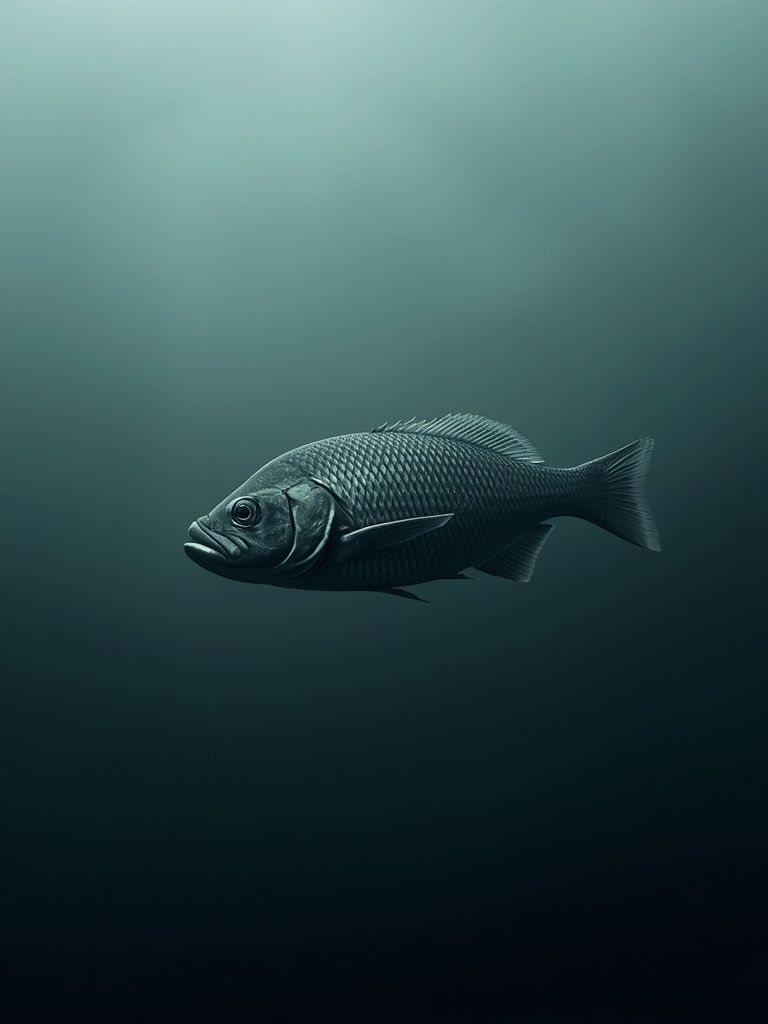
Over the course of the past two decades, the Atlantic cod—once a ubiquitous species within the Baltic Sea ecosystem—has emerged as the quintessential emblem of the crisis stemming from unsustainable marine resource exploitation. Whereas this fish thrived in abundance as recently as the mid-20th century, its populations now teeter on the precipice of biological collapse. The primary driver of this decline remains unchecked overfishing, which at its peak reached annual yields of 120,000–170,000 metric tons—figures that vastly exceeded the ecosystem’s regenerative capacity. Present-day catch limits, enforced through stringent European Union regulations, have curtailed fishing volumes to roughly half of their historical maxima. Equally critical, though frequently overlooked, is the ongoing ecological transformation of the Baltic Sea: a steady decline in salinity levels coupled with excessive organic biomass proliferation, both of which severely impede the growth and survival of juvenile specimens. As a predatory species endowed with specialized morphological adaptations—a streamlined, hydrodynamic body, a powerful caudal fin, and a heavily toothed jaw—the cod is superbly equipped for pursuing smaller fish, occasionally resorting to cannibalistic behavior toward its own offspring. Its dominance within the Baltic’s food web is further bolstered by the absence of key predators such as seals or blue sharks, which in other regions pose significant threats to these agile, bottom-dwelling fish.
Atlantic cod: A comprehensive examination of nutritional composition, culinary attributes, and health-promoting properties of its flesh
Atlantic cod is distinguished by its snow-white, finely textured flesh characterized by a mild, nearly neutral flavor profile, rendering it exceptionally versatile for culinary applications—whether roasted whole, poached, braised, or grilled. As a representative of marine fish species, cod provides a substantial concentration of high-quality protein (approximately 17 grams per 100 grams of edible portion), with a digestibility coefficient reaching an impressive 98%, indicating near-complete utilization by the human body. Beyond its protein content, cod serves as a rich source of essential trace elements: it supplies roughly half of the daily iodine requirement—a mineral critical for thyroid hormone synthesis (thyroxine/T4 and triiodothyronine/T3)—while also contributing 23% of the recommended daily allowance (RDA) for selenium, a potent antioxidant involved in redox homeostasis. Owing to its low mercury content and high nutritional density, cod is explicitly recommended for consumption by pregnant women as well as individuals with thyroid dysfunctions, including hypothyroidism. Of particular note is cod’s abundance of long-chain omega-3 fatty acids (eicosapentaenoic acid/EPA and docosahexaenoic acid/DHA), whose deficiency in contemporary diets—compounded by an excess of omega-6 fatty acids—has been linked to an elevated risk of chronic diseases such as atherosclerosis, inflammatory disorders, and metabolic syndrome. Additionally, cod constitutes a significant dietary source of vitamin D3 (cholecalciferol), which plays a pivotal role in immune system modulation, calcium-phosphorus metabolism, and mood regulation, thereby offering substantial benefits during the autumn and winter months when sunlight exposure is limited. It is also worth highlighting that cod liver, historically valued for its oil, yields a nutrient-dense product rich in unsaturated fatty acids, vitamins A and D, which has been employed both prophylactically (e.g., to prevent vitamin deficiencies and immune compromise) and therapeutically (e.g., in the management of gout or as an adjunct in glucose metabolism for individuals with prediabetic conditions).
A Comprehensive Guide to Selecting Premium Cod: Key Indicators of Freshness and Quality
Selecting fresh cod demands both knowledge and attentiveness—whether purchasing from a local fish market, a supermarket, or a trusted supplier. Critical factors extend beyond the point of sale to include storage methods, catch dates, and a thorough visual and olfactory assessment of the product. This guide outlines the key considerations to ensure your chosen cod retains its flavor, nutritional value, and optimal texture—from the moment of purchase through preparation in your home kitchen.
Cod: Health Risks and Potential Hazards Associated with Consumption
Cod meat, much like that of numerous other fish species, contains highly potent allergens, including the parvalbumin designated as Gad c I. Consumption of both fishmeal and raw, cooked, or thermally processed flesh has the potential to trigger severe allergic reactions in susceptible individuals; thus, it is imperative to undergo allergen testing prior to ingestion to rule out hypersensitivity to components present in this fish. An additional, naturally occurring hazard is posed by the larvae of the nematode *Pseudoterranova decipiens*. To effectively neutralize these parasites, the meat must be subjected to thermal treatment at temperatures exceeding 60°C for a minimum of ten minutes or frozen at temperatures below –20°C for at least three days. Ingesting live larvae alongside undercooked, raw, cold-prepared, marinated, or salted fish flesh may result in anisakiasis—a parasitic infection of the gastrointestinal tract. It is noteworthy, however, that even dead larvae can elicit allergic responses upon consumption. Furthermore, it should be emphasized that fish sourced from the Baltic Sea frequently exhibit elevated levels of hazardous chemical compounds, such as dioxins and dioxin-like polychlorinated biphenyls (PCBs). Baltic cod, in contrast, contains relatively low concentrations of these substances, rendering it a safer option compared to other species from the same region. The mercury content in 100 grams of cod amounts to approximately 4.7 micrograms—a figure that is ten to fifteen percent lower than that found in herring or Baltic salmon. As a predatory fish inhabiting, among other areas, the Baltic Sea, cod has been subjected to unsustainable overfishing, leading to a dramatic decline in its population. Its flesh is characterized by a delicate, neutral flavor, making it an excellent ingredient for spreads, purées, or soup bases. While it can also be prepared in a traditional fried manner, it is important to recognize that high cooking temperatures diminish the beneficial properties of omega-3 and omega-6 fatty acids, of which cod serves as a valuable source.
Isabella Taylor
Diets Premium Medical Expert
Member of the Diets Premium clinical editorial board. Specializes in medical diet therapy, metabolic health, and nutritional planning.
View Profile →