Amaranth Flour – Characteristics, Culinary Applications, and Nutritional Value

| Diets Premium Expert Katarzyna Mazur | min read 5 min | Scientifically reviewed by a clinical dietitian 23.10.2026 |
Smart Voice
•Listen to the article content live
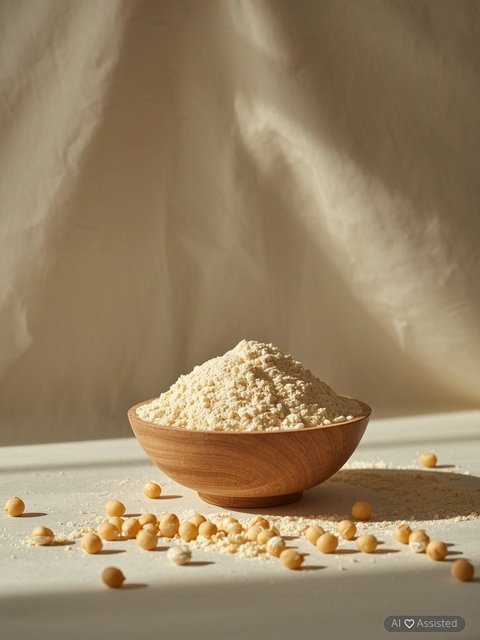
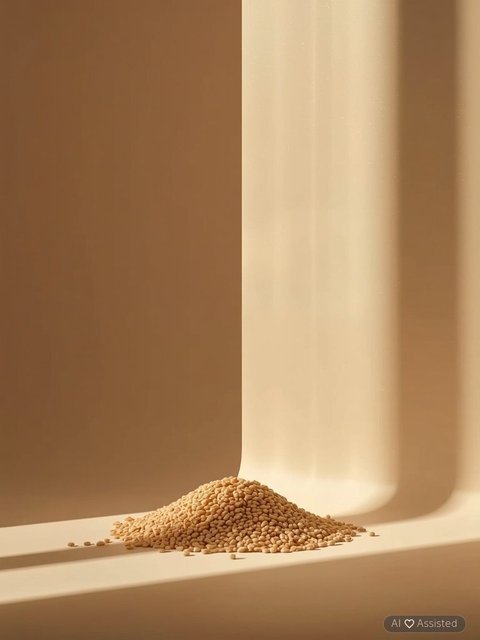
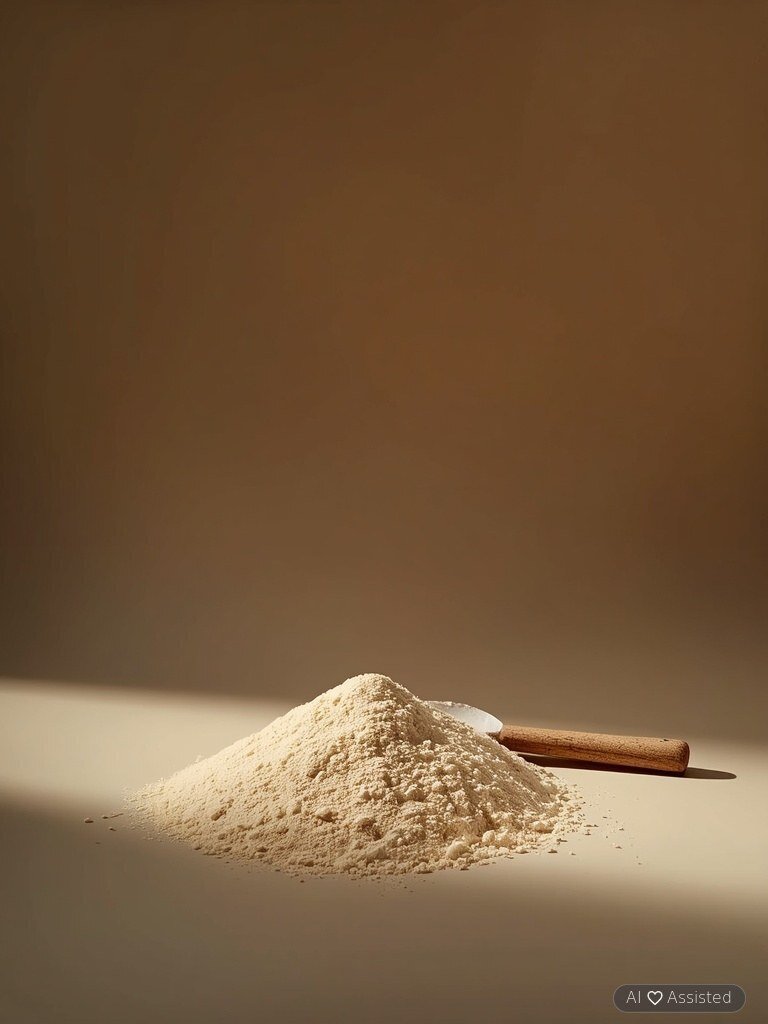
Amaranth flour, milled from the ancestral seeds of Amaranthus, is a powerhouse gluten-free pseudocereal renowned for its extraordinary nutritional density. It provides complete plant protein enriched with lysine, potent squalene antioxidants, alongside bioavailable iron, calcium, and magnesium. Celebrated for its delicate nutty flavor and versatile baking properties, amaranth flour serves as an essential dietary asset for individuals with celiac disease, athletes, and plant-based eaters.
Want to apply these guidelines in your daily diet?
Our smart diet generator creates a tailored meal plan in 3 minutes based on the recommendations in this article.
History of Amaranth and Botanical Pseudocereal Profile
Amaranth was cultivated alongside maize and beans by Aztec, Maya, and Inca civilizations, who venerated it as a sacred grain bestowing vitality and longevity. Taxonomically distinct from true cereals (Poaceae), amaranth belongs to the Amaranthaceae family and is classified as a pseudocereal.
Defining botanical and agronomic attributes:
- Naturally gluten-free – amaranth seeds are devoid of toxic prolamins and gliadin, ensuring safety for celiac and gluten-sensitive populations.
- C4 photosynthetic resilience – utilizes high-efficiency C4 photosynthesis, thriving under drought stress and poor soils.
- Nutrient-dense seed architecture – features a proportionately massive germ layer rich in proteins and bioavailable lipids rather than starchy endosperm alone.
Nutritional Profile: Lysine, Squalene, Iron, and Fiber
Amaranth flour far surpasses conventional grain flours in biological nutritional value:
- Complete plant protein (14–16%) – exhibits an amino acid score approaching that of animal egg protein, notably rich in lysine (frequently absent in wheat and corn) and methionine.
- Squalene (6–8% of lipid fractions) – a rare cardioprotective and dermatoprotective isoprenoid antioxidant predominantly found in deep-sea shark liver oil, shielding cellular membranes against peroxidation.
- Bioavailable minerals – provides 7–8 mg of non-heme iron and 160 mg of calcium per 100 g, providing powerful protection against nutritional anemia in plant-based diets.
- Dietary fiber (~7 g/100 g) – fosters eubiotic gut microbiome diversity and assists in systemic cholesterol clearance.
Culinary Uses of Amaranth Flour and Practical Baking Tips
Devoid of gluten network-forming proteins, amaranth flour possesses distinct culinary dynamics:
- Composite baking blends – substituting 15% to 30% of standard flour with amaranth flour infuses baked goods with a pleasant nutty aroma, prolongs moisture retention, and enhances protein quality.
- 100% gluten-free formulas – best blended with rice flour, buckwheat, or tapioca starch coupled with psyllium husk or xanthan gum to provide structural elasticity.
- Culinary versatility – excels in savory pancakes, waffles, vegetable patties, shortbread cookies, and as a nutrient-dense thickening agent for stews and gravies.
Tags

Katarzyna Mazur
✓Diets Premium Expert
Diets Premium team expert. Specializes in nutrition plans, strength sports, and training plans.
View Profile →