Açaí Berries. Unanimous Scientific Consensus

| Diets Premium Expert Julia Wójcik | min read 3 min | Scientifically reviewed by a clinical dietitian 23.10.2026 |

Smart Voice
•Listen to the article content live
Extensive scientific research confirms that açaí berries represent one of nature's richest botanical sources of polyphenols and antioxidants. Discover the evidence-based facts regarding their impact on metabolic health, cardiovascular defense, and cellular longevity.
Want to apply these guidelines in your daily diet?
Our smart diet generator creates a tailored meal plan in 3 minutes based on the recommendations in this article.
Acai berries: Expert reviews, scientifically validated properties, and evidence-based health benefits
The distinguished Los Angeles-based American marketing firm Pierce Mattie, which specializes in promotional campaigns for cosmetic brands, has positioned acai berries at the forefront of the most sought-after and scientifically endorsed active ingredients renowned for their anti-aging properties. Particularly compelling are the findings from recent investigations conducted by a team of South Korean researchers, which indicate that ellagic acid—a compound found in various berry fruits, including acai—exhibits potent anti-wrinkle capabilities (prior studies had already validated its photoprotective effects). Experimental models using mice demonstrated that skin treated with ellagic acid over an eight-week period, while simultaneously exposed to ultraviolet radiation, exhibited significantly enhanced resistance to damage, retaining its firmness and smoothness. However, it is critical to emphasize that further human clinical trials are essential to confirm the efficacy of this compound under physiological conditions. During a widely viewed episode of *The Oprah Winfrey Show*, the eminent dermatologist Dr. Nicholas Perricone showcased acai berries as a cornerstone of his "anti-wrinkle diet," asserting that these fruits provide protection against premature aging, cardiovascular diseases, and certain cancers, including breast and prostate malignancies. Research confirms that acai berries contain twice the antioxidant capacity of blueberries and ten times that of grapes—corroborating Perricone’s earlier claims, which characterize his dietary approach as a "nutritional facelift." Elisabetta Politi, a nutritionist at the *University Diet and Fitness Center* in Durham, North Carolina, acknowledges that while acai is undeniably highly nutritious, it should not be regarded as a "miracle cure" for all ailments. Nevertheless, scientists concur that these berries possess a broad spectrum of health-promoting attributes. Dr. Lyle Mason highlights that acai serves as a rich source of thousands of phytochemical nutrients, as well as at least eight essential vitamins and minerals, including vitamin C—a well-documented antioxidant with anti-inflammatory properties. Dr. Mary Ann Lila of the *University of Illinois* adds that although bioflavonoids are primarily celebrated for their free-radical-neutralizing capabilities, they also demonstrate robust anti-inflammatory effects. Studies on acai extracts substantiate both of these benefits. Furthermore, analyses of acai’s impact on lipid profiles suggest that regular consumption may reduce levels of low-density lipoprotein (LDL) cholesterol in the blood, a critical factor in atherosclerosis prevention. In summary, the scientifically validated advantages of incorporating acai into one’s diet include: decelerating the aging process through free-radical neutralization, bolstering immune function, alleviating fatigue, facilitating bodily detoxification, maintaining optimal body weight, lowering LDL cholesterol levels, and supplying the body with vital vitamins and antioxidants. Considering these benefits, integrating acai into daily nutrition is worthwhile—even if the results are not dramatic, these berries will undoubtedly enrich the diet with valuable nutrients without inducing any adverse effects.
Antioxidant Capacity and ORAC Index: Anthocyanins vs Free Radicals
Açaí berries (*Euterpe oleracea*) captured global scientific interest largely due to their extraordinary antioxidant density. When evaluated via the Oxygen Radical Absorbance Capacity (ORAC) assay, freeze-dried açaí matrix routinely yields scores between 100,000 and 160,000 micromoles of Trolox Equivalents (TE) per 100 grams, easily surpassing the majority of temperate zone cultivated berry crops.
The biological engines driving this scavenging activity are monomeric anthocyanins—principally cyanidin-3-glucoside and cyanidin-3-rutinoside—which impart the berry's characteristic deep-purple, near-black pigmentation. These bioactive flavonoids neutralize reactive oxygen and nitrogen species (ROS/RNS) while upregulating endogenous antioxidant enzymes, notably superoxide dismutase (SOD) and glutathione peroxidase (GPx). This dual mechanism affords robust genomic preservation against oxidative strand breaks.
Cardiovascular Health and Lipid Profile Modulation by Açaí
Unlike conventional berries composed almost entirely of water and carbohydrates, the dry matter of açaí contains nearly 50% dietary lipids. The fatty acid architecture of açaí closely mirrors extra virgin olive oil: dominated by monounsaturated oleic acid (omega-9, ~56%) and polyunsaturated linoleic acid (omega-6, ~24%). Furthermore, the lipid matrix is heavily enriched with bioactive plant phytosterols, predominantly beta-sitosterol.
Human clinical interventions demonstrate that daily ingestion of pure açaí pulp improves systemic lipid dynamics. Phytosterols competitively impede intestinal cholesterol absorption within enterocytes, driving measurable reductions in circulating low-density lipoprotein (LDL) cholesterol and non-HDL fractions. Simultaneously, açaí anthocyanins upregulate endothelial nitric oxide synthase (eNOS), enhancing arterial elasticity, flow-mediated dilation, and microvascular perfusion.
Glycemic Response, Energy Metabolism, and Anti-Inflammatory Actions
A defining physiological feature of unsweetened açaí pulp is its exceptionally low simple sugar content. In its authentic, additive-free state, açaí possesses a negligible glycemic index and minimal glycemic load, rendering it metabolically suitable for individuals managing insulin resistance, metabolic syndrome, or type 2 diabetes.
Pilot clinical trials involving overweight adults revealed that 30-day dietary inclusion of raw açaí pulp significantly lowered fasting blood glucose and moderated postprandial insulin spikes following oral glucose tolerance challenges. These glycemic benefits were accompanied by downward shifts in inflammatory biomarkers, including hs-CRP and interleukin-6 (IL-6). Açaí polyphenols downregulate NF-κB nuclear translocation, suppressing pro-inflammatory cytokine expression within visceral adipose stores.
Marketing Myths vs Scientific Reality: Does Açaí Induce Weight Loss?
Over recent decades, açaí berries have frequently been marketed under hyperbolic claims as a 'miracle fat burner' capable of producing rapid weight loss without lifestyle modifications. Contemporary evidence-based nutrition decisively dispels these sensational claims: no standalone botanical can induce sustainable adipose tissue reduction independent of a controlled caloric deficit.
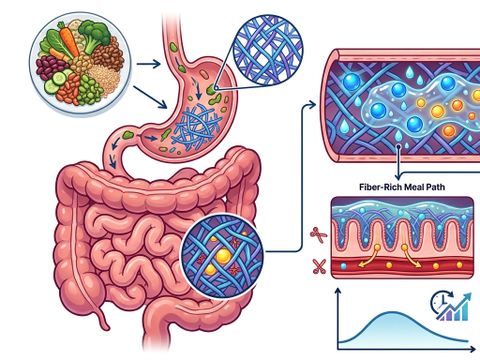
The authentic utility of açaí during weight management is indirect yet clinically meaningful. Rich in viscous fiber and healthy fats, açaí promotes gastric distension, extends satiety signaling, stabilizes hunger hormones (ghrelin and leptin), and prevents rebound carbohydrate cravings. Incorporating unadulterated açaí into a balanced caloric-deficit protocol supports diet adherence while safeguarding the body against oxidative stress induced by active lipolysis.
Preparation Forms: Freeze-Dried Powder, Frozen Pulp, and Açaí Bowls
Freshly harvested açaí berries degrade within 24 to 48 hours post-harvest due to rapid enzymatic oxidation. Consequently, international distribution relies on two primary preservation technologies: flash-frozen unsweetened pulp and low-temperature freeze-dried powder. Freeze-drying preserves over 95% of delicate heat-labile anthocyanins and antioxidant polyphenols, delivering a shelf-stable and potent nutrient matrix.
The quintessential culinary preparation is the popular 'açaí bowl'—a thick smoothie blend of frozen pulp, banana, and plant milk, garnished with nuts, chia seeds, and berries. However, consumers must exercise discernment: commercial food outlets frequently use purées pre-sweetened with refined guarana syrup or cane sugar, inadvertently converting an antioxidant dish into a high-sugar dessert. Opting for 100% pure unsweetened pulp or certified organic freeze-dried powder ensures peak therapeutic efficacy.

Julia Wójcik
✓Diets Premium Expert
Diets Premium team expert. Specializes in nutrition plans, strength sports, and training plans.
View Profile →