What are polyphenols?

Isabella Taylor
✓
Diets Premium Medical Expert • 23.03.2026
Smart Voice
Listen to the article content live
✓
Scientifically reviewed by a clinical dietitian:
This article has been peer-reviewed for adherence to IŻŻ, WHO, and PTGiP clinical nutritional standards.
| CLINICAL KNOWLEDGE MAGAZINE Health | min read 7 min |
| Diets Premium Medical Expert Isabella Taylor | Scientifically reviewed by a clinical dietitian 23.03.2026 |

Key Takeaways
Es ist seit langem bekannt, dass eine Diät, die reich an Obst und Gemüse ist, zur Aufrechterhaltung der Gesundheit beiträgt. Dies ist auf den hohen Gehalt an Polyphenolen zurückzuführen. Eine Diät, die diese wertvollen Pflanzenstoffe liefert, kann vor vielen Krankheiten schützen, wie beispielsweise Herz-Kreislauf-Erkrankungen, diversen Krebsarten, Karies und Magengeschwüren (K. Goszcz et al., 2017). Lohnt es sich, sie zu ergänzen? Wo können sie gefunden werden?
Meal Plan
Want to apply these guidelines in your daily diet?
Our smart diet generator creates a tailored meal plan in 3 minutes based on the recommendations in this article.
PRO Content
PRO
This article is professional premium content (PRO) provided in its entirety.
What are plant-derived polyphenols
Polyphenols are chemical compounds produced by plants as secondary metabolites, which are present in flowers, leaves, fruits, and seeds. They are responsible for the coloration of plants and protect them from harmful environmental factors such as low temperatures and drought. Furthermore, they can function as hormones, regulating growth processes and inhibiting various enzymatic reactions. Polyphenols are also valuable nutrients in the human diet, and their metabolism in the human body primarily occurs in the liver and kidneys.
Categorization of Polyphenols
It falls under a very extensive group, with over 8,000 distinct polyphenolic compounds identified. Based on their chemical structure, they are categorized into: flavonoids (flavones, flavonols, isoflavones, flavanones, flavanols, anthocyanins); phenolic acids (derived from cinnamic and benzoic acids, e.g. chlorogenic acid, caffeic acid, gallic acid); lignans; stilbenes (resveratrol); terpenoids (saponins); nitrogenous compounds (glucosinolates).
Functions of polyphenolic compounds and their significance for health
Polyphenolic compounds play a crucial role in the human body, being substances with high biological activity, primarily due to their strong anti-inflammatory potential (G. F. Ferrazzano et al. 2011). They eliminate harmful reactive forms of oxygen, such as free radicals, and provide protection against ultraviolet radiation (E. Gheribi 2011). Furthermore, they exhibit anticancer, antifungal, antiviral, and antibacterial properties (A. Koszowska et al., 2013; P. Krzydzek, 2011). Some polyphenolic compounds, like soy isoflavones and epicatechin, contribute to lowering blood sugar levels. Phytoestrogens, on the other hand, can regulate liver synthesis of cholesterol. A meta-analysis of 38 controlled clinical studies found that consuming around 47 g of soy protein daily was associated with a significant reduction in total cholesterol by 9.3%, LDL cholesterol (so-called bad cholesterol) by 12.9%, and triglycerides by 10.5% (J. W. Anderson, B. M. Johnstone, M. E. Cook-Newell 1995).
Sources of phenolic compounds
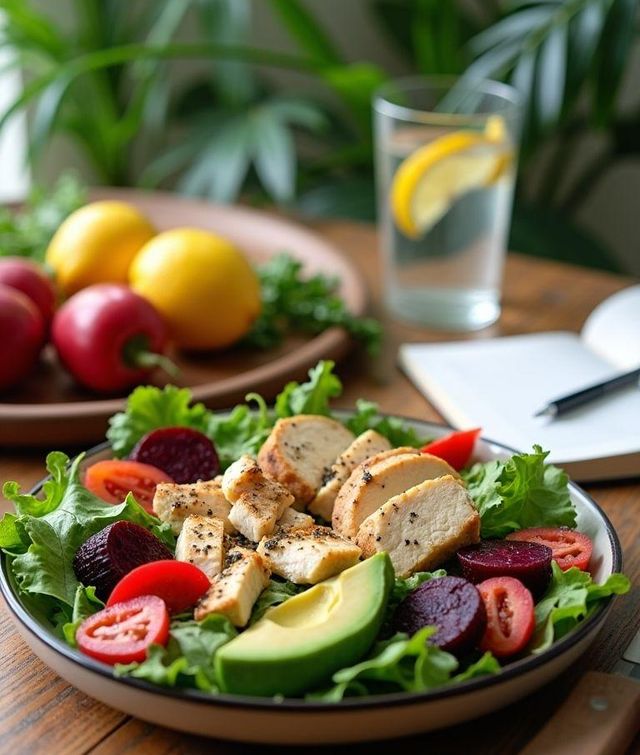
Phenolic compounds are present in plant products such as vegetables, fruits, nuts, spices, tea, coffee, wine, olive oil, and cocoa. A rich source of phenolic compounds is berry fruit (such as strawberries, raspberries, blackberries, aronia, and blueberries), but they are also found in fruit juices. However, during the production of fruit juices from concentrates, some phenolic compounds are removed, and therefore fresh fruit juices will contain more phenolic compounds. Vegetables also contain phenolic compounds, but less than fruits. Among vegetables, the best sources of phenolic compounds are cruciferous vegetables (such as kohlrabi), onion vegetables (onion and garlic), root vegetables (beetroot), and nightshade vegetables (such as red pepper). The content of phenolic compounds in selected products (in mg/100 g) is: aronia - 1542, blueberries - 68.45, fresh apple with skin - 13.51, dark grapes - 20.12, orange juice - 23-70.5, apple juice - 1.4-6.0, fresh broccoli - 9.37, red onion - 33.07, yellow onion - 13.27, parsley root - 9.42, fresh spinach - 5.97.
Polyphenols and cancerous tumors
Glucosinols exhibit a preventative effect in the context of cancerous tumors. In the body, these compounds are metabolized into active isothiocyanates and indoles that exhibit anti-cancer properties. Glucosinols protect DNA from damage by affecting enzymatic activity and providing protection against free radicals and other carcinogenic substances. Furthermore, they affect the removal of already mutated and damaged DNA cells. By regulating the cell cycle, they contribute to the death of cancer cells. Additionally, glucosinols also have anti-inflammatory, antibacterial, antiviral, and antimetastatic properties.
Polyphenols and their role in the prevention of heart diseases
According to data from the Central Statistical Office of Poland, cardiovascular diseases are the leading cause of death in Poland. It is known that daily consumption of large amounts of fruits and vegetables can be beneficial for health and reduce the risk of developing cardiovascular diseases. The protective effect of fruits and vegetables is due to their high content of polyphenols. A diet rich in polyphenols reduces the risk of cardiovascular diseases by 46% (K. Goszcz and colleagues 2017). Epidemiological studies have also shown that a high intake of polyphenol-rich foods may be linked to a reduced risk of disease, particularly cardiovascular diseases and coronary heart disease (M. Michalska and colleagues 2010). One cause of the development of cardiovascular diseases is endothelial dysfunction, and polyphenols improve its function and inhibit platelet aggregation (M. Michalska 2010). Furthermore, polyphenols dilate blood vessels, improve the lipid profile (M. Quinones 2013), and contribute to lowering blood pressure and reducing inflammation (S. Biegańska-Hensoldt, D. Rosołowska-Huszcz 2017). The beneficial effect of polyphenols in the case of cardiovascular diseases has also been confirmed by a meta-analysis by H. Speer and colleagues. The researchers analyzed seven randomized, controlled trials with a total of 133 participants who consumed polyphenol-rich foods and supplements for a period of 56-145 days, with the total polyphenol content in the consumed foods and supplements not exceeding 1015 mg per 100 g. Most studies showed that a high intake of polyphenols improved the inflammatory state and lipid profile.
Polyphenols and gastrointestinal diseases, including duodenal ulcer
Helicobacter Pylori is present in the digestive tracts of more than half of the world's population (Y. Wang 2014). This Gram-negative bacterium has the ability to produce a specific vacuolating toxin (VAcA) that damages the stomach walls. Infection with this pathogen is also associated with an overreaction of the immune system, leading to excessive production of pro-inflammatory cytokines (P. Krzyżek 2017). Indirectly, this contributes to the development of gastritis, gastrointestinal diseases, and, in the long term, even stomach cancer. Studies have shown that certain polyphenols such as quercetin and apigenin have a positive impact on gastritis (Y. Wang 2014). Apple extract inhibits the multiplication of H. pylori (P. Krzyżek 2017). In addition, Ch. Ankolekar and his colleagues have shown that quince juice and tea have a strong antibacterial effect. Quince is recommended as therapy for nausea, diarrhea, and peptic ulcer. In the study, four types of tea were also analyzed: white tea, green tea, black tea, and oolong tea. In the teas, polyphenols such as catechins, quercetin, caffeine, and gallic acid were detected. Tea extract contributes to the inhibition of the development of many pathogenic bacteria, including H. pylori.
Polyphenols and dental caries
Dental caries is a multifactorial infectious disease associated with disturbances in the oral cavity's microbiota, poor oral health, and dietary factors. The tooth is the habitat of many bacteria that feed on carbohydrates. Carbohydrate fermentation produces acids that contribute to dental caries. The development of dental caries depends on the amount of food particles that remain on the tooth surface and can serve as a substrate for bacteria, leading to microbial demineralization. One of the main factors contributing to dental caries is Streptococcus mutans. In recent years, there has been growing interest in the effect of natural food components on oral microbiota and oral health. Polyphenols, in particular, have been shown to affect the oral cavity's microbiota, promoting the growth of beneficial bacteria and inhibiting the development of pathogenic ones that cause dental caries. The mechanism of the positive impact of polyphenols in the context of dental caries is complex, involving the inhibition of the growth and metabolism of cariogenic bacteria and reducing the adhesion of Streptococcus mutans to tooth surfaces.
Is it worth supplementing the diet with polyphenols?
A healthy lifestyle is based on the use of a good diet. Supplementation can only serve as a supplement to a well-balanced diet plan. It is important to emphasize that there are no established norms for polyphenol intake per day. There are also no studies that can illustrate the saturation level of the body with these compounds. Therefore, it is important that the daily diet is rich in various plant-based products that are a great source of polyphenols. Regular consumption of adequate amounts of various vegetables and fruits makes additional supplementation unnecessary. A diet rich in plant-based products provides sufficient polyphenols that have a positive impact on health. Polyphenols have a preventive effect on many civilization diseases, such as cardiovascular diseases, cancer, and caries. Furthermore, their strong antibacterial properties have a positive impact on inhibiting the growth of pathogenic bacteria, such as H. Pylori.
Tags
Isabella Taylor
Diets Premium Medical Expert
Member of the Diets Premium clinical editorial board. Specializes in medical diet therapy, metabolic health, and nutritional planning.
View Profile →