PRO
7 min read
Truly, is Hydrolysate Superior to Protein Isolate? A Comparison.

Mateusz Pawlak
✓
Diets Premium Expert • 21.03.2026
✓
Scientifically reviewed by a clinical dietitian:
This article has been peer-reviewed for adherence to IŻŻ, WHO, and PTGiP clinical nutritional standards.
| Diets Premium Expert Mateusz Pawlak | min read 7 min | Scientifically reviewed by a clinical dietitian 21.03.2026 |

Smart Voice
•Listen to the article content live
0:00
/
0:00
Key Takeaways
Protein supplements serve a fundamental role in sports supplementation. A variety of products available on the market are advertised under numerous names and designations, often leading to a challenging situation: which supplement to choose in order for its action to be fully tailored to planned necessities. Our article aims to dispel certain uncertainties regarding the choice between hydrolysate and protein isolate.
Meal Plan
Want to apply these guidelines in your daily diet?
Our smart diet generator creates a tailored meal plan in 3 minutes based on the recommendations in this article.
PRO Content
PRO
This article is professional premium content (PRO) provided in its entirety.
What does it mean for whey protein to be hydrolyzed?
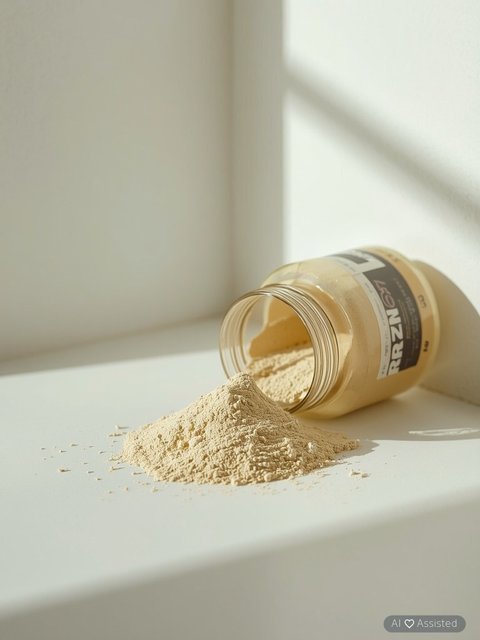
Whey protein hydrolysate refers to a specific group of milk proteins obtained through the process of hydrolysis. This process is responsible for the destruction of large peptide chains, as a result, some of these compounds are converted into rapidly absorbable forms (di-, tri-, tetra-, and pentapeptides), increasing the supplement's absorption.
Dosing of protein in dietary supplements
The protein content of hydrolysate typically ranges from 90 to 100%. Dietary supplements that contain this type of protein usually contain very little carbohydrates and fats (and are sometimes completely free of them). These characteristics determine that dietary supplements containing hydrolyzed protein are the most expensive protein products on the market. A characteristic feature of these supplements is their bitter taste, which is caused by a lack of sweeteners. Protein supplementation does not differ significantly from other protein preparations - the main factor influencing the frequency of use is the individual needs of the body and the lifestyle of the consumer. However, it is generally accepted that the daily dose of protein for people who are physically inactive should be 0.8 g/kg body weight, while for people who regularly engage in sports or perform intense physical activity, it should be 1.5 to 2.2 g/kg body weight.
Scientific Research on Protein Hydrolysates
Further research has confirmed the efficacy of using hydrolysates. In one of the experiments, the effect of hydrolysates, isolates, and a placebo product on the muscle strength regeneration process was compared. The results indicated that single doses of hydrolyzed proteins regenerated significantly more efficiently than the other two products. Another experiment aimed to demonstrate the effects of hydrolysates and unmodified proteins on blood pressure. For six weeks, a group of 30 people took a daily 20-gram dose of a protein preparation. The investigation included individuals with a blood pressure ranging from 120/80 mmHg to 155/95 mmHg. Control tests (blood pressure measurement, blood cholesterol determination, and identification of possible side effects) lasted for another four weeks. Individuals who took hydrolized whey showed: – a decrease in systolic (average by 8.0 mmHg) and diastolic (average by 5.5 mmHg) pressure, – a decrease in LDL cholesterol levels, – a reduction in C-reactive protein.
At what point should one use protein hydrolysate?
Opinions about the times of using protein hydrolysates are divided. Some individuals recommend using this supplement both before exercise and after training due to the very rapid stimulation of anabolic activity and the prevention of harmful catabolism. Other individuals argue that the best time to use this product is only the post-training period, in order to replenish fatigued muscles with valuable components as quickly as possible. Nevertheless, protein hydrolysates are recommended primarily during weight loss periods, due to the previously mentioned low caloric content of fats and carbohydrates.
What is the significance of whey protein isolate?
Whey protein isolate is a supplement that is obtained through microfiltration cross-flow at low temperatures to protect proteins from the destruction of valuable nutrients. Isolates contain 85 to 90% of the pure protein itself and exogenous amino acids. Another characteristic of isolates is a low level of carbohydrates and fats (up to a maximum of 3%). Protein isolates are very well soluble and also very fast-digesting, which is due to the more effective digestion process. The high quality of these benefits determines the higher price of preparations containing isolated proteins compared to concentrates. The supplementation with protein isolates depends on individual needs and lifestyle, which affects the frequency and type of preferred physical activity and daily energy expenditure. However, it is recommended that the use of isolates should look like this consume one serving (approx. 25–30 g of powder dissolved in 200–250 mL of chilled water) immediately post-exercise to trigger the mTOR signaling cascade and maximize muscle protein synthesis (MPS). Furthermore, during calorie-restricted cutting phases, whey isolate may be taken between meals to safeguard lean tissue without surplus carbohydrate or fat intake.
Recommended Daily Protein Intake
– 0.8 g/kg of body weight for individuals who do not participate in sports and do not wish to influence their muscle development, – 1.5 to 2.2 g/kg of body weight for athletes and individuals who train systematically. A study was conducted on a group of individuals who consumed 60 g of the dietary supplement daily. The results showed a decreased ability of the body to store sugar, lower cortisol levels, and an enhanced feeling of satiety. This indicates that protein isolate is beneficial in reducing excess body weight.
Application Areas
Recent studies have examined the group that took a dose of supplement (10 g) 20 minutes before meal and breakfast. In the control group, maltodextrin and a low-calorie diet were administered intravenously. After a 12-week session, the control group recorded a 6.1% reduction in fat mass and a smaller decrease in dry fat mass. The goal of protein isolation, like any protein-rich diet, is to compensate for protein deficiencies in the diet. Scientific research confirms that individuals who, due to diseases, lactose intolerance or digestive problems, have limited access to protein, can successfully use protein drinks.
Unwanted adverse outcomes
Nutrients based on whey isolate are highly sought-after as a source of fast-absorbing proteins in athletes' diets. Additionally, the low content of carbohydrates and fats along with additional ingredients allows the use of whey isolate as a low-calorie source of meals with high nutritional value. The low content of sweeteners is an additional advantage for people during weight loss and dieting. Another beneficial aspect is the mild taste of nutrients and easier digestion, which is a significant advantage for people with stomach issues. Possible side effects of improper supplementation, which are most often caused by incorrect use of the supplement, are: - abdominal pain, - nausea, - loss of appetite, - fatigue.
How to appropriately make use of whey protein isolate?
Alarming symptoms such as nausea may occur as a result of extended whey protein isolate supplementation and excessive protein consumption. This can lead to an overburdening of kidney and liver functions, resulting in heart diseases, hypertension, and digestive issues.
Serum protein hydrolysate compared to serum protein isolate - conclusions
Recommended times to use these supplements are both before and immediately after intense physical activity. This is due to the very fast absorption time, which leads to an increase in the effectiveness of the supplement. This not only prevents catabolic reactions, but also allows for the full use of high-quality protein and exogenous amino acids. It is very difficult to make a judgement in the confrontation of these two protein supplements, due to the many similarities between them. We recommend hydrolysates for individuals who are not concerned with the cost of supplementation and are on a very restrictive reduction diet. Additionally, it can be recommended to anyone who prefers a product with a fast digestion time, easy absorption, and all those who do not mind the bitter taste of the supplements. Protein isolates are an excellent alternative to missing hydrolysates in supplementation. A lower price is associated with a lower protein content, as well as a higher level of carbohydrates and fats. On the other hand, these differences are not so noticeable in practice, and the solubility is on a comparable high level as with hydrolyzed nutritional supplements. If you want to save money on other nutritional supplements, we recommend purchasing isolates during the next purchases.

mgr Mateusz Pawlak
✓Diets Premium Expert
Diets Premium team expert. Specializes in nutrition plans, strength sports, and training plans.
View Profile →