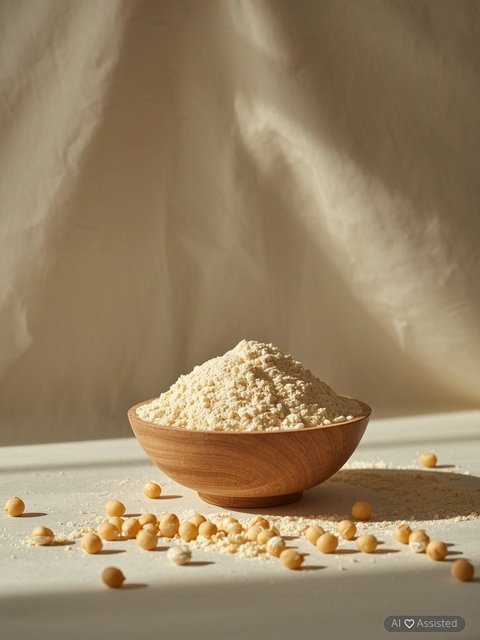
Spelt flakes – Nutritional composition, culinary versatility, and ancient grain tolerance

| Diets Premium Expert Max Müller | min read 6 min | Scientifically reviewed by a clinical dietitian 23.10.2026 |
Smart Voice
•Listen to the article content live
Spelt flakes (crafted from Triticum spelta) stem from an ancient wheat species celebrated across European holistic traditions, notably lauded by medieval herbalist Hildegard of Bingen for its digestibility and vitality. Encased within protective glumes that shield the grain against external contaminants, spelt preserves its genetic integrity. Spelt flakes provide premium plant protein, bioavailable rhodanide, neuroprotective B vitamins, and essential fatty acids.
Want to apply these guidelines in your daily diet?
Our smart diet generator creates a tailored meal plan in 3 minutes based on the recommendations in this article.
This article is professional premium content (PRO) provided in its entirety.
Spelt – botanical origins and traits of an ancestral cereal
Spelt (Triticum spelta L.) is a hexaploid hulled wheat cultivated since Bronze Age agriculture. Unlike modern common wheat varieties engineered for industrial yield and aggressive milling efficiency, spelt preserves its ancestral genetic resilience. Its thick, fibrous husk shields the kernel from airborne pathogens and chemical residues, rendering it exceptionally well-suited for natural and certified organic cultivation.
Nutritional profile of spelt and the biological significance of rhodanide
Nutritionally, spelt surpasses modern bread wheat, delivering higher protein levels (13–15%) and a superior amino acid balance rich in lysine, threonine, and methionine. It concentrates vitamins B1, B2, niacin, and soluble silica. A distinct asset of spelt is rhodanide (thiocyanate)—a natural compound that supports immune defense, stimulates hematopoiesis, and promotes cellular protection against environmental oxidative stressors.
Spelt and gluten – structural digestibility and individual tolerance
Spelt is a gluten-bearing cereal; consequently, it is strictly contraindicated for individuals diagnosed with celiac disease. Nonetheless, the gluten matrix of spelt possesses unique conformational properties: its gliadin-glutenin bonds are more fragile and enzymatically break down with greater ease in the stomach. As a result, long-fermented spelt products are frequently tolerated with far fewer digestive complaints by those with non-celiac grain sensitivities.
Spelt flakes – hydrothermal rolling and nutritional density
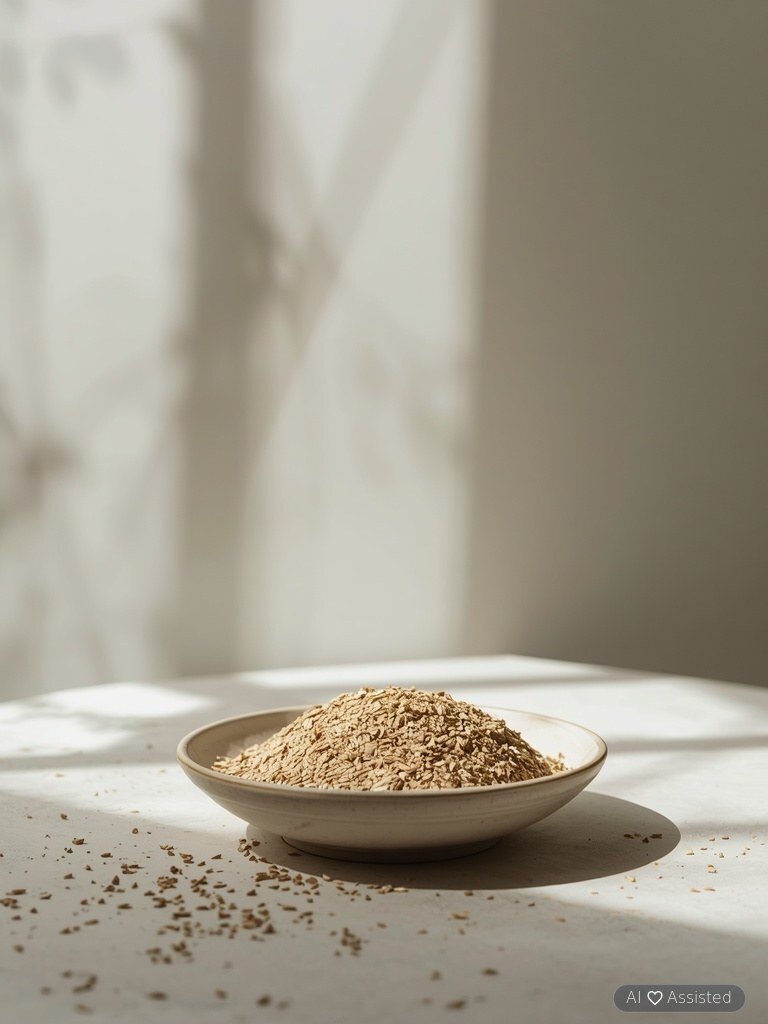
Spelt flakes are crafted from whole dehulled spelt kernels hydrothermally conditioned and rolled into flakes. Preserving both the nutrient-dense aleurone layer and cereal germ, they retain their full complement of micronutrients, phytosterols, and dietary fiber (8–10 g per 100 g). Flakes present a pleasing, subtly sweet and nutty palate, providing an energizing cornerstone for wholesome breakfasts.
Cardiometabolic and physiological virtues of regular spelt consumption
Regular inclusion of spelt flakes fosters cardiovascular wellness by modulating lipid profiles and stabilizing arterial blood pressure. Soluble fiber fractions attenuate postprandial glucose swings, preserving steady metabolic energy. Concurrently, iron and copper reserves support healthy erythropoiesis to avert nutritional anemia, while silica reinforces connective tissues, joint cartilages, and skin firmness.
Wholesome culinary recipes featuring spelt flakes
Creamy Spelt Porridge with Stewed Apples: Simmer 4 tablespoons of spelt flakes in 200 ml of milk or oat beverage for 3 minutes over low heat. In a small pan, warm sliced apples with Ceylon cinnamon and a teaspoon of raw honey; spoon over the warm porridge and garnish with crushed hazelnuts. Spelt flakes also serve as a hearty crust for artisan breads, homemade granola bars, and baked vegetable gratins.
Tags

mgr Max Müller
✓Diets Premium Expert
Diets Premium team expert. Specializes in nutrition plans, strength sports, and training plans.
View Profile →