Red Bell Pepper – Nutritional Composition, Bioactive Compounds, Caloric Profile, and Culinary Benefits

| Diets Premium Expert Alicja Kowalska | min read 2 min | Scientifically reviewed by a clinical dietitian 23.10.2026 |

Smart Voice
•Listen to the article content live
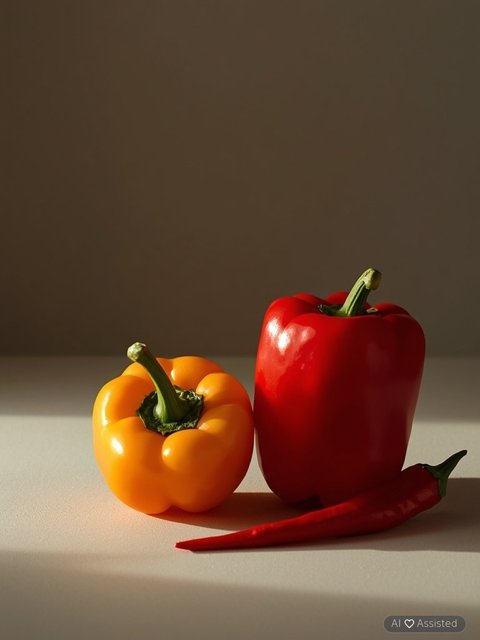
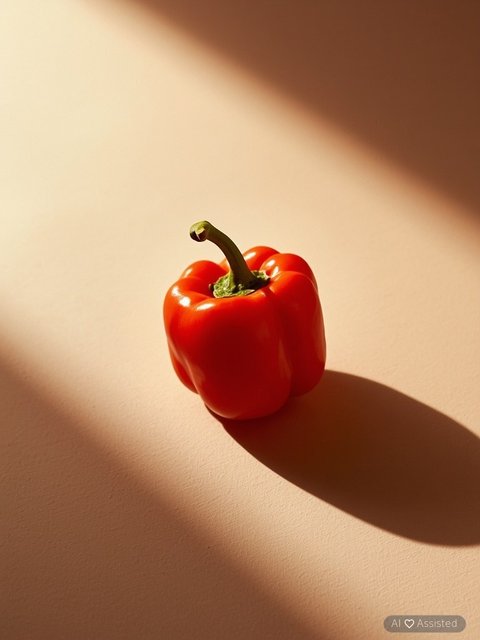
Sweet red bell pepper (Capsicum annuum L.) belongs to the nightshade family (Solanaceae) and is botanically classified as a thick-walled, multi-seeded berry. It attains its vibrant crimson hue at full physiological maturity through the intensive synthesis of specialized carotenoid pigments—most notably capsanthin, capsorubin, and beta-carotene. Unlike pungent chili varieties, sweet red bell pepper contains no capsaicin, yet stands out as one of the plant kingdom's richest reservoirs of vitamin C and cardioprotective polyphenols.
Want to apply these guidelines in your daily diet?
Our smart diet generator creates a tailored meal plan in 3 minutes based on the recommendations in this article.
Nutritional Properties of Red Bell Pepper – Vitamins, Minerals, and Antioxidants
Red bell pepper boasts the highest micronutrient density among all bell pepper colors because it remains on the vine until complete physiological ripeness, accumulating phytochemicals under sunlight. Just 100 g of raw red bell pepper delivers 140 to 190 mg of vitamin C, fulfilling nearly 200% of an adult's recommended daily intake and containing more than triple the ascorbic acid of citrus fruits. Vitamin C reinforces vascular endothelial integrity, drives endogenous collagen synthesis, bolsters innate and adaptive immunity, and markedly enhances non-heme iron absorption from plant-based meals.
Equally remarkable is its spectrum of carotenoids, flavonoids, and essential minerals:
- Capsanthin, beta-carotene, lutein, and zeaxanthin: Shield the retinal macula from photo-oxidative damage, support scotopic (night) vision, and quench singlet oxygen radicals.
- Bioflavonoids (quercetin and luteolin): Exert potent anti-inflammatory, neuroprotective, and anti-atherogenic effects by inhibiting the oxidative modification of LDL lipoproteins.
- Potassium (approx. 210 mg/100 g), vitamin E, and folate: Potassium regulates myocardial contractility and counteracts sodium-induced hypertension, supporting optimal cardiovascular function.
Caloric Value and Macronutrients – How Many Calories Does a Red Bell Pepper Have?
Red bell pepper is an exceptionally low-calorie vegetable. A 100 g edible portion provides only 25 to 31 kcal, meaning a whole medium-sized cored pod (weighing approximately 140 to 150 g) contributes roughly 38 to 45 kcal. Nearly 92% of its weight consists of water, while its macronutrient breakdown per 100 g comprises 4.6 to 6.0 g of total carbohydrates, 1.0 to 1.3 g of protein, and negligible lipid content (approx. 0.3 g, predominantly polyunsaturated fatty acids).
From a clinical metabolic standpoint, red bell pepper excels due to its dietary fiber content (approx. 2.0 to 2.1 g per 100 g) paired with a very low glycemic index (GI = 15). These structural fibers delay gastric emptying, enhance postprandial satiety, promote regular bowel motility, and blunt post-meal glycemic and insulinemic spikes. Consequently, red bell peppers can be consumed generously in weight-reduction regimens as well as in medical nutrition therapy for insulin resistance and type 1 or type 2 diabetes.
Culinary Applications of Red Bell Pepper and Thermal Nutrient Stability
Red bell pepper is one of the most versatile vegetables in culinary practice. Consumed raw—sliced into crisp salads, layered onto whole-grain sandwiches, folded into cottage cheese spreads, or served as crudités alongside hummus—it retains 100% of its heat-sensitive vitamin C and folate. Pairing raw bell pepper with a drizzle of extra virgin olive oil or avocado is highly recommended, as dietary lipids facilitate micellar solubilization and intestinal absorption of fat-soluble carotenoids (beta-carotene and capsanthin) and vitamin E.
When subjected to thermal processing (roasting, stewing, or grilling), ascorbic acid levels decline by roughly 25% to 40%, yet the breakdown of plant cell walls significantly increases the bioavailability of antioxidant carotenoids. Roasted or braised red bell peppers shine in Hungarian-style lecso, Mediterranean ratatouille, velvety roasted pepper soups, and Balkan ajvar spreads. Furthermore, removing the stem cap and seed core yields a sturdy edible vessel ideal for stuffing with lean poultry, lentils, buckwheat groats, or quinoa and baking until tender.
Tags

Alicja Kowalska
✓Diets Premium Expert
Diets Premium team expert. Specializes in nutrition plans, strength sports, and training plans.
View Profile →