PRO
CLINICAL KNOWLEDGE MAGAZINE
6 min read
Practical Christmas Tips

Olivia Davis
✓
Diets Premium Medical Expert • 25.09.2026
✓
Scientifically reviewed by a clinical dietitian:
This article has been peer-reviewed for adherence to IŻŻ, WHO, and PTGiP clinical nutritional standards.
| CLINICAL KNOWLEDGE MAGAZINE CLINICAL KNOWLEDGE MAGAZINE | min read 6 min |
| Diets Premium Medical Expert Olivia Davis | Scientifically reviewed by a clinical dietitian 25.09.2026 |

Smart Voice
•Listen to the article content live
0:00
/
0:00
Key Takeaways
Christmas dishes are enticing with their aroma, flavor, and appearance, and it has been known for a long time that eating begins with the eyes. Moreover, socializing in pleasant company encourages the consumption of more food. Polish cuisine is considered to be heavy, and Christmas dinner can provide a large portion of calories. As a result, maintaining a healthy weight during the holiday season can be a challenge for some. But is Christmas a time when fear and guilt should appear after each bite of your favorite holiday dishes? Here are practical tips for Christmas.
Meal Plan
Want to apply these guidelines in your daily diet?
Our smart diet generator creates a tailored meal plan in 3 minutes based on the recommendations in this article.
PRO Content
PRO
This article is professional premium content (PRO) provided in its entirety.
Practical guidelines for preparing festive dishes in a healthier, low-fat version – culinary recommendations
When assembling a festive menu, it is advisable to opt for lower-calorie alternatives that not only preserve the traditional flavors of holiday dishes but also enhance their nutritional value. For instance, in a vegetable salad, classic mayonnaise can be substituted with Greek or natural yogurt—this modification reduces fat content without compromising taste. Fish such as herring, served with a yogurt-based sauce instead of sour cream, becomes lighter and easier to digest. Rather than deep-frying carp, it can be baked in aluminum foil with lemon and fresh dill, a method that retains moisture while minimizing unhealthy fats. When preparing pierogi, replacing a portion of white wheat flour with whole-grain flour will darken the dough slightly but significantly boost its nutritional profile. The traditional butter-fried onion topping for pierogi, though customary, is an unnecessary source of fat and is best omitted. In baking, sugar can be replaced with erythritol, a zero-calorie sweetener, while wheat flour can be substituted with whole-grain or oat flour derived from ground oats. Marine fish rich in omega-3 fatty acids, such as salmon or cod, are particularly beneficial for cardiovascular and immune system health. Steaming or baking is preferable to frying, as these methods retain flavor while reducing fat. Marinated and then baked meats (e.g., chicken, turkey, pork tenderloin) served with mustard or horseradish offer a healthier alternative to processed deli meats. Careful portion planning is also essential—excessive food leads to waste or overeating, neither of which is beneficial. While some dishes can be frozen, the ideal approach is to prepare just enough to enjoy the holidays with family without worrying about leftovers.
Essential nutritional guidelines for the Christmas period and holidays: How to avoid overeating while maintaining balance
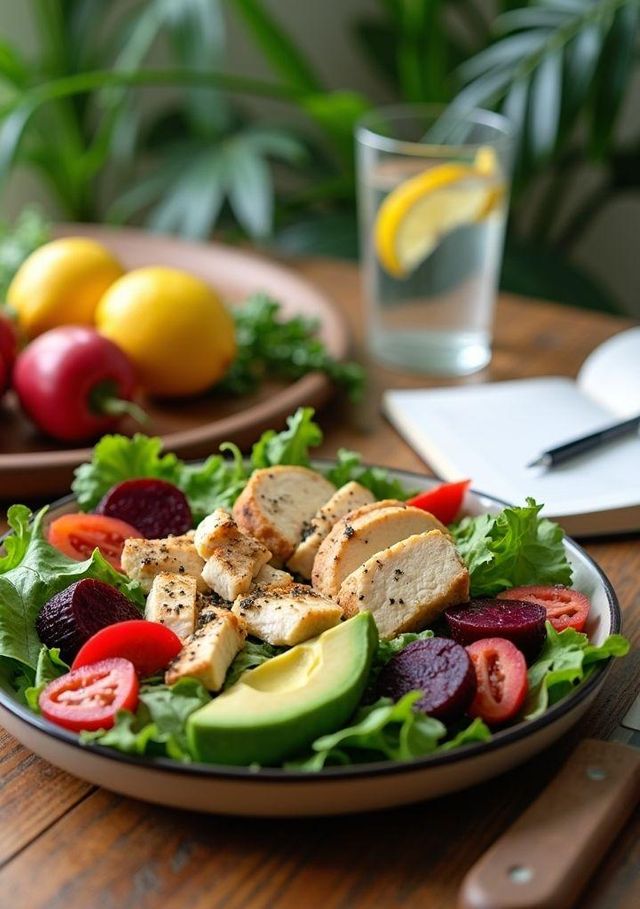
During the holiday season, just as on any other day, adhering to a structured meal schedule is essential for maintaining metabolic balance. The first meal should be consumed no later than one hour after waking, while the last should be eaten two to three hours before bedtime. Optimal intervals between meals—ranging from three to four hours—help prevent both sudden hunger pangs and the risk of overeating. Particular attention should be paid to Christmas Eve; it is crucial to avoid fasting before the festive dinner, which traditionally commences with the sighting of the first star in the sky. Throughout the day, two or three balanced meals are recommended, such as a nutrient-dense breakfast like an omelet or scrambled eggs, which provide lasting satiety. Later in the day, lighter options such as a vegetable salad or a fruit smoothie can be enjoyed. During the Christmas Eve dinner itself, it is advisable to serve dishes in stages: first, sample an initial portion of favorite foods, then—after assessing one’s level of fullness—decide whether to take more. A strategic approach involves distributing holiday treats across multiple days—for example, a slice of apple pie today, cheesecake tomorrow, and poppy seed roll the day after—to avoid overwhelming the body in a single sitting. Vegetables should not be overlooked; they are a low-calorie yet filling and nutrient-rich addition to the table, available in various forms: fresh, fermented, boiled, or roasted. Fruits should also feature prominently in holiday meals; instead of another slice of cake, opting for a juicy tangerine or orange provides valuable nutrients without excessive calories.
Optimal beverage choices for holiday gatherings: A guide to balanced hydration and mindful consumption
The holiday season presents an opportune moment to prioritize proper hydration, with pure water remaining the cornerstone of fluid intake—just as on any other day. To enhance its appeal, consider infusing it with fresh citrus segments such as grapefruit, lime, or clementine wedges, which simultaneously provide a vitamin boost. For those seeking variety, fragrant herbal or black teas enriched with warming spices—cloves, ginger, or even a pinch of cayenne—offer both digestive support and a festive sensory experience. Beyond water and tea, holiday menus frequently feature coffee and alcoholic beverages, the latter of which, while culturally embedded, carry risks: dehydration, appetite stimulation, and empty calorie consumption. Should alcohol be included, dry red or white wine emerges as the most favorable option, containing roughly 100 kcal per 150 ml serving. Diluting it with sparkling mineral water and ice not only prolongs enjoyment but also mitigates dehydrating effects. Whether opting for a glass of wine, a measure of whisky, or traditional vodka, the overarching principle remains moderation and an awareness of alcohol’s physiological impact.
The Art of Moderation: How to Avoid Overeating During Feasts While Maintaining Digestive Comfort
Maintaining a consistent meal schedule and intentionally incorporating intervals between eating sessions is of paramount importance. Prolonged seated positioning at the dining table while continuously replenishing one’s plate is strongly discouraged. When the digestive system becomes overwhelmed by an excessive volume of food consumed within a short timeframe, its functional capacity diminishes, leading to adverse outcomes: gastrointestinal disturbances, acute abdominal pain, spasmodic contractions of smooth intestinal musculature, and an overall sense of physical discomfort. Meticulous mastication of each mouthful within the oral cavity is equally essential—mechanical breakdown of food facilitates subsequent enzymatic digestion. It is critical to recognize that satiety signals transmitted from gastric receptors to the hypothalamic centers may require 15–20 minutes to register; thus, deliberate, unhurried eating enables the avoidance of overeating before symptomatic overload manifests. Physical activity assumes a pivotal role in this context: even a brief festive walk stimulates intestinal peristalsis, accelerates metabolic processes, and assists in balancing energy expenditure. Engaging in domestic tasks such as table setting or tidying up serves as a viable alternative—any form of movement enhances well-being and mitigates food stagnation within the gastrointestinal tract. During periods of heightened consumption, each step taken carries therapeutic value.
Essential nutritional and lifestyle guidelines for the holiday season: enjoying celebrations without discomfort or overeating
Adhering to balanced nutritional principles during the holidays helps avoid digestive discomfort and maintain well-being. Here are ten key recommendations: **1.** Maintain a consistent meal schedule with 9–14-hour intervals between eating windows to support metabolic efficiency. **2.** Serve dishes sequentially or in modest portions to facilitate better portion control and prevent overeating. **3.** Consume meals at a leisurely pace, thoroughly chewing each bite to enhance digestion and promote satiety. **4.** Ensure your plate includes a variety of vegetables and fruits, as they provide essential vitamins, fiber, and contribute to a healthy gut microbiome. **5.** Prioritize cooking methods such as steaming, baking, or braising over deep-frying to reduce unnecessary fat intake. **6.** Practice assertiveness: if you feel full, politely decline additional servings, even when offered with good intentions by hosts. **7.** Stay adequately hydrated by drinking plain water or herbal teas, avoiding sugary beverages that can disrupt metabolic balance. **8.** Minimize alcohol consumption; if you choose to drink, opt for red wine in moderation due to its polyphenol content. **9.** Do not neglect physical activity—a brief holiday walk outdoors improves circulation and aids digestion. **10.** Foster a positive and relaxed atmosphere during family gatherings to reduce stress and fully enjoy the company of loved ones. Remember that individual dietary preferences vary—adapt these guidelines to your personal needs to ensure the holidays are both enjoyable and comfortable. Even if eating habits deviate from routine for three days, long-term patterns matter more than isolated indulgences. A healthy diet is the cumulative result of many choices, not a single meal.
Olivia Davis
Diets Premium Medical Expert
Member of the Diets Premium clinical editorial board. Specializes in medical diet therapy, metabolic health, and nutritional planning.
View Profile →