5 min read
Post-cholecystectomy diet – essential guidelines, permitted and restricted foods, consequences

Felix Weber
✓
Diets Premium Expert • 24.09.2026
✓
Scientifically reviewed by a clinical dietitian:
This article has been peer-reviewed for adherence to IŻŻ, WHO, and PTGiP clinical nutritional standards.
| Diets Premium Expert Felix Weber | min read 5 min | Scientifically reviewed by a clinical dietitian 24.09.2026 |
Smart Voice
•Listen to the article content live
0:00
/
0:00
Key Takeaways
The gallbladder stores bile produced by the liver, which contains cholesterol, bile acids, and lecithin in balanced proportions. Bile facilitates fat digestion, aiding energy metabolism. Following gallbladder removal, excess bile cannot be stored, necessitating a diet that is easily digestible and low in fat.
Meal Plan
Want to apply these guidelines in your daily diet?
Our smart diet generator creates a tailored meal plan in 3 minutes based on the recommendations in this article.
Surgical procedure and physiological background
Cholecystectomy is commonly performed due to conditions such as cholelithiasis (gallstones). The procedure involves laparoscopic removal of the gallbladder through three small incisions in the abdominal cavity. Because it is a minimally invasive procedure, patients typically return home within two to three days. Due to the absence of the organ that stores excess bile, adopting a low-fat, easily digestible diet is essential.
General rules of the post-operative diet
The diet for the first five days post-procedure varies in meal consistency. In the following days, specific recommendations should be followed to ensure an adequate supply of energy, minerals, and vitamins while preventing malnutrition. Meals should be small, numbering about 5 to 6 times a day, consumed every 2 to 3 hours. Recommended culinary techniques include steaming, boiling, and baking without added fat, while frying and grilling must be strictly avoided. Dietary fat intake should be minimized and evenly distributed.
Recommended and restricted products
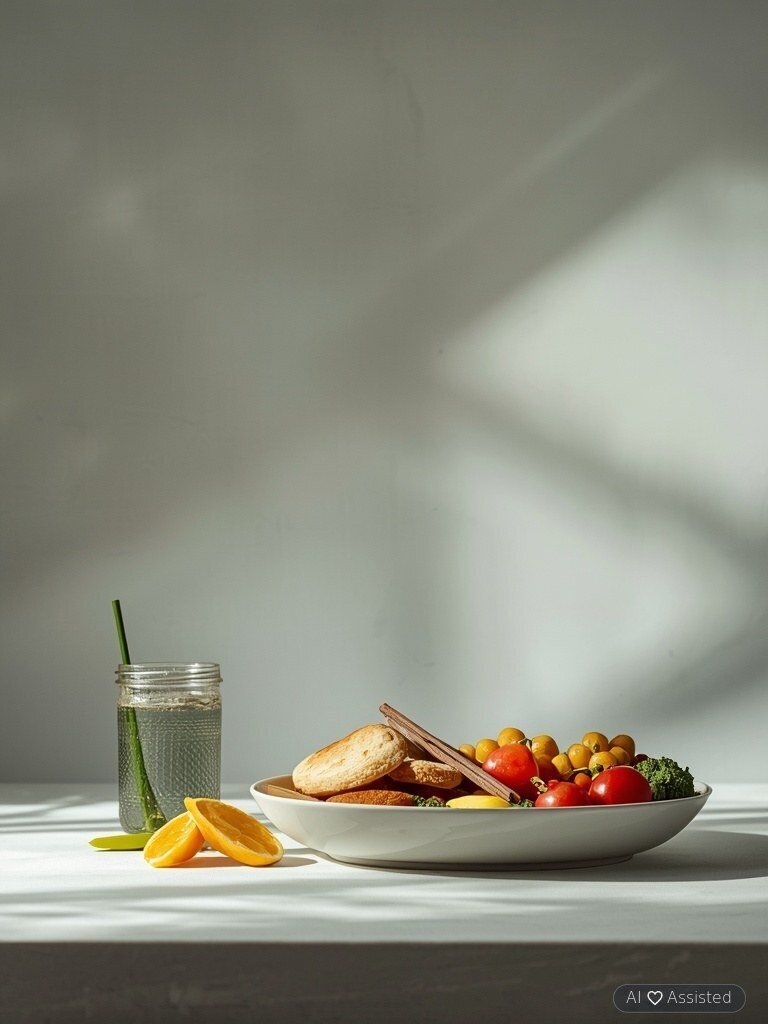
Recommended products include skinless poultry (turkey, chicken), lean fish (cod, trout, zander), low-fat dairy up to 2% fat, white bread, refined pasta, white rice, fine groats, cooked soft vegetables, and mild herbs. Restricted products include fatty meats (pork, duck, goose), offal, fatty fish, high-fat dairy above 3% fat, fresh whole grain bread, raw cruciferous vegetables, legumes, onions, spicy seasonings, alcohol, strong coffee, and high-fat sweets.
Expected effects of the dietary adjustment
Strict adherence to a light, fat-restricted diet supports post-operative recovery and minimizes digestive issues such as bloating, nausea, or diarrhea. By reducing the strain on the biliary system, the metabolism gradually adapts to the new physiological conditions, facilitating a safe return to a normal, balanced diet in the long term.
Duration and gradual progression of the diet
The post-cholecystectomy diet progresses in stages over the first few days. Day 1 consists of a liquid diet with mild teas and vegetable broths. Day 2 introduces enhanced liquids with light rice gruels. Day 3 includes mild vegetable soups with pasta, rice, and lean meat. Day 4 incorporates blended foods. From Day 5, a strict low-fat, easily digestible diet is maintained for about a month, followed by a gradual return to normal healthy eating habits.

mgr Felix Weber
✓Diets Premium Expert
Diets Premium team expert. Specializes in nutrition plans, strength sports, and training plans.
View Profile →