CLINICAL KNOWLEDGE MAGAZINE
3 min read
Plant Sterols – Action, Occurrence, and Application

Emilia Szymańska
✓
Diets Premium Medical Expert • 25.09.2026
✓
Scientifically reviewed by a clinical dietitian:
This article has been peer-reviewed for adherence to IŻŻ, WHO, and PTGiP clinical nutritional standards.
| CLINICAL KNOWLEDGE MAGAZINE CLINICAL KNOWLEDGE MAGAZINE | min read 3 min |
| Diets Premium Medical Expert Emilia Szymańska | Scientifically reviewed by a clinical dietitian 25.09.2026 |

Smart Voice
•Listen to the article content live
0:00
/
0:00
Key Takeaways
Plant sterols, due to their health advantages, are desired in human nutrition. Initially, they served as medicines, later as dietary supplements, and now they are added to foodstuffs and increasingly utilized in the cosmetic sector.
Meal Plan
Want to apply these guidelines in your daily diet?
Our smart diet generator creates a tailored meal plan in 3 minutes based on the recommendations in this article.
Plant-derived sterol compounds: Phytosterols, phytostanols, and their membrane-integrated analogues in cellular physiology
Phytosterols—commonly referred to as plant sterols—constitute a category of organic compounds that serve a structural and functional role in plant cells analogous to that of cholesterol in animal systems, acting as indispensable constituents of lipid bilayer membranes. Their biosynthesis occurs exclusively within plant tissues, where they become integrated into the phospholipid matrix, thereby altering the physicochemical properties of the membranes: most notably, they reduce permeability to small molecules while conferring stability to the surface-layer fluidity dynamics. Chemically, phytosterols exhibit substantial structural homology to cholesterol but are distinguished by the presence of additional alkyl side-chain substitutions and variations in the spatial configuration of the sterol ring system. Within this compound class, two primary subclasses are recognized: **sterols** (e.g., β-sitosterol, campesterol) and **stanols** (e.g., sitostanol), alongside their esterified derivatives—either naturally occurring or industrially modified conjugates with fatty acids.
Biological activity of phytosterols: mechanisms of action and applications in health prevention and cosmetics
Groundbreaking scientific investigations conducted in the early 1950s demonstrated that these compounds effectively lower both total cholesterol and low-density lipoprotein (LDL) fractions in blood plasma. Since these initial findings, phytosterols have been systematically incorporated into preventive strategies against coronary artery disease and hypercholesterolemia. Notably, plant sterols—when combined with tocopherol (vitamin E) and ascorbic acid (vitamin C)—exhibit the capacity to inhibit platelet aggregation, a mechanism that further correlates with reductions in adverse lipid profiles. Current estimates indicate that the average daily human intake of these compounds ranges from 160 to 400 milligrams for sterols and 20 to 50 milligrams for stanols. Regrettably, such quantities prove insufficient to achieve clinically meaningful reductions in cholesterol levels. Optimal therapeutic outcomes are observed with supplemental doses of 1 to 3 grams of sterols or stanols per day; exceeding this upper threshold, however, does not yield additional metabolic benefits. Consistent daily consumption of approximately 2 grams of these substances has been shown to reduce LDL cholesterol concentrations by an average of 10%. Furthermore, phytosterols possess robust antioxidant properties. In recent years, there has been growing interest in their application within cosmetic formulations due to their multifaceted beneficial effects on skin health: they stimulate the biosynthesis of type I and III collagen, mitigate elastin degradation, provide intensive hydration, smooth fine expression lines, demonstrate anti-inflammatory, antibacterial, and antifungal activities, accelerate epidermal regeneration processes, and alleviate cutaneous irritation symptoms.
Natural occurrence and applications of phytosterols in food and cosmetic formulations
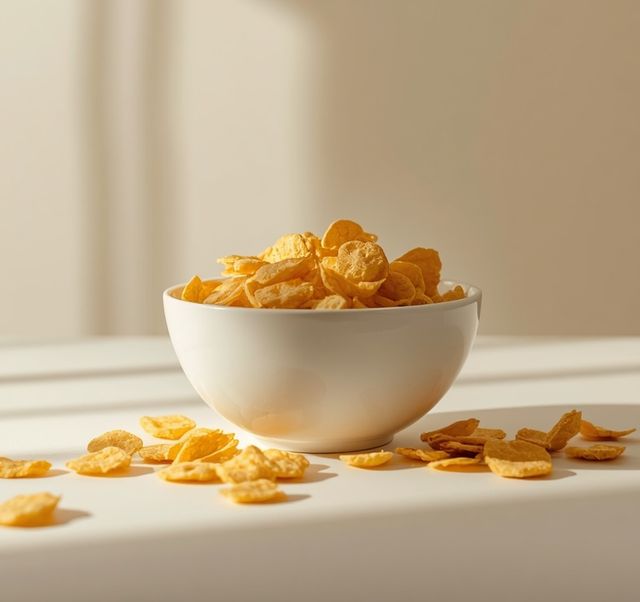
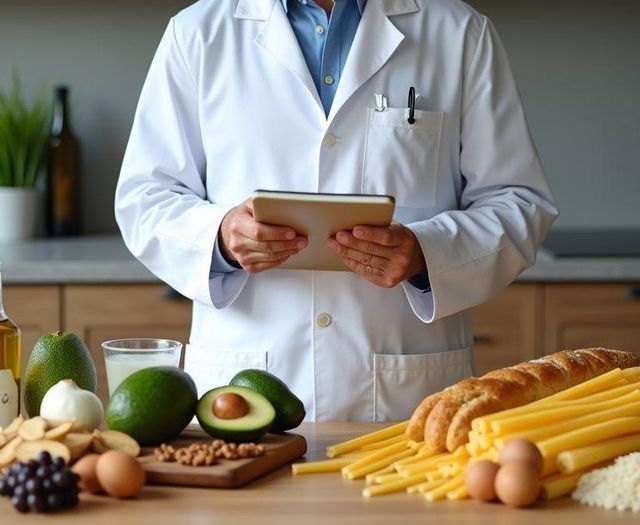
Phytosterols—plant-derived compounds structurally analogous to cholesterol—are found in trace amounts across a diverse spectrum of natural food sources, including cold-pressed vegetable oils (such as corn germ oil, sesame seed oil, sunflower oil, and extra-virgin olive oil), whole-grain cereal products, rice bran, sunflower seeds, sesame seeds, peanuts, walnuts, hazelnuts, and almonds, as well as leguminous plants, root vegetables, and various fruits. Beyond their inherent presence in these foods, the modern food industry now systematically fortifies a wide array of products with supplemental phytosterols and phytostanols. The pioneering product in this category was a functionally enhanced margarine. Currently, supermarket shelves offer an extensive selection of fortified items, encompassing functional margarines and spreadable fat blends, probiotic dairy beverages and yogurt varieties, low-fat mayonnaise alternatives, aged hard cheeses, processed cheese spreads, reformulated meat products, reduced-sugar confectionery, crispy breakfast cereals, preservative-free fruit juices, and premium dark chocolate. In strict compliance with guidelines issued by the European Food Safety Authority (EFSA) and national regulatory bodies, all phytosterol-fortified products must bear clear, unambiguous labeling that specifies both the type and precise quantity of these compounds. Moreover, phytosterols are increasingly harnessed by the cosmetic industry as bioactive ingredients in restorative skincare formulations—particularly in moisture-retaining anti-aging creams designed to repair the epidermal lipid barrier, as well as in nutrient-dense facial masks enriched with antioxidant complexes.
Potential hazards associated with excessive phytosterol consumption – a comprehensive risk and contraindication assessment
Excessive intake of phytosterols, particularly at doses exceeding three grams per day, may lead to adverse health effects, including the reduction of critical antioxidant levels such as carotenoids, lycopene, and vitamin E within the body. Given that children exhibit significantly higher absorption rates of these compounds compared to adults, products fortified with plant sterols are strongly discouraged—and even contraindicated—for children and adolescents during puberty, a developmental stage characterized by elevated cholesterol requirements as a structural component. Unregulated consumption of such products within these age groups may result in deficiencies of fat-soluble vitamins and disturbances in lipid metabolism. Nevertheless, when consumed in moderation, phytosterols—whether naturally occurring in foods or added to functional products—demonstrate beneficial effects on overall health, primarily by lowering total cholesterol and LDL cholesterol levels, thereby contributing to a reduced risk of cardiovascular diseases. Additionally, they exhibit antioxidant properties and extend their applications beyond the food industry, including cosmetics, where they aid in skin regeneration and condition improvement.
Tags
Emilia Szymańska
Diets Premium Medical Expert
Member of the Diets Premium clinical editorial board. Specializes in medical diet therapy, metabolic health, and nutritional planning.
View Profile →