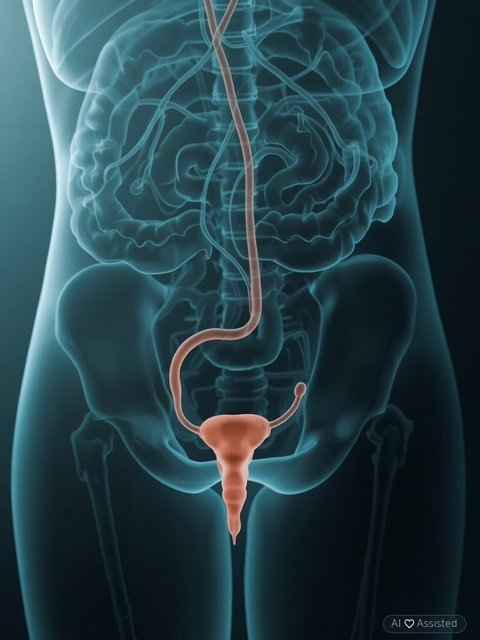
Peptic Ulcer Diet – Meal Plan and Recipes

| Diets Premium Expert Isabella Taylor | min read 5 min | Scientifically reviewed by a clinical dietitian 23.10.2026 |
Smart Voice
•Listen to the article content live
Want to apply these guidelines in your daily diet?
Our smart diet generator creates a tailored meal plan in 3 minutes based on the recommendations in this article.
Peptic Ulcer Diet Fundamentals: What Helps and What Harms?
A well-planned and varied diet is undoubtedly an important factor in the pharmacological treatment of peptic ulcer disease, as it aims to alleviate pain and promote healing. Here are 11 practical tips for those struggling with peptic ulcers:
- Eat Meals in a Calm Environment: Consume your meals in a calm, friendly atmosphere, without rushing and without swallowing large bites.
- Ensure Meal Variety: Pay attention to the diversity of your meals.
- Regular, Small Meals: Eat 5–6 small meals regularly at fixed times, with the last meal consumed no later than 2 hours before bedtime.
- Adequate High-Quality Protein: Ensure your diet includes sufficient high-quality animal protein (approx. 1 g/kg body weight). Lean meats (veal, rabbit, chicken, turkey), fish (cod, trout, pike-perch), sweet milk and its products, and soft-boiled eggs are excellent sources.
- Control Fat Intake: Fats in the peptic ulcer diet should not provide more than 30% of its energy value. Excess fat can delay gastric emptying, which often causes dyspeptic symptoms.
- Choose Good Fats: Include good quality fats (butter, vegetable oils, high-quality soft margarines) in your daily menu, due to their inhibitory effect on gastric secretion. Also remember products rich in essential unsaturated fatty acids (EFA), especially polyunsaturated omega-3 fatty acids. Excellent sources are marine and freshwater fish; vegetable oils: olive oil, flaxseed oil; flaxseed.
- Avoid Stimulating Products: Eliminate from your diet: fried, fat-baked dishes; strong meat or bone broths; broths from strongly aromatic vegetables and mushrooms; sauces prepared with roux; natural coffee, strong tea, cocoa, and carbonated drinks; smoked and marinated products (meat, fish); alcoholic beverages.
- Avoid Thermal Irritation: Avoid thermal irritation of the diseased gastric and duodenal mucosa. Both excessively hot and excessively cold foods irritate the gastric mucosa.
- Avoid Mechanical Irritation: Avoid mechanical irritation of the gastric mucosa by excluding products providing a large amount of dietary fiber (wholemeal bread, coarse groats, raw vegetables and fruits, legumes) from your diet. Fiber sources should be young, delicate vegetables, ripe fruits, delicate wheat bread, fine groats (semolina, corn, broken buckwheat, broken barley).
- Prepare Vegetables and Fruits: Vegetables and fruits should be consumed cooked, as well as in the form of purees, mashes, juices, or nectars.
- Limit Salt and Spicy Seasonings: Limit the consumption of table salt and spicy seasonings (vinegar, black pepper, hot paprika, chili, curry). Prepared dishes can be enriched with mild seasonings (vanilla, cinnamon, lemon juice, dill, parsley, caraway), dried or fresh herbs.
- Hydration: Do not forget to hydrate your body. Avoid natural coffee, strong tea, and carbonated drinks with countless additives. Instead, choose still mineral water, weak black tea infusion, fruit teas, cereal coffee with milk, chamomile, plantain, green tea, and ground flaxseed.
- Observe Your Body's Reactions: Observe your body's reactions to individual products. Only eliminate poorly tolerated foods if symptoms worsen. Remember, however, that any elimination diet can lead to deficiencies, and in this situation, appropriately selected supplementation seems justified. Once the symptoms subside, you can return to a normal diet.
Sample Meal Plan for Peptic Ulcer Diet
The meal plan for a person with peptic ulcers should be prepared individually, taking into account dietary habits and excluding poorly tolerated products and dishes. Here is an example of a daily menu:
Breakfast:
- Omelette with banana puree
- Chamomile tea
Second Breakfast:
- Wheat bread with butter (1 slice)
- Poultry loin
- Green lettuce
- Tomato without skin
- Ground flaxseed (1 glass)
Lunch:
- Pumpkin cream soup
- Rice balls with dill
- Turkey meatballs in a delicate dill sauce with cream
- Salad of cooked beetroot
Afternoon Snack:
- Baked apple
- Still mineral water
Dinner:
- Wheat bread (2 slices)
- Natural homogenized cheese with apricot jam
- Weak tea with a teaspoon of honey
Note: The temperature of the beverage should not exceed 40 °C.
Recipes for Peptic Ulcer Diet
Culinary art in peptic ulcer disease should involve the application of appropriate culinary techniques allowed in an easily digestible diet (steaming or boiling in water; pureeing, blending, baking in aluminum foil, sleeve, or parchment paper, adding fat to dishes after preparation), excluding frying, grilling, and traditional baking with added fat.
Fish for dinner?
Fish, due to the presence of polyunsaturated fatty acids, should also find a place in the daily menu of a peptic ulcer patient. However, in this case, lean fish such as cod, flounder, trout, and sole are recommended. A suggestion for using this valuable “brain food” is provided below.
Recipe for Baked Cod
Ingredients:
- 1 fillet of fresh cod
- A pinch of salt
- 1 tablespoon of olive oil
- Dill
Preparation:
- Pat the fillet dry, place it on aluminum foil.
- Then sprinkle with salt, drizzle with lemon juice, pour olive oil over it, and sprinkle with dill.
- Carefully wrap in aluminum foil, then set aside in the refrigerator for about an hour.
- Bake the fish in the oven at 180°C for 20 minutes.
- Serve with potato and carrot puree.
Perhaps something sweet?
Unfortunately, in the peptic ulcer diet, cream cakes, tortes, puff pastry, and chocolate are out. However, everyone wants to sweeten life, for example, by including a healthy alternative in their diet.
Recipe for Rice Balls with Apple Puree
Ingredients:
- ½ cup white rice
- 2 apples
- 1 teaspoon butter
- Cinnamon
Preparation:
- Wash the apples under running water, then peel, grate on a large grater, and then mash with a little water.
- Season the whole with a pinch of cinnamon.
- Cook the rice according to the manufacturer's instructions on the package.
- Mix the warm rice with butter and form small balls.
- Fill the entire plate with apple puree, place 3 rice balls in the center.
- Serve warm.
Apple puree can be replaced with banana or apricot puree with a pinch of vanilla.
Key Considerations and Conclusion for Peptic Ulcer Diet
The peptic ulcer diet is an essential component of the holistic treatment of stomach and duodenal ulcers. Although pharmacotherapy plays the primary role, an adapted diet can significantly alleviate symptoms and support the healing process. It is crucial to observe individual tolerances and adjust the diet gradually.
In summary:
- Individual Adjustment: Each patient reacts differently to certain foods. Careful observation of one's own body reactions is essential to find an optimal diet.
- Lifestyle Factors: In addition to diet, other lifestyle factors also play an important role. Avoiding smoking, excessive alcohol consumption, and stress, as well as consciously managing medications that can damage the gastric mucosa (e.g., NSAIDs), are crucial for treatment success.
- Regular Consultation: Regular consultation with a doctor or nutritionist is advisable to adjust the meal plan to the current health status and avoid potential nutrient deficiencies.
- Patience and Consistency: Healing peptic ulcers requires patience and consistency in adhering to the diet and pharmacological therapy.
Peptic ulcer disease of the stomach or duodenum is one of the most common diseases of the digestive tract and remains a problem in modern medicine. Although pharmacotherapy takes precedence in the treatment of this condition, proper nutrition and avoiding risk factors (smoking, alcohol, stress, mucosal-damaging drugs – NSAIDs) undeniably play an important role.

Isabella Taylor
✓Diets Premium Expert
Diets Premium team expert. Specializes in nutrition plans, strength sports, and training plans.
View Profile →