Optimize Cellular Hydration Through Whole Grains: Oats, Rice, and Millet

| Diets Premium Expert Kacper Nowak | min read 1 min | Scientifically reviewed by a clinical dietitian 23.10.2026 |
Smart Voice
•Listen to the article content live
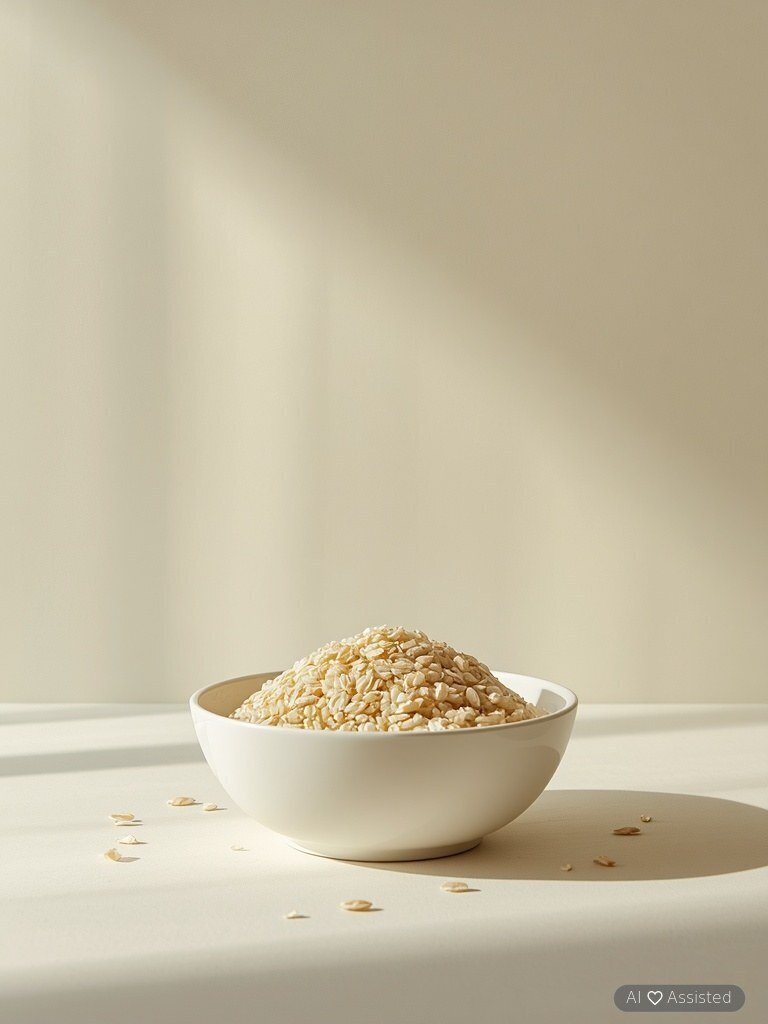
Cellular hydration is fundamentally more nuanced than simply drinking copious volumes of plain spring water. For water to effectively penetrate intracellular compartments rather than being prematurely excreted by the kidneys, electrolyte cotransporters and gel-forming soluble fibers are required. Oats, rice, and millet serve as extraordinary dietary matrices for sustained tissue hydration.
Want to apply these guidelines in your daily diet?
Our smart diet generator creates a tailored meal plan in 3 minutes based on the recommendations in this article.
Physiology of Cellular Hydration and Limitations of Pure Water
Consuming large volumes of demineralized water in a rapid timeframe dilutes plasma osmolarity. The endocrine system responds by downregulating antidiuretic hormone (ADH), prompting the kidneys to excrete water alongside critical electrolytes such as sodium, potassium, and magnesium. In severe scenarios, this induces acute dilutional hyponatremia.
True cellular hydration depends on the retention of fluids within intracellular spaces. This requires a stable osmotic gradient and organic carrier matrices that gradually release bound water molecules in the intestinal lumen, permitting physiologic absorption without overwhelming renal clearance.
Oat Beta-Glucans and Structured Water in Gel Matrices
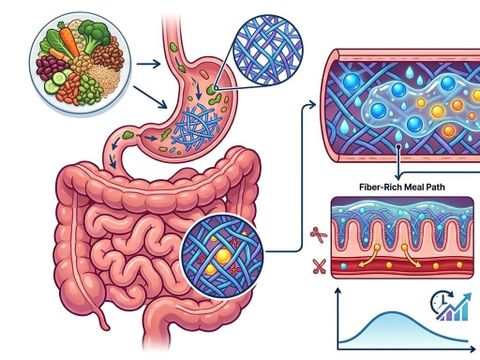
Oats are exceptionally rich in beta-glucan, a soluble dietary fiber with unique hydrophilic properties. When cooked, beta-glucan polymers hydrate and expand, forming a viscous hydrocolloid gel. Water trapped within this matrix adopts structured physicochemical properties, bound to polysaccharide chains.
This gel matrix traverses the gastrointestinal tract at a measured pace. Fluid is steadily released and absorbed throughout both the small intestine and colon as microbiota ferment the fiber into short-chain fatty acids, supplying the body with a sustained hydration reservoir for hours post-ingestion.
Rice and Millet as Natural Rehydration Solutions (SGLT-1 Cotransport)
Fluid uptake across intestinal enterocytes is driven primarily by the sodium-glucose cotransporter 1 (SGLT-1). For each glucose molecule and two sodium ions transported across the apical membrane, hundreds of water molecules are drawn into the systemic circulation by osmotic draw. This exact physiologic mechanism underpinned the World Health Organization’s (WHO) renowned rice-based oral rehydration solutions.
Millet, derived from Panicum miliaceum, provides bioavailable silica, potassium, and magnesium with mild alkalizing metabolic properties. Combining easily digestible starches from rice or millet with trace minerals and gentle broths creates a superior isotonic food matrix that outperforms synthetic commercial sports drinks in physiological bioavailability.
Practical Recipes for Deeply Hydrating Carbohydrate Meals
To optimize the hydrating capacity of grains, specific culinary preparations should be applied. Overnight oats soaked in herbal infusions or kefir combined with chia seeds absorb up to ten times their weight in water, yielding an ideal pre-workout hydration breakfast for hot climates.
Another clinically valuable dish is savory millet vegetable broth and Asian-style rice congee—rice simmered gently for hours in lean vegetable or bone broth with fresh ginger. These dishes are premier nutritional therapies for clinical dehydration, recovery from gastrointestinal illness, and endurance athletic repletion.

Kacper Nowak
✓Diets Premium Expert
Diets Premium team expert. Specializes in nutrition plans, strength sports, and training plans.
View Profile →