Olive oil – biochemical composition and nutritional properties

| CLINICAL KNOWLEDGE MAGAZINE CLINICAL KNOWLEDGE MAGAZINE | min read 3 min |
| Diets Premium Medical Expert Emilia Szymańska | Scientifically reviewed by a clinical dietitian 24.09.2026 |

Smart Voice
•Listen to the article content live
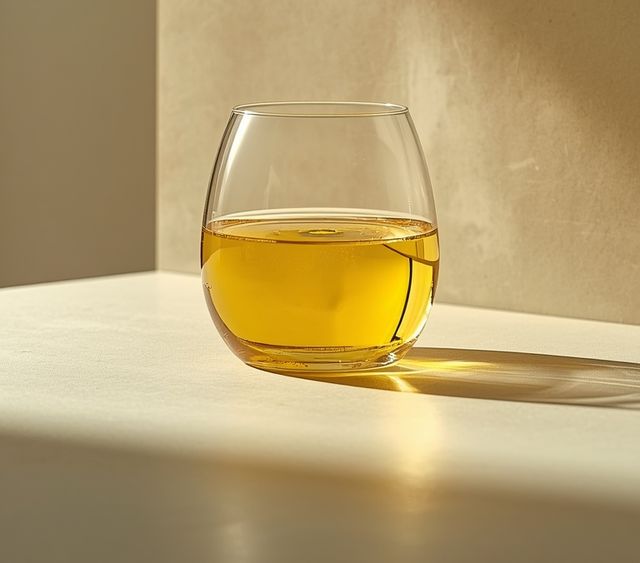
Olive oil is composed of approximately 98 percent triacylglycerides—glycerol esters bonded to fatty acids—by volume. The remaining 2 percent consists of minor lipid-derived compounds, including phospholipids, phenolic antioxidants, chlorophyll pigments, and carotenoids such as beta-carotene. These trace constituents are responsible for the oil’s distinctive sensory profile, contributing to its aroma, flavor complexity, and documented health-promoting attributes. In terms of fatty acid distribution, olive oil is notably rich in monounsaturated oleic acid (C18:1), which constitutes between 56 and 83 percent of its total fatty acid content. Conversely, the polyunsaturated alpha-linolenic acid (n-3) is present in relatively low concentrations. The oil further contains meaningful quantities of linoleic acid (n-6, 3.5–20%), palmitic acid (C16:0, 7.5–20%), and stearic acid (C18:0, 0.5–5.0%), positioning it as a nutritionally diverse lipid source within the human diet.
Want to apply these guidelines in your daily diet?
Our smart diet generator creates a tailored meal plan in 3 minutes based on the recommendations in this article.
Nutritional biochemistry of olive oil – fatty acids and polyphenols
Extra virgin olive oil (EVOO) represents the gold standard of nutritional lipids. It is characterized by an exceptionally high concentration of monounsaturated oleic acid (omega-9, representing 65–83% of total fatty acids), moderate levels of palmitic acid (7.5–20%), and minor fractions of saturated stearic acid (0.5–5.0%) and essential polyunsaturated linoleic acid (3.5–20%). Crucially, EVOO contains rare phenolic compounds including oleocanthal (which shares pharmacological anti-inflammatory properties with ibuprofen), oleuropein, and hydroxytyrosol. These compounds act as potent radical scavengers, shielding cellular lipids and neural tissues from age-related neurodegenerative decline.
Energetic density and caloric profile of olive oil
As a 100% pure plant lipid matrix, olive oil possesses a high energetic density: 100 grams yield exactly 884 kcal. In dietary practice, portion monitoring is straightforward: one standard culinary tablespoon (10–12 grams) supplies approximately 88–105 kcal, whereas a teaspoon (5 grams) provides roughly 44 kcal. It contains zero carbohydrates, proteins, or dietary fiber. Despite this high caloric concentration, extensive epidemiological studies demonstrate that regular consumption of 2 to 3 tablespoons of extra virgin olive oil daily does not promote weight gain; instead, by triggering postprandial cholecystokinin (CCK) secretion, it prolongs satiety, optimizes insulin sensitivity, and provides robust cardiovascular protection.
Gastronomic and dermatological applications
In gastronomy, high-quality extra virgin olive oil serves as the culinary soul of the Mediterranean diet. Thanks to its moderate smoke point (around 190–210°C) and high oxidative stability derived from monounsaturated fats and polyphenols, it is suitable for gentle sautéing as well as raw cold dressings. In cosmetology, pure olive oil is employed as a nourishing emollient for adult dry skin, hair conditioning masks, and cuticle restoration, shielding mature epidermal barriers from dehydration.
Tags
Emilia Szymańska
Diets Premium Medical Expert
Member of the Diets Premium clinical editorial board. Specializes in medical diet therapy, metabolic health, and nutritional planning.
View Profile →