3 min read
Nutritional approach for managing ankylosing spondylitis

Oliwia Kaczmarek
✓
Diets Premium Expert • 23.10.2026
✓
Scientifically reviewed by a clinical dietitian:
This article has been peer-reviewed for adherence to IŻŻ, WHO, and PTGiP clinical nutritional standards.
| Diets Premium Expert Oliwia Kaczmarek | min read 3 min | Scientifically reviewed by a clinical dietitian 23.10.2026 |

Smart Voice
•Listen to the article content live
0:00
/
0:00
Key Takeaways
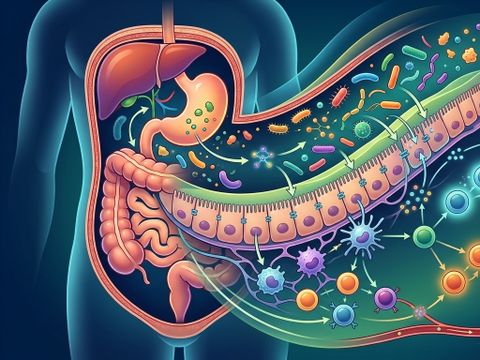
Chronic inflammatory conditions such as ankylosing spondylitis significantly impair patient mobility and quality of life. Beyond pharmacological interventions, targeted nutritional therapy is increasingly recognized as a powerful adjunct to help modulate systemic inflammation and support long-term well-being.
Meal Plan
Want to apply these guidelines in your daily diet?
Our smart diet generator creates a tailored meal plan in 3 minutes based on the recommendations in this article.
Pathophysiology and clinical presentation of ankylosing spondylitis
Ankylosing spondylitis (AS) is a chronic inflammatory rheumatic disease primarily affecting the axial skeleton, including the sacroiliac joints and the spine. Initial symptoms typically manifest in early adulthood, characterized by inflammatory back pain that worsens with rest and during the night. In advanced stages, progressive bone formation can lead to complete spinal fusion and restricted mobility.
The role of omega-3 fatty acids and the omega-6 ratio
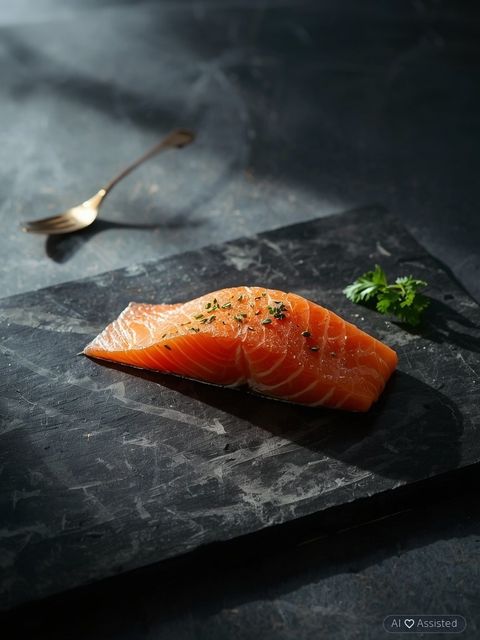
A fundamental dietary strategy in rheumatic diseases is optimizing fatty acid intake. Omega-3 fatty acids (EPA and DHA) exert potent anti-inflammatory effects by displacing arachidonic acid in cell membranes. Achieving an optimal dietary ratio of omega-6 to omega-3 fatty acids, ideally below 5:1, helps reduce systemic inflammatory markers.
Antioxidants and plant-based compounds in the dietary plan
Oxidative stress exacerbates joint damage and pain in inflammatory conditions. A diet rich in polyphenols, vitamins C and E, and phytochemicals—found in berries, leafy greens, turmeric, and ginger—protects connective tissues and provides adjunctive support to medical treatment.
Foods to avoid and pro-inflammatory triggers
Certain foods can trigger or worsen inflammatory processes in the body. These include ultra-processed foods, trans fats, refined sugars, and excessive intake of omega-6 rich oils such as corn and sunflower oil. Red meat should also be consumed in moderation to prevent symptom aggravation.
Practical implementation and holistic lifestyle in AS
Alongside nutrition, regular physical therapy exercises, maintaining a healthy body weight to reduce joint load, and ensuring adequate vitamin D status are paramount. An interdisciplinary approach combining tailored movement and a wholesome diet maximizes patient quality of life.

Oliwia Kaczmarek
✓Diets Premium Expert
Diets Premium team expert. Specializes in nutrition plans, strength sports, and training plans.
View Profile →