CLINICAL KNOWLEDGE MAGAZINE
1 min read
Method of consuming and shedding weight simultaneously!

Tim Klein
✓
Diets Premium Medical Expert • 24.09.2026
✓
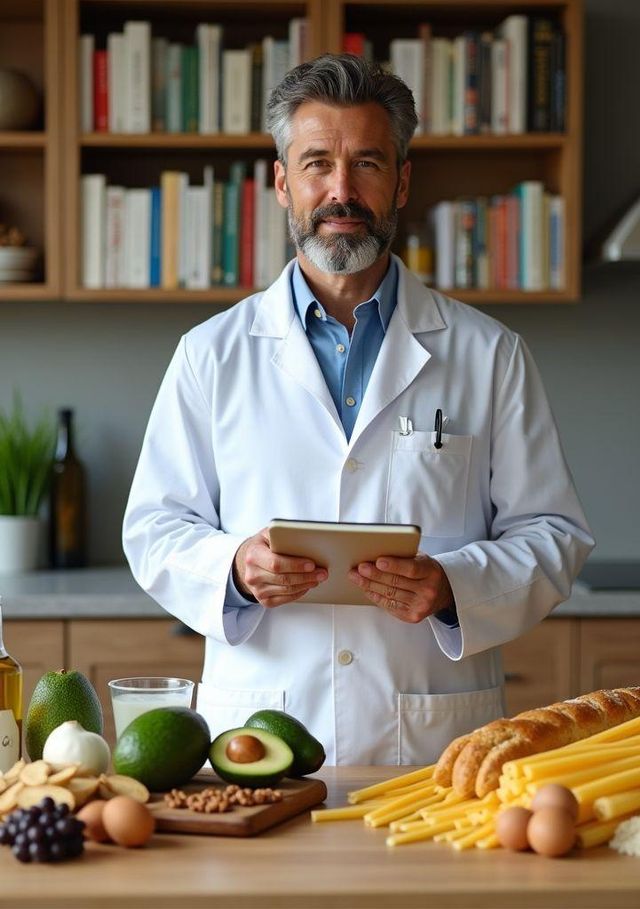
Scientifically reviewed by a clinical dietitian:
This article has been peer-reviewed for adherence to IŻŻ, WHO, and PTGiP clinical nutritional standards.
| CLINICAL KNOWLEDGE MAGAZINE CLINICAL KNOWLEDGE MAGAZINE | min read 1 min |
| Diets Premium Medical Expert Tim Klein | Scientifically reviewed by a clinical dietitian 24.09.2026 |

Smart Voice
•Listen to the article content live
0:00
/
0:00
Key Takeaways
It seems that everyone relishes in their culinary delights... unfortunately, many of our gastronomic pleasures have a detrimental effect on our physique... not only inducing feelings of guilt, but also additional pounds... is it possible to consume without limitations and shed weight? Indeed, it is possible!
Meal Plan
Want to apply these guidelines in your daily diet?
Our smart diet generator creates a tailored meal plan in 3 minutes based on the recommendations in this article.
How to eat deliciously and effectively shed excess weight without starvation: the science behind negative-calorie foods
This represents an evidence-based approach rather than the empty promises of fad diets, which frequently result in an unhealthy cycle of weight loss followed by regain. The key to achieving a sustainable, healthy physique does not lie in extreme caloric restriction but in the mindful selection of foods that naturally support the weight-loss process. The goal is to provide the body with complete nutritional requirements while maintaining an energy deficit. There exists a category of food items whose digestion and processing by the body demand more calories than they inherently contain—these are known as negative-calorie foods. By incorporating them into one’s diet, it becomes possible to consume meals while simultaneously burning fat, offering a straightforward yet effective mechanism for achieving a caloric deficit without experiencing hunger.
Energy Density and Satiety: The Volumetric Approach to Sustainable Weight Loss
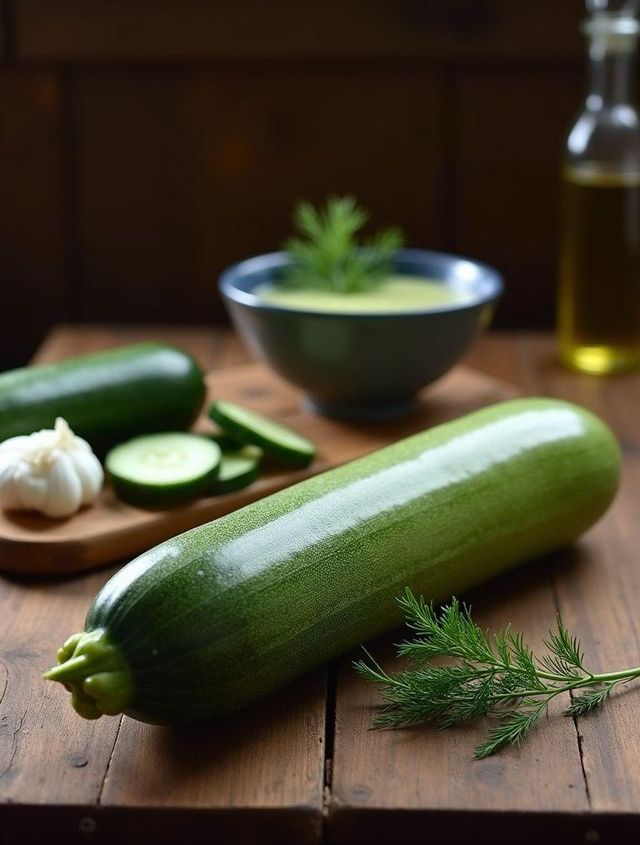
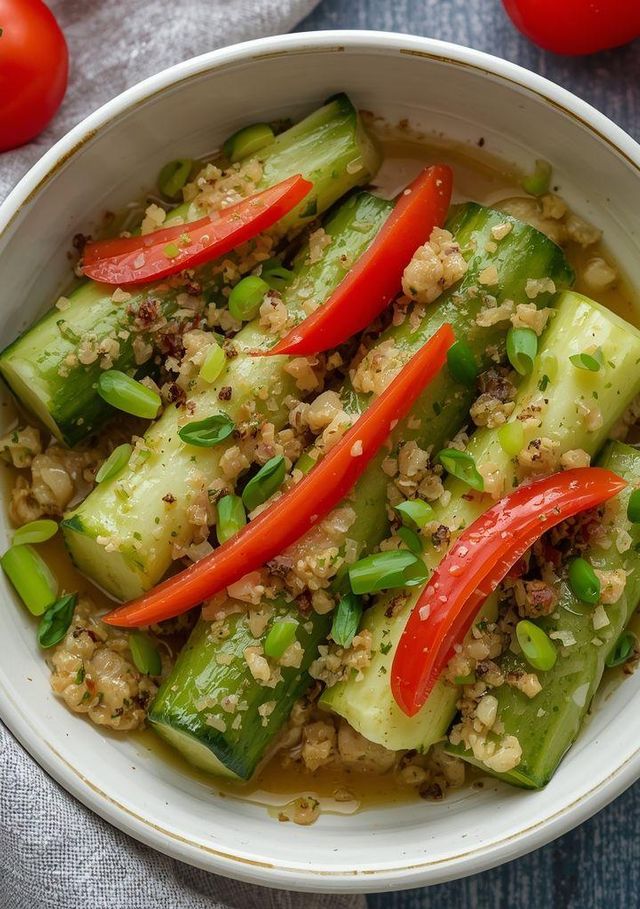
The bedrock of sustainable fat loss without debilitating feelings of hunger lies in the concept of dietary energy density, pioneered by Dr. Barbara Rolls in the volumetrics approach. The human gastrointestinal tract does not count calories; rather, it responds to the physical volume and mass of consumed food. Mechanoreceptors embedded in the gastric wall detect tension and stretch, relaying satiation signals via the vagus nerve to the hypothalamus while suppressing the release of ghrelin, the primary hunger hormone. Foods possessing low energy density—characterized by high water and dietary fiber content, such as zucchini, cucumbers, tomatoes, broccoli, cabbage, and fresh berries—allow individuals to consume substantial plate volumes for minimal caloric cost (often under 30 to 50 kcal per 100 grams). Incorporating generous portions of these nutrient-dense vegetables into every meal provides immense psychological satisfaction and prolonged physiological satiety while effortlessly maintaining an energy deficit.
Thermic Effect of Food (TEF) and the Critical Role of Dietary Protein in Metabolic Rate
The genuine physiological phenomenon underpinning the concept of 'burning calories through eating' is diet-induced thermogenesis, clinically known as the Thermic Effect of Food (TEF). TEF reflects the energetic cost mandatory for digesting, absorbing, and assimilating nutrients. While dietary fats demand merely 0% to 3% of their caloric yield for processing and carbohydrates consume 5% to 10%, high-quality dietary protein requires an astounding 20% to 30% of its caloric value simply to be metabolized. In practical terms, for every 100 kcal ingested from lean poultry, wild fish, tofu, egg whites, or legumes, the human body expends 20 to 30 kcal purely on digestive biochemistry. Furthermore, amino acids powerfully stimulate the secretion of gut satiety hormones—including peptide YY (PYY), GLP-1, and cholecystokinin (CCK)—while preserving metabolically active lean muscle mass and stabilizing postprandial glycemic excursions.
The Practical Plate Model and Sustainable Habits: Structuring Meals Without Counting Calories
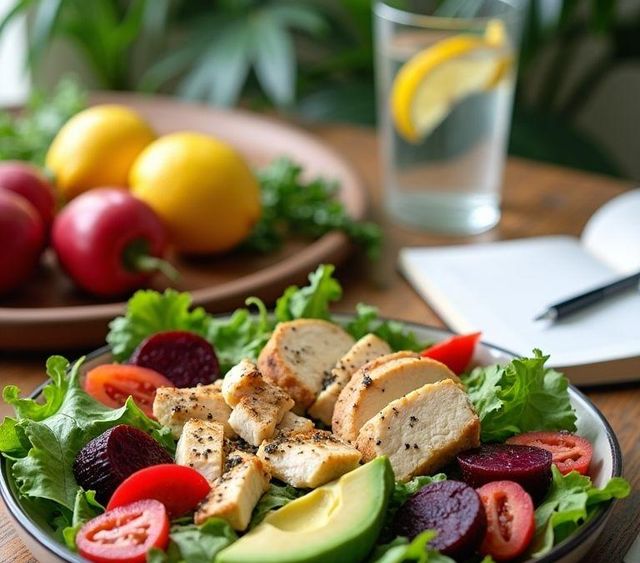
To transform body recomposition into a seamless, sustainable lifestyle rather than an exhausting phase, adopting the evidence-based Healthy Eating Plate model developed by the Harvard School of Public Health is remarkably effective. Half of the plate (50%) should consistently consist of non-starchy vegetables and leafy greens—served raw, steamed, or roasted with minimal oil. One quarter (25%) is reserved for lean, high-biological-value protein (fish, poultry, legumes, eggs, tempeh), while the final quarter (25%) comprises complex, high-fiber carbohydrates with a low glycemic index (buckwheat, quinoa, wild rice, steel-cut oats). Another essential habit is drinking a glass of water approximately 20 minutes prior to dining and practicing mindful, unhurried chewing, as neurohormonal satiety signaling requires 15 to 20 minutes to reach the brain. This intuitive architecture ensures stable daily vitality, healthy gastrointestinal transit, and effortless fat loss without the psychological burden of obsessive calorie tracking.
Tim Klein
Diets Premium Medical Expert
Member of the Diets Premium clinical editorial board. Specializes in medical diet therapy, metabolic health, and nutritional planning.
View Profile →