3 min read

Low-sodium salt versus traditional salt

Laura Schneider
Laura Schneider ✓
Diets Premium Expert • 24.09.2026
✓
Scientifically reviewed by a clinical dietitian: This article has been peer-reviewed for adherence to IŻŻ, WHO, and PTGiP clinical nutritional standards.
Diets Premium Expert Laura Schneider min read 3 min Scientifically reviewed by a clinical dietitian 24.09.2026
Low-sodium salt versus traditional salt

Smart Voice

•

Listen to the article content live

0:00 / 0:00
Key Takeaways
According to the recommendations of the European Society of Hypertension and the World Health Organization (WHO), daily consumption of cooking salt should not exceed 5 g per day, which corresponds to a flat spoon. However, most Poles consume more than this, even up to three times the recommended amount! One possible solution that can help reduce the intake of added salt in dishes and meals is low-sodium salt.. But what exactly is it and how does it differ from traditional cooking salt?
Meal Plan

Want to apply these guidelines in your daily diet?

Our smart diet generator creates a tailored meal plan in 3 minutes based on the recommendations in this article.

Compositional and functional profile of hydrogen-minimized dietary salt: a structural and nutritional assessment

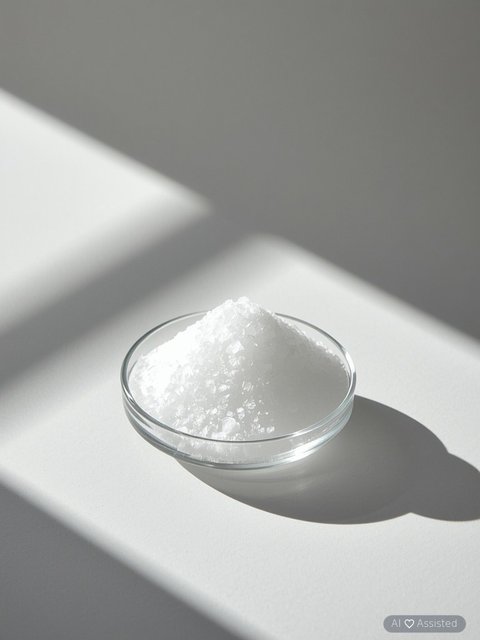
Conventional table salt, chemically identified as sodium chloride (NaCl), constitutes a uniform crystalline compound devoid of supplementary nutritional components. In contrast, **low-sodium salt formulations** embody a multicomponent system wherein sodium chloride is complemented by strategically incorporated mineral compounds. The principal additives include: **potassium chloride (KCl)**, which serves as a sodium substitute and contributes to blood pressure regulation; **magnesium carbonate (MgCO₃)**, which supports neuromuscular and enzymatic functions; and **potassium iodide (KI)**, an essential trace element for thyroid hormone synthesis. This modified composition not only mitigates daily sodium intake—a well-documented risk factor for hypertension and cardiovascular diseases—but also addresses prevalent micronutrient deficiencies in contemporary diets, particularly **potassium insufficiency**, whose optimal levels are linked to improved metabolic health outcomes.

When to use reduced-sodium salt: Key indications and precautions

Sodium plays a pivotal role in maintaining physiological equilibrium within the human body, influencing electrolyte balance, neuronal signal transmission, and osmotic pressure regulation across cellular membranes. In conjunction with potassium, it governs fluid homeostasis; however, excessive dietary intake leads to pathological fluid retention, thereby predisposing individuals to hypertension as well as cardiovascular and renal pathologies. The resultant expansion of circulating blood volume dilutes essential nutrients and oxygen dissolved within the plasma, compelling the cardiac muscle to increase its contractile output to sustain adequate tissue perfusion. Individuals diagnosed with arterial hypertension, chronic kidney disease, or those at elevated genetic risk must exercise heightened vigilance regarding sodium consumption, as impaired renal function compromises the body’s ability to excrete excess fluids efficiently. Particularly hazardous is the coexistence of high sodium intake with potassium deficiency, which further disrupts electrolyte equilibrium. Conversely, in geriatric populations—where physiological total body water content is diminished—moderate fluid retention may confer protective benefits by mitigating the risk of hyponatremia. Sodium deficiency in this demographic can precipitate severe complications, including syncope, cognitive impairment, and life-threatening hypotensive episodes, underscoring the necessity for tailored dietary management.

Reduced-sodium salt: health benefits and potential limitations in dietary applications

A comprehensive analysis of the advantages and limitations associated with reduced-sodium salt consumption. Beyond sodium chloride, this product provides essential trace elements—including potassium, magnesium, and iodine—which play pivotal roles in regulating numerous physiological functions. However, its flavor profile differs from that of conventional table salt, exhibiting a less pronounced saltiness that may inadvertently encourage excessive use. Notably, reduced-sodium salt demonstrates preventive benefits against cardiovascular conditions, particularly hypertension and renal diseases. It is important to acknowledge that its distinctive, occasionally bitter aftertaste may not appeal to all consumers. This salt variant represents a particularly advantageous option for individuals managing hypertension, circulatory disorders, or kidney dysfunction. Unfortunately, its market availability remains limited compared to traditional salt, with prices per kilogram typically ranging between 12 and 30 złoty. Consistent use contributes to lowered sodium intake, a critical factor in preventing various chronic diseases. Caution is advised, as excessive consumption of potassium-based salts may pose health risks, especially for elderly individuals or those with impaired renal function. Additionally, this product exhibits weaker preservative properties than conventional table salt. Prior to purchase, careful examination of the label is recommended—the optimal composition should not exceed 50–70% sodium chloride, with the remainder consisting of alternative compounds such as sodium citrate, magnesium carbonate, potassium iodide, or potassium chloride.

Laura Schneider

Laura Schneider

✓

Diets Premium Expert

Diets Premium team expert. Specializes in nutrition plans, strength sports, and training plans.

View Profile →
Recommended articles in this category

Related Articles

Discover similar publications and expert insights.

Nutritive component containing sodium chloride
Sodium Intake And Health
Nutritive component containing sodium chloride
⏱ 2 min czytania
#Sodium Intake And Health #Sodium And Health
The 10 Most Surprising and Extreme Dishes
Traditional Dishes
The 10 Most Surprising and Extreme Dishes
⏱ 6 min czytania
#Traditional Dishes #Traditional
Norwegian cuisine: Arctic culinary heritage, coastal bounty, and authentic recipes
Natural Ingredients
Norwegian cuisine: Arctic culinary heritage, coastal bounty, and authentic recipes
⏱ 4 min czytania
#Natural Ingredients #Traditional Dishes
Are potatoes genuinely high in calories? Let's determine how many calories they hold.
Traditional Dishes
Are potatoes genuinely high in calories? Let's determine how many calories they hold.
⏱ 6 min czytania
#Traditional Dishes #Traditional
Therapeutic properties and applications of argan oil in natural medicine and dermatological care
Culinary Traditions
Therapeutic properties and applications of argan oil in natural medicine and dermatological care
⏱ 4 min czytania
#Culinary Traditions #Traditional Dishes
Mushrooms – Their Benefits, Drawbacks, and Valuable Components
Traditional Cuisine
Mushrooms – Their Benefits, Drawbacks, and Valuable Components
⏱ 4 min czytania
#Traditional Cuisine #Traditional Polish Dishes
Qualitative and Comparative Analysis of Store-Bought Pierogi Ruskie: Nutritional Evaluation and Consumer Guide
Traditional Polish Dishes
Qualitative and Comparative Analysis of Store-Bought Pierogi Ruskie: Nutritional Evaluation and Consumer Guide
⏱ 7 min czytania
#Traditional Polish Dishes #Traditional Dishes
The composition and effects of glucomannan, along with perspectives on glucomannan
Health Benefits
The composition and effects of glucomannan, along with perspectives on glucomannan
⏱ 4 min czytania
#Health Benefits #Traditional Dishes
Soy sauce – light, dark, ingredients, price, calorie content, recipes... Does soy sauce contribute to health?
Traditional Ingredients
Soy sauce – light, dark, ingredients, price, calorie content, recipes... Does soy sauce contribute to health?
⏱ 7 min czytania
#Traditional Ingredients #Traditional Cuisine
Traditional Irish gastronomy: cultural heritage, defining terroir, iconic national dishes, authentic libations, and classic recipes
Recipes & Cooking
Traditional Irish gastronomy: cultural heritage, defining terroir, iconic national dishes, authentic libations, and classic recipes
⏱ 5 min czytania 📚 Recipes & Cooking
#Regional Specialties #Traditional Beverages
Procedures to Reduce Salt Consumption in Food
Health Consequences
Procedures to Reduce Salt Consumption in Food
⏱ 7 min czytania
#Health Consequences #Salt Consumption
Sodium Glutamate – Properties, Occurrence, Possible Negative Effects
Health Consequences
Sodium Glutamate – Properties, Occurrence, Possible Negative Effects
⏱ 3 min czytania
#Health Consequences #Sodium And Health
„Where Is Salt Found in Food? Salt Consumption Guidelines”
Salt Consumption
„Where Is Salt Found in Food? Salt Consumption Guidelines”
⏱ 4 min czytania
#Salt Consumption
Himalayan salt - properties and application of a healthier alternative to cooking salt
Health Benefits Of Water
Himalayan salt - properties and application of a healthier alternative to cooking salt
⏱ 2 min czytania
#Health Benefits Of Water #Himalayan Salt Benefits
Hyponatremia – identifying and addressing sodium insufficiency in the body: symptoms, underlying causes, and evidence-based repletion methods
Sodium In Processed Meats
Hyponatremia – identifying and addressing sodium insufficiency in the body: symptoms, underlying causes, and evidence-based repletion methods
⏱ 3 min czytania
#Sodium In Processed Meats #Processed Foods
Hypokalemia: clinical manifestations, etiologic factors, health repercussions and reference ranges for serum potassium
Cardiovascular Health Risks
Hypokalemia: clinical manifestations, etiologic factors, health repercussions and reference ranges for serum potassium
⏱ 4 min czytania
#Cardiovascular Health Risks #Blood Pressure Regulation
Fermented cabbage and marinated cabbage – Differences and characteristics
Health
Fermented cabbage and marinated cabbage – Differences and characteristics
⏱ 3 min czytania 📚 Health
#Constipation #Fermented
Investigating the Properties and Uses of Goji Berries – These Exceptional Fruits
Nutrition
Investigating the Properties and Uses of Goji Berries – These Exceptional Fruits
⏱ 3 min czytania 📚 Nutrition
#Berries #Traditional
Sweet Potatoes: Characteristics, Nutrients and Glycemic Index
Sweet Potatoes
Sweet Potatoes: Characteristics, Nutrients and Glycemic Index
⏱ 3 min czytania
#Sweet Potatoes #Sweet
Polish White Borscht (Barszcz Biały) – Calories, Nutrition, and Traditional Recipe. How It Differs from Żurek
Traditional
Polish White Borscht (Barszcz Biały) – Calories, Nutrition, and Traditional Recipe. How It Differs from Żurek
⏱ 3 min czytania
#Traditional #Chickpea
GAC – Characteristics and Uses of the Gourd Family Fruit
Seeds
GAC – Characteristics and Uses of the Gourd Family Fruit
⏱ 3 min czytania
#Seeds #Tropical
Koji – Characteristics, Production, and Applications of Fermented Rice
Steamed Rice
Koji – Characteristics, Production, and Applications of Fermented Rice
⏱ 4 min czytania
#Steamed Rice #Fermented
The purpose of Rue is its medicinal properties and use
Herb
The purpose of Rue is its medicinal properties and use
⏱ 3 min czytania
#Herb #Traditional
Inka Grain Coffee – Ingredients, Health Benefits, Pros and Cons
Health Benefits
Inka Grain Coffee – Ingredients, Health Benefits, Pros and Cons
⏱ 4 min czytania
#Health Benefits #Traditional
5 Reasons Why You Should Replace Conventional Potatoes with Sweet Potatoes
Health
5 Reasons Why You Should Replace Conventional Potatoes with Sweet Potatoes
⏱ 1 min czytania 📚 Health
#Sweet Potatoes #Potatoes
Properties and Uses of Alternatives for Traditional Potatoes
Sweet Potatoes
Properties and Uses of Alternatives for Traditional Potatoes
⏱ 5 min czytania
#Sweet Potatoes #Obesity
Vegetarianism in children's diet - benefits and hazards
Vegetarian
Vegetarianism in children's diet - benefits and hazards
⏱ 5 min czytania 📚 Vegetarian
#Vegetarianism #Vegetarian
Meat alternatives: how to replace classic meat products in your diet
Meat Alternatives
Meat alternatives: how to replace classic meat products in your diet
⏱ 4 min czytania
#Meat Alternatives #Meat Consumption
Bromelain – Properties, Side Effects, Opinions and Prices
Traditional
Bromelain – Properties, Side Effects, Opinions and Prices
⏱ 4 min czytania
#Traditional #Pineapple
Xylitol, the Birch Sugar - Facts You Were Hitherto Unaware Of!
Sweetener
Xylitol, the Birch Sugar - Facts You Were Hitherto Unaware Of!
⏱ 3 min czytania
#Sweetener #Traditional

Share