3 min read

Is it really the effect of legumes? How to avoid them?

Felix Weber
Felix Weber ✓
Diets Premium Expert • 18.03.2026
✓
Scientifically reviewed by a clinical dietitian: This article has been peer-reviewed for adherence to IŻŻ, WHO, and PTGiP clinical nutritional standards.
Diets Premium Expert Felix Weber min read 3 min Scientifically reviewed by a clinical dietitian 18.03.2026
Is it really the effect of legumes? How to avoid them?

Smart Voice

•

Listen to the article content live

0:00 / 0:00
Key Takeaways
Legume plants have been known and enjoyed for millennia. One of them, the soybean, due to its high protein content and unsaturated fatty acids, has been called a sacred plant in Asian countries. Unfortunately, legume consumption is limited by the occurrence of various antinutritional substances and inappropriate culinary processing, which makes these products the cause of unpleasant symptoms and cannot be consumed in large quantities [1].
Meal Plan

Want to apply these guidelines in your daily diet?

Our smart diet generator creates a tailored meal plan in 3 minutes based on the recommendations in this article.

Pulse-bearing plants

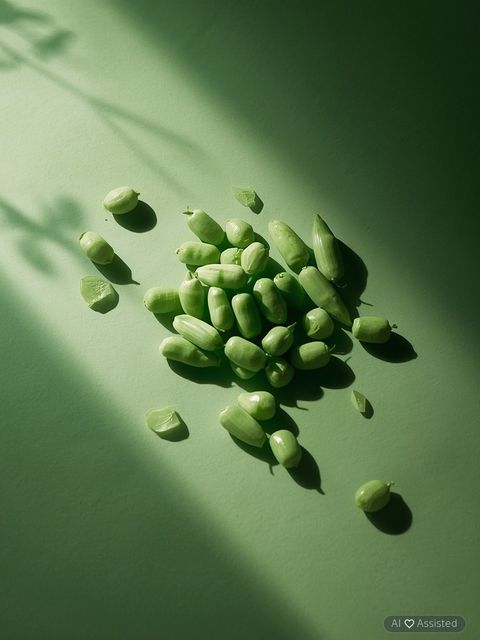
Kidney beans, peas, soybeans, broad beans, lentils, and chickpeas (Italian peas) are annual plants belonging to the legume family (Fabaceae). The fruits are pods containing seeds, which are consumed in dried form (whole or broken down) and are a valuable food item in the diet of a healthy person [1]. The characteristic feature of legumes is their high nutritional and energy value. In addition, they are the largest source of plant protein (20-35%) among all cultivated plants. Legumes are a valuable group from a nutritional point of view, as they provide not only protein (see table 1), but also minerals (iron, magnesium, potassium, calcium, zinc), biologically active substances, vitamins (mainly from the B group: B1, B2, PP), and essential for digestion dietary fiber fractions. Due to their significant protein content, legumes are an ideal product for vegetarians or vegans, as they perfectly replace meat and fish protein. It is worth knowing that legume seeds have an alkalizing effect, as they balance the acidifying effect of meat, eggs, and cereal products. According to current recommendations, meat dishes should be replaced with legume dishes once or twice a week [3]. Table 1. Protein content in selected legume seeds. Dried legume seeds Protein content [%]: edible peas 21.2 beans 25.1 lentils 32.0 soybeans 35.1.

Why Does Gas and Bloating Occur After Eating Legumes?

Improper preparation of legume-based meals and their combination with hard-to-digest foods are the primary reasons for bloating and gas. Proper culinary techniques help reduce fermentable sugars while preserving the valuable nutrients found in legume seeds.

How to avoid bloating and gas after eating legumes

In culinary practices, there are two effective methods for reducing anti-nutritive and gas-producing compounds in legumes. The first method involves pouring hot water over dry seeds and soaking them for three hours. Alternatively, the seeds can be soaked in cold water for twelve hours. In both cases, it is crucial to discard the soaking water and cook the legumes in fresh water without covering the pot for at least twenty minutes. This approach helps prevent unpleasant symptoms such as bloating and excessive gas. Salt should be added only at the end of the cooking process, as early salting prolongs the cooking time. Additionally, spices and herbs like caraway, marjoram, thyme, basil, dill, mint, and garlic can help reduce bloating. It is important to note that legumes are not limited to traditional dishes like pea soup or French bean stew but are excellent ingredients for spreads, vegetable pastes, cutlets, and soups. Proper preparation makes legumes an ideal choice for vegetarians and anyone prioritizing a healthy diet.

mgr Felix Weber

mgr Felix Weber

✓

Diets Premium Expert

Diets Premium team expert. Specializes in nutrition plans, strength sports, and training plans.

View Profile →
Recommended articles in this category

Related Articles

Discover similar publications and expert insights.

Chickpea Flour (Besan) – Nutritional Value, Plant Protein, Culinary Uses, and Tested Recipes
Food Science
Chickpea Flour (Besan) – Nutritional Value, Plant Protein, Culinary Uses, and Tested Recipes
⏱ 5 min czytania 📚 Food Science
#Gluten-free Alternatives #Nutritional Properties
Dairy-free plant-derived beverage alternatives – Coconut, almond, rice, and spelt-based options
Food Allergies
Dairy-free plant-derived beverage alternatives – Coconut, almond, rice, and spelt-based options
⏱ 4 min czytania
#Food Allergies #Lactose Intolerance
The Effect of Green Tea… Green Tea for Hair
Nutrition
The Effect of Green Tea… Green Tea for Hair
⏱ 3 min czytania 📚 Nutrition
#Asian #Beverage
What is diabetic retinopathy? Indications of diabetic retinopathy
Type 2 Diabetes
What is diabetic retinopathy? Indications of diabetic retinopathy
⏱ 2 min czytania
#Type 2 Diabetes #Asian
The composition and effects of glucomannan, along with perspectives on glucomannan
Health Benefits
The composition and effects of glucomannan, along with perspectives on glucomannan
⏱ 4 min czytania
#Health Benefits #Traditional Dishes
Therapeutic Properties and Uses of Parsley Root and Parsley Oil: Biochemical Profile and Culinary Applications
Asian
Therapeutic Properties and Uses of Parsley Root and Parsley Oil: Biochemical Profile and Culinary Applications
⏱ 4 min czytania
#Asian #Parsley
Every Type of Tea Has Unique Characteristics and a Distinct Flavor
Asian
Every Type of Tea Has Unique Characteristics and a Distinct Flavor
⏱ 5 min czytania
#Asian #Tea
Jasmine – Plant Species Used in Teas and Essential Oils
Health Benefits Of Oils
Jasmine – Plant Species Used in Teas and Essential Oils
⏱ 4 min czytania
#Health Benefits Of Oils #Health Benefits Of Tea
Spanish culinary heritage: defining characteristics, regional gastronomy, and authentic recipes
Seasonal Ingredients
Spanish culinary heritage: defining characteristics, regional gastronomy, and authentic recipes
⏱ 5 min czytania
#Seasonal Ingredients #Regional Specialties
Marjoram – Traditional Therapeutic Applications: Natural Relief for Cough, Rhinitis, and Sinusitis
Functional Foods
Marjoram – Traditional Therapeutic Applications: Natural Relief for Cough, Rhinitis, and Sinusitis
⏱ 3 min czytania 📚 Functional Foods
#Traditional Medicine #Mediterranean
Swank diet and East Asian traditions in the context of multiple sclerosis
Asian
Swank diet and East Asian traditions in the context of multiple sclerosis
⏱ 4 min czytania
#Asian
What assignments can be executed with chestnuts? Attributes of chestnuts
Plant Cultivation
What assignments can be executed with chestnuts? Attributes of chestnuts
⏱ 4 min czytania
#Plant Cultivation #Middle Eastern
Soy and Glass Cellophane Noodles – Composition, Nutritional Value, Preparation, and Recipes
Food Science
Soy and Glass Cellophane Noodles – Composition, Nutritional Value, Preparation, and Recipes
⏱ 5 min czytania 📚 Food Science
#Nutritional Benefits #Versatile Ingredient
Tapioca Flour (Cassava Starch) – Properties, Glycemic Index, and Culinary Recipes
Food Science
Tapioca Flour (Cassava Starch) – Properties, Glycemic Index, and Culinary Recipes
⏱ 4 min czytania 📚 Food Science
#Versatile Ingredient #Tapioca
Traditional British culinary arts: defining characteristics, gastronomic heritage, and classic recipes with contemporary influences
Traditional
Traditional British culinary arts: defining characteristics, gastronomic heritage, and classic recipes with contemporary influences
⏱ 4 min czytania
#Traditional #Asian
Oranges: Nutritional Profile, Micronutrients, Caloric Density, Glycemic Index, and Culinary Applications
Pregnancy & Motherhood
Oranges: Nutritional Profile, Micronutrients, Caloric Density, Glycemic Index, and Culinary Applications
⏱ 3 min czytania 📚 Pregnancy & Motherhood
#Essential Oils #Asian
Rice vinegar – characteristics, culinary uses, and homemade preparation. What are the viable alternatives to rice vinegar in cooking?
Culinary Uses
Rice vinegar – characteristics, culinary uses, and homemade preparation. What are the viable alternatives to rice vinegar in cooking?
⏱ 3 min czytania
#Culinary Uses #Preserved Vegetables
Azadirachta indica (Neem): Azadirachtin Phytochemistry, Dermatology, and Antimicrobial Efficacy
Dermatological
Azadirachta indica (Neem): Azadirachtin Phytochemistry, Dermatology, and Antimicrobial Efficacy
⏱ 4 min czytania
#Dermatological #Antiviral
Green Legumes – Characteristics and Applications
Legumes And Health
Green Legumes – Characteristics and Applications
⏱ 3 min czytania
#Legumes And Health #Nutritional Properties
Warsaw Culinary Workshops – Discover Asian and Brazilian Cuisine!
Asian Diet
Warsaw Culinary Workshops – Discover Asian and Brazilian Cuisine!
⏱ 1 min czytania
#Asian Diet #Asian
The Action of Citrulline – In Which Foods Does This Amino Acid Occur?
Sports Nutrition
The Action of Citrulline – In Which Foods Does This Amino Acid Occur?
⏱ 3 min czytania 📚 Sports Nutrition
#Amino Acid #Fatty Acids
Phosphatidylcholine: Mechanism of Action and Potential Side Effects
Fatty Acids
Phosphatidylcholine: Mechanism of Action and Potential Side Effects
⏱ 4 min czytania
#Fatty Acids
Avocado – Properties and Health Benefits. How to Identify a Ripe Fruit? Ways to Speed Up Ripening
Salads
Avocado – Properties and Health Benefits. How to Identify a Ripe Fruit? Ways to Speed Up Ripening
⏱ 3 min czytania
#Salads #Fatty Acids
Avocado Cultivated in the Warm Regions of Central and South America
Fatty Acids
Avocado Cultivated in the Warm Regions of Central and South America
⏱ 3 min czytania
#Fatty Acids #Avocado
Raspberry seed oil usage. The fundamental effect of raspberry seed oil on acne.
Health Benefits Of Raspberries
Raspberry seed oil usage. The fundamental effect of raspberry seed oil on acne.
⏱ 3 min czytania
#Health Benefits Of Raspberries #Health Benefits
Evening Primrose – Medicinal Properties, Cosmetic Benefits, and Evening Primrose Oil
Fruits
Evening Primrose – Medicinal Properties, Cosmetic Benefits, and Evening Primrose Oil
⏱ 4 min czytania 📚 Fruits
#Traditional Medicine #Fatty Acids
Meat alternatives: how to replace classic meat products in your diet
Meat Alternatives
Meat alternatives: how to replace classic meat products in your diet
⏱ 4 min czytania
#Meat Alternatives #Meat Consumption
Another Valuable Property of Coconut Oil – An Effective Defense Against *Candida albicans*: Lauric Acid, Antifungal Mechanisms, and Dietary Protocols
Polyunsaturated Fatty Acids
Another Valuable Property of Coconut Oil – An Effective Defense Against *Candida albicans*: Lauric Acid, Antifungal Mechanisms, and Dietary Protocols
⏱ 2 min czytania
#Polyunsaturated Fatty Acids #Fatty Acids
Butter: A nutritional treasure or a hidden threat to cardiovascular well-being?
Dairy-Based
Butter: A nutritional treasure or a hidden threat to cardiovascular well-being?
⏱ 3 min czytania 📚 Dairy-Based
#Culinary Traditions #Dietary Guidelines
Prepared in diverse manners - which type of fish contains the highest amount of omega fatty acids?
Omega Fatty Acids
Prepared in diverse manners - which type of fish contains the highest amount of omega fatty acids?
⏱ 1 min czytania
#Omega Fatty Acids #Fatty Acids

Share