The role of probiotic yogurt cultures in supporting the body’s immune defense mechanisms
Extensive scientific evidence demonstrates that specific probiotic microbial strains—particularly those found in naturally fermented yogurt—exert a beneficial influence on the immune system’s functionality within the gastrointestinal tract. Among the most thoroughly researched and commonly utilized bacteria are members of the *Lactobacillus* and *Bifidobacterium* genera, which, upon colonizing the intestine, stimulate local immune responses (specifically gut-associated lymphoid tissue, or GALT). Regular consumption of products containing these cultures may enhance both mucosal immunity at the local level and systemic immune defense. However, this effect is contingent upon multiple variables, including the viable bacterial cell count per serving, the consistency of supplementation, and the consumer’s baseline immunological status. Emerging research indicates that optimal dosing and prolonged intake may contribute to a reduction in the frequency and severity of bacterial and viral infections.
Sprouted Seeds: A Bioactive Boost for Immune System Resilience
Sprouted plant seeds constitute an exceptionally dense reservoir of highly bioavailable micronutrients and vitamins, whose concentrations undergo rapid and substantial amplification within days of germination initiation. The accelerated biochemical transformations result in a multifold—sometimes up to eightyfold—increase in certain nutritional compounds, most notably vitamin C, whose levels in specific leguminous species may surge by as much as 8000 percent relative to dormant seeds. This vitamin serves as a pivotal modulator of immune responses by enhancing interferon synthesis, activating natural killer (NK) cells, and regulating the functionality of B and T lymphocytes—cells that are instrumental in both pathogen eradication and the suppression of neoplastic growth. Furthermore, ascorbic acid facilitates the recruitment and activation of granulocytes, macrophages, and monocytes while promoting the production of select immunoglobulin classes, thereby establishing itself as an indispensable dietary component for fortifying immunological defenses.
Peanuts (Arachis hypogaea) – a biologically potent legume with documented immunomodulatory and antimicrobial properties
Peanuts (*Arachis hypogaea*), though botanically classified as legumes, represent a **nutritional powerhouse** densely packed with bioactive phytochemicals that underpin their **broad-spectrum therapeutic applications**. Central to their pharmacological profile is the **synergistic interplay** between polyphenolic compounds (e.g., resveratrol, flavonoids), phytosterols (e.g., β-sitosterol), and **unique peptide fractions**, which collectively modulate **innate and adaptive immune responses**. Clinical evidence demonstrates that peanut consumption enhances **leukocyte phagocytic activity**, upregulates pro-inflammatory cytokines (e.g., IFN-γ, IL-12) in a balanced manner, and promotes **mucosal immunity** via elevated secretory IgA levels in gastrointestinal and respiratory tracts. Notably, peanut-derived **proanthocyanidins** exhibit **bacteriostatic effects** against Gram-negative pathogens (*Salmonella enterica*, *Pseudomonas aeruginosa*) while **sparing commensal microbiota**—a critical advantage over synthetic antibiotics. The **prebiotic fiber matrix** (comprising oligosaccharides and resistant starch) further fosters the proliferation of **lactic acid bacteria** (*Lactobacillus* and *Bifidobacterium* spp.), which outcompete enteric pathogens through **niche occupation** and short-chain fatty acid production. Beyond antibacterial properties, peanut extracts demonstrate **fungistatic activity** against *Candida* and *Aspergillus* species, attributed to **saponins** and **lectins** that disrupt fungal cell wall integrity. Additionally, the **volatile aromatic compounds** released during roasting possess **expectorant and mild antiseptic qualities**, making them adjunctive in managing upper respiratory infections. The **lipophilic antioxidants** (e.g., α-tocopherol) in peanuts also mitigate immunosenescence by protecting lymphoid tissues from oxidative damage.
Green Tea: Bioactive Compounds and Their Health-Promoting Effects
Green tea represents a rich source of polyphenolic compounds, including catechins, flavonoids, and proanthocyanidins, which may constitute up to 30% of the dry leaf mass. Scientific evidence confirms that these bioactive constituents exhibit potent antioxidant properties, effectively neutralizing reactive oxygen and nitrogen species that inflict cellular damage by degrading lipids, proteins, and nucleic acids. The long-standing belief in the health benefits of green tea, rooted in ancient Chinese traditions, is substantiated by contemporary epidemiological research demonstrating lower cancer incidence rates among Asian populations with regular tea consumption compared to Western counterparts. The primary active compound—epigallocatechin gallate (EGCG)—exerts a protective effect against oxidative DNA damage and cytotoxicity induced by tobacco-specific nitrosamines, potentially reducing the risk of lung cancer development. Additionally, EGCG supports the regeneration of detoxification enzymes such as glutathione S-transferase, glutathione peroxidase, superoxide dismutase, and catalase, thereby enhancing intracellular defensive mechanisms against oxidative stress.
It's broccoli
Broccoli belongs to a group of cross-pollinated glucosynol-containing plants. They exhibit strong anti-cancer activity. Their anticancer activity is to stimulate the synthesis of phase II detoxification enzymes responsible for the removal of carcinogens. They thus stop the growth of cancer cells and inhibit the formation of adhesive molecules, which play an important role in the immune response by participating in the attachment of leukocytes to the central membrane and activating their migration to the site of inflammation.
Nuts and select edible fungi with documented health-promoting properties
Dietary products abundant in antioxidant compounds play a pivotal role in mitigating the risk of various metabolic, inflammatory, and degenerative disorders. These bioactive molecules are not confined solely to fruits and vegetables—they are also present in substantial concentrations across diverse nut varieties. Among these, walnuts emerge as particularly noteworthy due to their phenolic composition, especially their high tannin content, which demonstrates exceptional capacity for scavenging free radicals. Empirical research has corroborated that extracts from walnuts exhibit the most potent antioxidant activity among all nut types examined. Furthermore, nuts serve as a valuable source of exogenous polyunsaturated fatty acids (including alpha-linolenic acid), which modulate blood lipid profiles, support vascular homeostasis, and exert immunomodulatory effects on the organism.
Cauliflower, fresh or refrigerated: a cruciferous vegetable with documented health-promoting attributes
Cauliflower, classified alongside broccoli within the *Brassicaceae* family of cruciferous vegetables, represents a significant dietary source of bioactive compounds with well-documented beneficial effects on human health. Of paramount importance are glucosinolates—sulfur-containing secondary metabolites—whose biological activities encompass antibacterial, antiviral, and, critically from an oncological perspective, anticancer properties. These mechanisms operate primarily through the induction of xenobiotic detoxification pathways, including the elimination of carcinogenic compounds via phase II enzyme activation (e.g., glutathione *S*-transferases), as well as through the promotion of apoptosis in malignant cells, thereby suppressing tumor progression and metastatic potential. Population-based epidemiological studies have established a statistically significant inverse association between the consistent consumption of cruciferous vegetables (including cauliflower) and the incidence of gastrointestinal malignancies—particularly gastric, colorectal, and rectal cancers—as well as lung cancer. This protective effect may be attributable to the synergistic interactions between glucosinolates and other phytochemicals present in these vegetables, such as flavonoids and carotenoids, which collectively contribute to their chemopreventive potential.
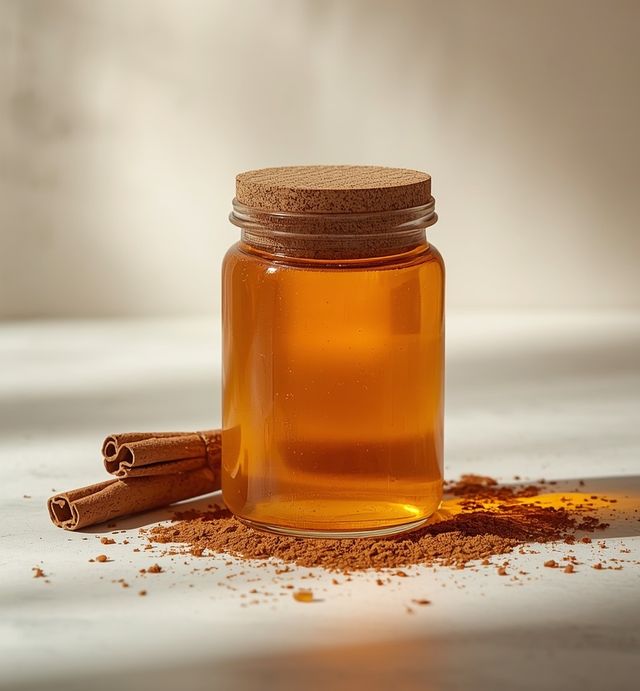
Ceylon cinnamon – a broad-spectrum natural antiseptic with antiparasitic properties
The essential oil derived from the bark of Ceylon cinnamon (*Cinnamomum verum*) is recognized as one of the most potent natural antimicrobial and disinfectant agents available. Its broad-spectrum efficacy extends to the eradication of pathogenic microorganisms, including *Bacillus subtilis*, *Escherichia coli* (a common intestinal bacterium), *Aspergillus niger* (black mold), *Mycobacterium tuberculosis* (the causative agent of tuberculosis), *Mycobacterium phlei*, *Pseudomonas aeruginosa* (a multidrug-resistant opportunistic pathogen), *Staphylococcus aureus* (including antibiotic-resistant strains), *Penicillium chrysogenum* (a penicillin-producing mold), and *Candida albicans* (a opportunistic fungal pathogen).
Therapeutically, cinnamon oil is employed as an adjunct in the management of viral and bacterial respiratory tract infections—encompassing both upper respiratory conditions (rhinopharyngitis, sinusitis, pharyngitis) and lower respiratory ailments (bronchitis, pneumonia). Additionally, owing to its pronounced antiparasitic properties, it may be utilized in the eradication of cutaneous ectoparasites (such as *Sarcoptes scabiei*, the mite responsible for scabies, and *Pediculus humanus*, the human louse) as well as gastrointestinal endoparasites.
In dermatological practice, its application includes the treatment of viral skin lesions (common warts caused by human papillomavirus – HPV), bacterial dermatoses (acne vulgaris, staphylococcal infections), and mycotic infections (cutaneous candidiasis).
However, caution is advised for individuals diagnosed with cholelithiasis (gallstones) or biliary dysfunction, as eugenol—a primary bioactive constituent of the oil—has the potential to alter the rheological properties of bile, thereby exacerbating symptoms associated with biliary colic.
Flaxseed oil – a rich source of omega-3 fatty acids with immunomodulatory properties
Oil derived from flaxseeds serves as a valuable source of polyunsaturated omega-3 fatty acids, which play a pivotal role in modulating inflammatory and allergic responses. Their mechanism of action involves attenuating excessive immune system activity, thereby mitigating the severity of inflammatory conditions of viral or bacterial origin. Research indicates that omega-3 fatty acids exert their effects on immune cells by altering the synthesis of signaling molecules involved in intercellular communication—such as eicosanoids, cytokines, and nitric oxide—as well as by modifying the expression of surface receptors that facilitate interactions between immune cells.
Evidence-based approaches to enhancing immune function – a comprehensive review of natural interventions
Among the fundamental natural elements that promote the optimal functioning of the body’s defensive mechanisms are consistent physical exercise, ensuring both sufficient duration and quality of sleep, and—above all—a well-structured nutritional regimen. It is essential not only to maintain a balanced intake of macronutrients and micronutrients but also to regularly supply the body with bioactive compounds exhibiting antioxidant properties, including essential vitamins, trace minerals, polyunsaturated fatty acids from the omega-3 and omega-6 families, and probiotic bacterial cultures that support gut microbiota. Particular emphasis should be placed on immunomodulatory substances, which have demonstrated potential in cancer prevention, enhance the efficiency of immune responses, and modulate the severity of inflammatory reactions. Consequently, it is of paramount importance that daily dietary patterns incorporate foods rich in these compounds, thereby contributing to comprehensive support for overall health and immunological resilience.