How Should a Runner Ensure Proper Foot Care?

Oliwia Kaczmarek
✓
Diets Premium Medical Expert • 25.09.2026
✓
Scientifically reviewed by a clinical dietitian:
This article has been peer-reviewed for adherence to IŻŻ, WHO, and PTGiP clinical nutritional standards.
| CLINICAL KNOWLEDGE MAGAZINE Fitness Lifestyle | min read 6 min |
| Diets Premium Medical Expert Oliwia Kaczmarek | Scientifically reviewed by a clinical dietitian 25.09.2026 |
Smart Voice
•Listen to the article content live
0:00
/
0:00
Key Takeaways
Although equipment is not the decisive factor for the success of a workout, it is hard to deny that it plays a significant role in the entire exercise process. Running, like other sports, exposes the trained body parts to many risks. In this article, we present several straightforward ways to care for your feet so that running becomes even more enjoyable.
Meal Plan
Want to apply these guidelines in your daily diet?
Our smart diet generator creates a tailored meal plan in 3 minutes based on the recommendations in this article.
PRO Content
PRO
This article is professional premium content (PRO) provided in its entirety.
Selecting the Right Running Shoes
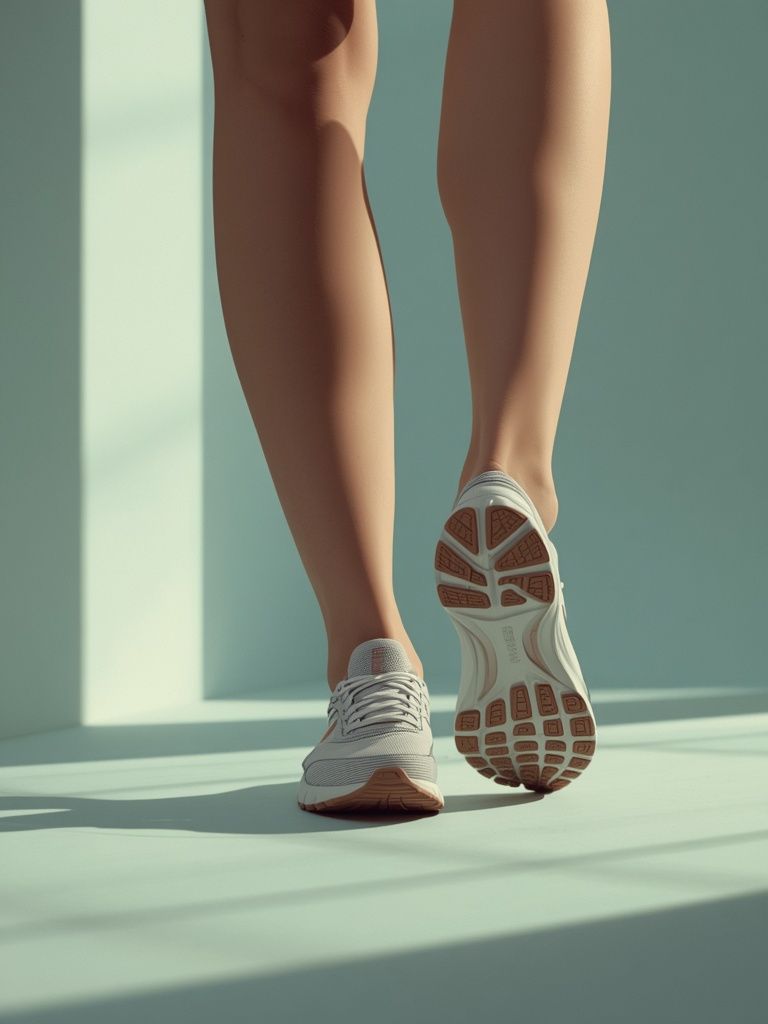
The cornerstone of safe and effective running lies in selecting the appropriate footwear. While it may initially appear that comfortable shoes are sufficient, the reality is that choosing the right model is far more nuanced. This comprehensive guide will help you avoid common mistakes and ensure optimal training conditions. First, determine your foot type, as this dictates the appropriate cushioning system. Neutral, pronated, and supinated feet require distinct footwear. Next, identify the terrain you plan to run on, as differences in shoe stiffness and flexibility are crucial. Additionally, consider the brand, as reputable manufacturers offer superior quality. When trying on shoes, remember that feet swell during running, so your running shoes should be slightly larger than your regular footwear. The heel should be secure, and your toes should have ample room to move.
Optimal running socks
Beyond footwear, socks play a crucial role in maintaining the health of our feet. The most advantageous choice is selecting products made from Coolmax fabric, known for its breathability and thermoactive properties. This effectively wicks away excess moisture, ensuring a fresh sensation and preventing excessive dampness. Additionally, running socks should feature a durable elastic cuff to prevent slipping, thereby reducing the risk of chafing and skin irritation. Another excellent option is Injini socks with individual compartments for each toe, which help prevent fungal infections and microtraumas in the interdigital spaces. The least suitable choice is thick, cotton socks, as they impede ventilation, leading to excessive sweating and overheating of the feet. Consequently, the skin becomes more susceptible to damage and blisters, significantly hindering safe running.
Comprehensive daily protection and at-home care for optimal foot health
Meticulous and consistent foot hygiene serves as the cornerstone for preserving skin health while significantly reducing the likelihood of common dermatological conditions, including fungal infections and seborrheic dermatitis. As part of daily hygienic practices, it is strongly advised to mechanically exfoliate calloused skin using specialized tools such as graded pumice stones, enzymatic foot peels, or microfiber abrasive discs. Following thorough cleansing and exfoliation, the newly exposed skin layers require immediate restoration through the application of premium moisturizing formulations. Particular emphasis should be placed on products containing natural aloe vera extracts, vegetable glycerin, or 10% urea, which intensively repair the lipid barrier. An indispensable complement to this regimen should include professional-grade antibacterial and antifungal treatments for both the skin of the feet and the interior of footwear, thereby maintaining optimal microbiological conditions throughout the day.
Comprehensive foot preparation prior to running training – essential protective and care procedures
Beyond the conventional warm-up exercises that focus on mobilizing the joints of the lower limbs and activating and elastically stretching the soft tissues of the foot—including tendons, ligaments, and plantar muscles—it is equally critical to ensure proper epidermal condition of the feet prior to engaging in intense physical exertion. Sports medicine specialists advocate for the systematic use of dermatological preparations with protective properties, whose formulations prevent the development of chafing, blisters, and inflammatory skin conditions—particularly in vulnerable areas such as the plantar surface of the foot, the posterior heel region, the lateral edges of the feet, and the ankles. Additionally, before donning athletic footwear and functional socks, it is advisable to apply agents that regulate perspiration levels, such as antibacterial and antiperspirant deodorants or talc-based powders. This approach mitigates the risk of epidermal maceration caused by excessive sweating, thereby preserving its structural integrity and optimal hydration throughout the entire training session, regardless of its intensity or environmental conditions.
Post-exercise foot recovery and self-massage techniques – a comprehensive guide for runners and beyond
Whether you have just completed an intense running session or simply wish to maintain the health of your feet in daily life, targeted recovery techniques and systematically applied relaxation methods play a pivotal role in injury prevention and the preservation of optimal foot function. Running, as a high-impact discipline, carries an elevated risk of various ailments—ranging from muscle overuse to inflammatory conditions such as plantar fasciitis. Consequently, regular stretching exercises and foot massage constitute indispensable components of preventive care, particularly for individuals engaged in active sports. Primary attention should be directed toward the plantar surface of the foot, spanning the arch to the heel, as this region houses the structures most susceptible to microtrauma and chronic overloading. Systematic mobilization of this area can substantially reduce the likelihood of painful conditions, including heel spurs and fasciitis. Foot massage may be performed either manually, through precise palpation techniques, or with the aid of diverse accessories. In instances where professional massage rollers or specialized spiked balls are unavailable, common household items may be effectively substituted. Examples include a tennis ball, rolling pin, or even a simple plastic pipe. The key to efficacy lies in applying firm, controlled pressure to the sole against the chosen implement, followed by smooth, rolling motions—from the base of the toes to the heel. This procedure should be performed consistently, tailored to individual needs, yet always with moderation to avoid placing additional strain on already fatigued foot structures.
Refining Running Form for Foot Health and Training Efficiency
It is essential to emphasize that even the most advanced training methodologies will prove ineffective if the foundational principles of proper running form—critical for safeguarding foot health—are overlooked. As with any physical discipline, running operates according to well-defined biomechanical laws; adherence to these principles not only facilitates the attainment of fitness objectives but also serves as a protective mechanism against injury. Regardless of one’s proficiency level—whether a novice enthusiast or a seasoned competitor—meticulous attention to running technique acts as a preventive measure, shielding against overuse injuries and cumulative microtrauma. A comprehensive evaluation of the movement cycle, encompassing both walking and running mechanics, enables the identification and correction of errors that may otherwise result in localized foot damage or prolonged training interruptions. When uncertainties arise regarding personal skill or theoretical knowledge, seeking guidance from more experienced runners or certified coaches represents a prudent strategy. Such consultations constitute a valuable investment in one’s athletic development, as every expert once began as a beginner, progressively refining each technical nuance to achieve mastery.
Tags
Oliwia Kaczmarek
Diets Premium Medical Expert
Member of the Diets Premium clinical editorial board. Specializes in medical diet therapy, metabolic health, and nutritional planning.
View Profile →