4 min read
How Can You Ensure the Body Gets Enough Fluids? Does Tea Cause Dehydration?

Olivia Davis
✓
Diets Premium Expert • 25.09.2026
✓
Scientifically reviewed by a clinical dietitian:
This article has been peer-reviewed for adherence to IŻŻ, WHO, and PTGiP clinical nutritional standards.
| Diets Premium Expert Olivia Davis | min read 4 min | Scientifically reviewed by a clinical dietitian 25.09.2026 |

Smart Voice
•Listen to the article content live
0:00
/
0:00
Key Takeaways
Aside from nutrients, the body requires an adequate amount of water for proper functioning. Water performs numerous essential functions in the body, including enabling proper blood circulation, supporting digestive processes, stimulating intestinal peristalsis, and regulating body temperature. Maintaining an appropriate level of hydration is imperative for preserving good health, and avoiding dehydration can impact both physical and mental well-being. Research conducted by scientists at Virginia Polytechnic Institute and State University found that even mild dehydration (a loss of 1-2% of body water) can lead to a decline in cognitive abilities.
Meal Plan
Want to apply these guidelines in your daily diet?
Our smart diet generator creates a tailored meal plan in 3 minutes based on the recommendations in this article.
Optimal organismal hydration: physiological fundamentals and the consequences of water balance disturbances
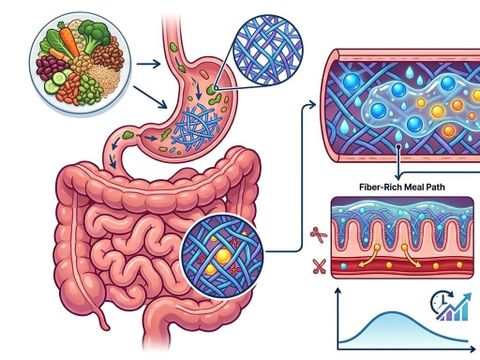
The percentage composition of water within human tissues exhibits substantial variability contingent upon developmental stage and sex-specific characteristics. In neonates, water constitutes nearly three-quarters of total body mass, whereas in adults, this proportion averages approximately 60%. Individual fluid requirements are governed by a multitude of factors, among which the most critical include the intensity of physical exertion, ambient thermal conditions, biological age, and the qualitative composition of daily dietary intake. Of particular significance is the observation that diets rich in high-energy nutrients and fiber-dense products necessitate an elevated fluid intake. Additionally, pathological conditions such as diarrheal episodes or vomiting—both of which markedly increase daily water demands—must not be overlooked. Both chronic deficiency and excessive water intake entail severe health repercussions. A state of dehydration manifests through intensified thirst, vertigo, dryness of oral mucous membranes, dysarthria, cardiac arrhythmias, and anorexia. Depending on the severity, this may lead to diminished performance across physical and cognitive domains and, in extreme cases, even mortality. Prolonged water deficit impairs renal function, reduces sweat secretion, induces chronic fatigue, and disrupts motor coordination. Conversely, while far less common, fluid overload poses a tangible risk, particularly among athletically active individuals. When the renal filtration capacity is overwhelmed by excessive fluid consumption, a decline in blood sodium ion concentration (hyponatremia) occurs, triggering cellular swelling. In severe instances, this may progress to cerebral edema and death. Classic symptoms of water excess include persistent headaches, vomiting episodes, and peripheral edema.
How to Properly Hydrate Your Body Daily: Effective Strategies
Drink water! Water is not the only factor that affects hydration, but you can distinguish between mineral, source and food water. For young people and those who are physically active, the recommended amount of water should be about 30 ml of water per 1 kg of body weight. It is therefore also important how to drink it slowly and in small amounts. Large quantities of liquids exhausted at once will result in continuous urination and malnutrition of the body. However, for young people, and people with physical activity, it is recommended that the recommended quantity of water be less than 30 ml, which is an important source of calcium and saline salts.
Does consuming tea lead to dehydration of the body?
The widespread misconception that tea causes dehydration stems from its theine content—a stimulant with mild diuretic properties—though such effects only manifest when consumed in excessively large quantities. Research featured in the esteemed "European Journal of Clinical Nutrition" confirms that regular tea consumption not only effectively hydrates the body but also confers significant health benefits, primarily due to its flavonoid content, which helps protect against cardiovascular diseases and certain types of cancer. Evidence indicates that drinking three to four cups daily reduces the risk of myocardial infarction. Conversely, no scientific data supports the claim that moderate tea intake could harm the body. Proper hydration remains a cornerstone of a balanced diet, with water being the most optimal fluid source—particularly when consumed consistently in small, frequent amounts to maintain adequate hydration levels throughout the day.
Tags

Olivia Davis
✓Diets Premium Expert
Diets Premium team expert. Specializes in nutrition plans, strength sports, and training plans.
View Profile →