PRO
CLINICAL KNOWLEDGE MAGAZINE
6 min read
High-protein diets: guidelines, meal plan, and outcomes

Katarzyna Mazur
✓
Diets Premium Medical Expert • 24.09.2026
✓
Scientifically reviewed by a clinical dietitian:
This article has been peer-reviewed for adherence to IŻŻ, WHO, and PTGiP clinical nutritional standards.
| CLINICAL KNOWLEDGE MAGAZINE CLINICAL KNOWLEDGE MAGAZINE | min read 6 min |
| Diets Premium Medical Expert Katarzyna Mazur | Scientifically reviewed by a clinical dietitian 24.09.2026 |

Smart Voice
•Listen to the article content live
0:00
/
0:00
Key Takeaways
Protein plays a vital role in the body by supplying essential nitrogen and amino acids necessary for numerous physiological processes. Hence, it is no surprise that high-protein diets are so widely promoted in social media. According to common belief, such a dietary approach accelerates fat loss, supports muscle development, and enhances satiety, making it easier to stick to dietary discipline. For whom might this approach be unsuitable? Are high-protein diets finally the perfect solution for a lean and toned physique? The answers to these questions can be found in this article. We invite you to read!
Meal Plan
Want to apply these guidelines in your daily diet?
Our smart diet generator creates a tailored meal plan in 3 minutes based on the recommendations in this article.
PRO Content
PRO
This article is professional premium content (PRO) provided in its entirety.
The rules of a high-protein diet
Given the wide range of dietary recommendations available for a high-protein diet, it is difficult to specify a single, universal definition of this type of diet, as recommended by the Institute of Food and Nutrition. Some sources consider high protein diets to be those where the percentage of energy derived from protein exceeds 25% or where the protein content per kilogram of lean body weight is greater than 1.6 g. However, according to the recommendations of the Institute, the recommended amount of protein consumed during the day by an adult is 0.9 g/kg of body weight.
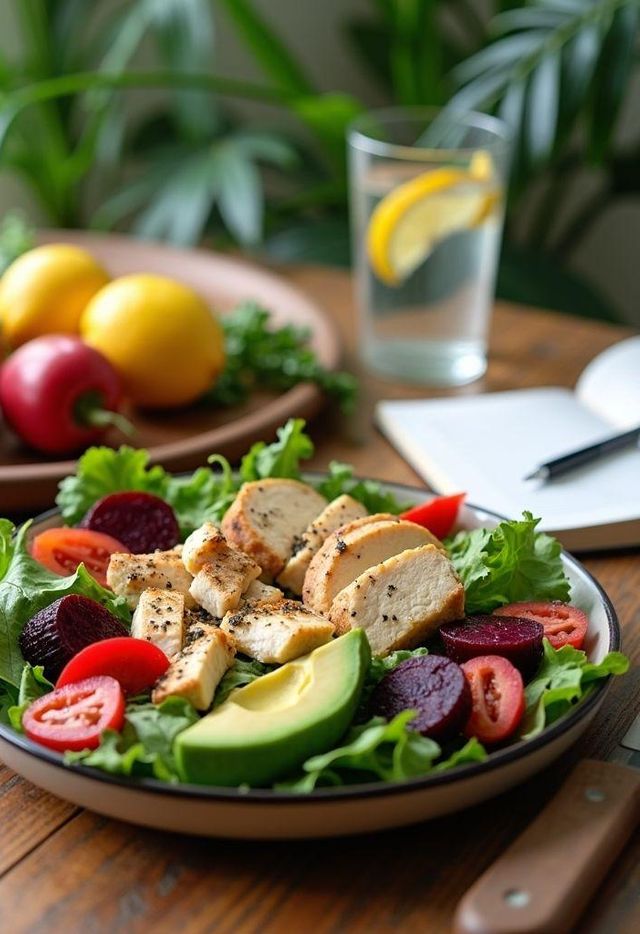
A list of foods on a high-protein diet
The composition of the high-protein diet should therefore always be preceded by an appropriate nutritional and medical examination. This examination will allow us to assess the patient's health, possible indications or even counter-indications of the planned nutrition intervention. The cause is trivial. The table list on the high protein diet will be completely different for healthy people who are exercising, whose only goal is to reduce fat, maintain or expand fat, and for those who are not physically well fed. Here you can also find the level of high-energy intake of amino acids (which is the highest level of protein intake in the body.
The effects of a high-protein diet
Scientific studies almost unequivocally confirm that dietary protein can have a beneficial effect on weight loss at the same time as cholesterol synthesis (called hunger loss). In other words, it also affects the increase in satiety by increasing the secretion of saturated hormones (GIP glucose-dependent soyotropic peptide and GLP-1 glycagon-like peptide-1) in people who are also dietary dependent on dietary fat loss.
Katarzyna Mazur
Diets Premium Medical Expert
Member of the Diets Premium clinical editorial board. Specializes in medical diet therapy, metabolic health, and nutritional planning.
View Profile →