4 min read
Hemp Protein – What It Is, Properties, and Application

Emilia Szymańska
✓
Diets Premium Expert • 25.09.2026
✓
Scientifically reviewed by a clinical dietitian:
This article has been peer-reviewed for adherence to IŻŻ, WHO, and PTGiP clinical nutritional standards.
| Diets Premium Expert Emilia Szymańska | min read 4 min | Scientifically reviewed by a clinical dietitian 25.09.2026 |

Smart Voice
•Listen to the article content live
0:00
/
0:00
Key Takeaways
Hemp protein is becoming an increasingly accessible product that can greatly enrich our daily diet. Who can reap the most benefits from these advantages?
Meal Plan
Want to apply these guidelines in your daily diet?
Our smart diet generator creates a tailored meal plan in 3 minutes based on the recommendations in this article.
The genesis and indigenous habitats of hemp (*Cannabis sativa*) in Asian ecosystems and along the Euro-Asian frontier
Wild populations of hemp (*Cannabis sativa* L.) occur naturally in the mountainous territories of Central Asia and within the transitional zones bridging the Asian and European continents, where favorable climatic conditions and nutrient-rich soils prevail. These regions represent the ancestral hub of genetic diversity for the species, owing to its prolonged evolutionary adaptation to the local ecological niches over millennia.
A comprehensive guide to hemp-derived protein: origins, nutritional profile, and dietary applications
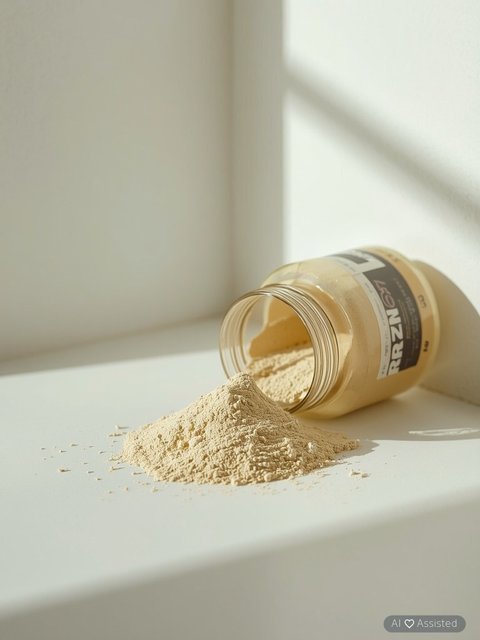
Hemp protein constitutes a premium plant-based nutritional product derived from the mechanical grinding of industrial hemp seeds (*Cannabis sativa* L.), commonly referred to as hempseed. This processing yields hemp flour, distinguished by its exceptional amino acid composition and high digestibility. As a complete plant protein source, it serves as an invaluable dietary supplement—particularly beneficial for athletes with elevated protein requirements, as well as for vegetarians and vegans who exclude animal-derived products from their meals. Regular consumption of hemp protein can effectively contribute to meeting daily protein needs while supporting tissue repair mechanisms and the maintenance of lean muscle mass.
The safety profile of hemp protein: A comprehensive examination of health implications and market accessibility
Scientific evidence confirms that protein derived from hemp seeds (*Cannabis sativa* L.) contains no tetrahydrocannabinol (THC) or other psychoactive compounds present in the floral components of the plant. Consequently, this product fully complies with food safety regulations and is gaining increasing recognition among both consumers and manufacturers of functional foods, resulting in its expanding availability across retail shelves, health food stores, and specialized dietary supplement distributors.
Nutritional and functional attributes of protein derived from hemp seeds (*Cannabis sativa L.*) in specialized and supplemental dietary applications
Hemp-derived protein is devoid of lactose, soy, and gluten, making it a viable option for individuals with intolerances or allergies to these components. While its amino acid composition supports endogenous protein synthesis, it is less complete than that of legume seeds such as soy or peas—primarily due to its relatively low lysine content, an essential amino acid that the human body cannot synthesize independently. Nonetheless, hemp seeds contain a substantial protein concentration (approximately 49 g per 100 g), though pea or soy isolates may reach up to 80–90% protein by weight. For those allergic to soy, hemp protein serves as a valuable substitute. Additionally, it provides carbohydrates, fats—including polyunsaturated omega-3 and omega-6 fatty acids—and dietary fiber (up to 12 g per 30 g serving). In terms of flavor, hemp protein is frequently likened to sunflower seeds; however, consumer feedback varies widely: some find it acceptable, while others describe it as unpleasant and difficult to mask. Texture-related criticisms include poor solubility and an tendency to over-thicken beverages.
The use of hemp protein
Hemp protein is used as a dietary supplement for athletes and weight-loss people. Hemp-protein supplements, as well as hemp flour, enjoy popularity among vegetarians and vegans because it is one of the substitutes for animal protein.
Procurement sources and current market pricing: a comprehensive guide
Products derived from hemp are experiencing a steady rise in demand, which has correspondingly expanded their availability across diverse retail channels. Hemp-based flour may occasionally be found in select hypermarket chains, typically shelved within sections dedicated to organic foods or specialized dietary products. Nevertheless, the most extensive product ranges—alongside the most advantageous purchasing terms, including competitive price points, periodic discounts, and the ability to compare specifications—continue to be provided by specialized e-commerce platforms that focus on the distribution of hemp-derived goods and related nutritional supplements.
Recommended Serving Sizes and Individual Protein Requirements for the Supplement
The manufacturing company is legally required to include comprehensive serving guidelines for the supplement directly on the product packaging. Conventional recommendations advocate for the consumption of one to two measured scoops—equivalent to 30 grams—of the product on a daily basis. However, the optimal quantity of protein within a daily dietary regimen is contingent upon a multitude of variables, rendering a one-size-fits-all approach impractical. Individuals engaged in rigorous physical training programs, in particular, exhibit an elevated demand for this critical macronutrient—meaning that a single serving may prove inadequate to fully meet their physiological requirements.
General contraindications for the consumption of industrial hemp seed products and protein supplements
Processed seeds of industrial hemp (Cannabis sativa L.) exhibit a substantial proportion of dietary fiber, which may precipitate dyspeptic symptoms—most notably excessive intestinal gas production and abdominal discomfort. This phenomenon typically arises from an abrupt alteration in established dietary patterns, wherein fiber intake is significantly elevated while concurrent fluid consumption remains insufficient. Furthermore, high-fiber diets are contraindicated for individuals suffering from chronic gastrointestinal disorders, including inflammatory bowel diseases (Crohn’s disease, ulcerative colitis), irritable bowel syndrome (IBS), or post-resection conditions resulting in short bowel syndrome. An additional limitation is the requirement for protein-restricted diets, which precludes the use of protein supplements and high-protein food products.
Potential adverse reactions associated with hemp protein consumption and its dietary applications in populations with specific nutritional requirements
The existing scientific literature contains relatively limited detailed data regarding potential adverse effects associated with the regular supplementation of protein derived from hemp seeds (*Cannabis sativa* L.). This product is distinguished by the absence of known food allergens, which contributes to its high tolerability—even among pediatric populations. Hemp seeds represent a valuable source of complete plant-based protein, making them an attractive option for individuals seeking methods to enhance their daily dietary intake of this nutrient. While there are commercially available preparations with higher protein concentrations per single serving, their use may be restricted due to individual health contraindications, taste preferences, or economic considerations. A particularly relevant consumer group that may benefit from incorporating hemp protein into their diet includes individuals adhering to restrictive dietary patterns—such as gluten-free, vegan, or elimination diets in cases of allergies to soy or other commonly used protein sources.
Tags

mgr Emilia Szymańska
✓Diets Premium Expert
Diets Premium team expert. Specializes in nutrition plans, strength sports, and training plans.
View Profile →