1 min read
Green Beverage with Tenfold Value Compared to Regular Green Tea – Japanese Matcha

David Janitzek
✓
Diets Premium Expert • 23.10.2026
✓
Scientifically reviewed by a clinical dietitian:
This article has been peer-reviewed for adherence to IŻŻ, WHO, and PTGiP clinical nutritional standards.
| Diets Premium Expert David Janitzek | min read 1 min | Scientifically reviewed by a clinical dietitian 23.10.2026 |

Smart Voice
•Listen to the article content live
0:00
/
0:00
Key Takeaways
Matcha is an artisanal stone-ground Japanese green tea whose systemic bioavailability and antioxidant potency vastly surpass standard steeped tea infusions. Because the Camellia sinensis bushes are shaded prior to harvest and the entire leaf tissue is ingested rather than discarded as dregs, the body absorbs an unparalleled concentration of catechins, chlorophyll, and amino acids. A single serving provides an antioxidant payload equivalent to up to ten cups of standard brewed green tea. This comprehensive clinical guide investigates matcha's phytochemical profile, the synergy of EGCG and L-theanine, metabolic benefits, and traditional brewing protocols.
Meal Plan
Want to apply these guidelines in your daily diet?
Our smart diet generator creates a tailored meal plan in 3 minutes based on the recommendations in this article.
Matcha: an extraordinary Japanese functional elixir with unmatched health-promoting properties
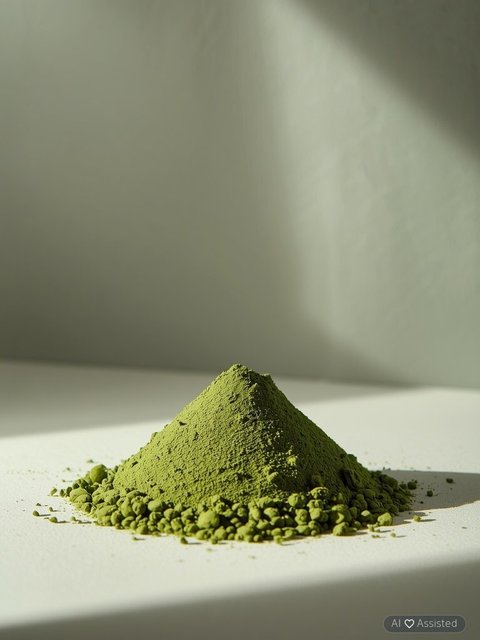
Matcha represents a distinct phytotherapeutic phenomenon. Whereas standard tea preparation extracts solely water-soluble leaf constituents while discarding the nutrient-dense insoluble matrix with the dregs, consuming matcha involves the ingestion of whole, micronized Camellia sinensis leaf tissue. This delivers exponential concentrations of polyphenols, flavonoids, and therapeutic chlorophyll directly to the intestinal lumen, quenching free radicals and shielding cell membranes from oxidative decay. For centuries, matcha has anchored the Japanese chanoyu tea ceremony, harmonizing physiological cellular protection with mindfulness.
Cultivation and stone-milling: how tencha shade-growing multiplies chlorophyll and amino acid concentrations
The extraordinary chemical profile of matcha originates from the meticulous agrotechnical protocols governing tencha cultivation. Approximately three to four weeks prior to harvesting, tea fields are covered with layered bamboo screens or black shade netting that filter out up to 90% of direct solar irradiation. Deprived of normal sunlight, the bushes dramatically upregulate photosynthetic chlorophyll synthesis, imparting an intense emerald hue. Crucially, shade deprivation blocks the enzymatic conversion of the relaxing amino acid L-theanine into astringent tannins, resulting in remarkable accumulation of free theanine responsible for matcha's smooth umami savoriness. The harvested leaves are subsequently destemmed and ground in granite stone mills.
EGCG and antioxidant kinetics: neutralizing oxidative stress, boosting thermogenesis, and cellular longevity
Independent biochemical evaluations (such as landmark analyses from the University of Colorado) revealed that epigallocatechin gallate (EGCG) concentrations in ceremonial matcha exceed standard commercial green tea bags by a staggering factor of 137. EGCG operates as a premier plant polyphenol, exhibiting exceptional capacity to quench reactive oxygen species (ROS), downregulate pro-inflammatory transcription factor NF-kB, and shield circulating low-density lipoproteins (LDL) from atherogenic oxidation. Furthermore, matcha catechins activate cellular AMPK kinase, stimulating systemic thermogenesis and lipid oxidation during exercise, which aids metabolic management and insulin sensitivity.
The synergistic duo of caffeine and L-theanine: fostering sustained 'alert calmness' without adrenergic jitters
Matcha delivers a substantial caffeine payload (approximately 30–70 mg per serving), yet its psychophysiological kinetics diverge sharply from coffee. This distinctive response is governed by abundant concentrations of L-theanine—a unique non-proteinogenic amino acid that readily crosses the blood-brain barrier. L-theanine promotes electroencephalographic alpha wave activity (8–12 Hz), mirroring neurological states of relaxed attentiveness and calm clarity. Concurrently, it competitively modulates caffeine's adrenergic stimulation, eliminating post-caffeine jitters, tachycardia, and rebound energy crashes to provide 4 to 6 hours of sustained cognitive performance.
Traditional ceremonial preparation (chasen, chawan) and innovative culinary applications in functional diets
Authentic matcha preparation mandates strict temperature control to prevent thermal oxidation of heat-sensitive catechins. One to two grams of matcha powder is sifted into a ceramic vessel (chawan), hydrated with 60–80 ml of water heated to 70–80°C (158–176°F, never boiling), and vigorously whisked with a multi-tined bamboo whisk (chasen) using rapid 'W'-shaped motions until a velvety emerald microfoam forms. In contemporary functional culinary nutrition, premium matcha powder is seamlessly blended into breakfast oatmeal, recovery protein smoothies, or plant-based oat matcha lattes, infusing everyday meals with potent cellular defense compounds.

mgr David Janitzek
✓Diets Premium Expert
Diets Premium team expert. Specializes in nutrition plans, strength sports, and training plans.
View Profile →