Game Meat – Nutritional Values, Uses, and Consumption Limitations

| Diets Premium Expert Anna Schmidt | min read 4 min | Scientifically reviewed by a clinical dietitian 23.10.2026 |

Smart Voice
•Listen to the article content live
If the word 'game meat' brings to mind fatty, unhealthy meat that lacks any nutritional value and has been removed from the list of recommended foods in your daily diet, you are most likely making a mistake. It's time to dispel this myth and understand the many health benefits of consuming game meat. Game meat is the meat of animals that live and feed in the wild, making it a product of higher quality than meat from farmed animals. It is also a source of many important nutrients, such as proteins, vitamins, and minerals. In this article, we will discuss the nutritional values of game meat, its use in our diet, and the people who should limit their consumption. We invite you to read this article and learn more about game meat and its nutritional properties.
Want to apply these guidelines in your daily diet?
Our smart diet generator creates a tailored meal plan in 3 minutes based on the recommendations in this article.
Game meat: an underrated nutritional powerhouse with exceptional dietary benefits
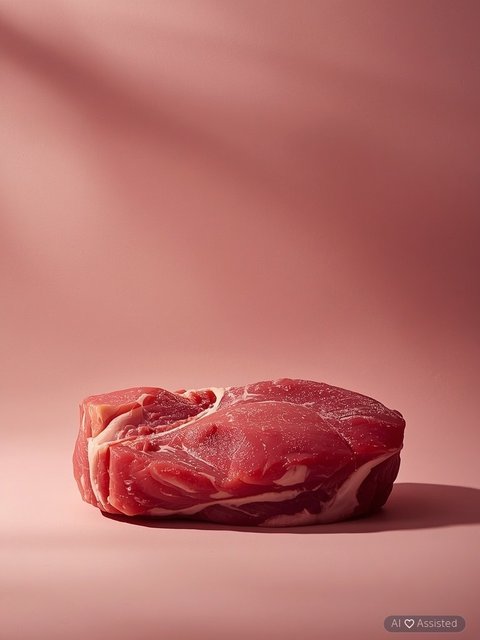
When consumers are asked to identify the healthiest and most nutritionally balanced type of meat, the vast majority instinctively point to poultry—and while this answer is justified, it is by no means the only correct one. An equally compelling, if not superior, contender emerges in the form of **game meat**, whose exceptional properties remain woefully underappreciated. Foremost among its advantages is an **unparalleled low caloric density**: the average energy value across various wild species hovers at just **120 kcal per 100 grams**. Even more remarkable is the fact that **80% of this energy** derives from **complete protein**, replete with all essential exogenous amino acids—compounds the human body cannot synthesize independently. The fat content is astonishingly low, registering at a mere **3 grams per 100 grams of raw meat**, a direct consequence of the highly active lifestyle of wild animals: their constant motion promotes vigorous fat metabolism, preventing excessive adipose accumulation. The result is lean, well-vascularized meat with an exceptionally low cholesterol level (**only 80 mg per 100 g**), rendering it particularly valuable in the prevention and adjunct therapy of cardiovascular diseases.
However, the merits of game meat extend far beyond its favorable macronutrient profile. It also stands as one of the richest natural sources of critical micronutrients, including **iron** (evident in its deep red hue), **phosphorus** (vital for bone and dental health), and **calcium**—with concentrations significantly surpassing those found in domesticated meats. These distinctive attributes position game meat as a cornerstone of a balanced diet, especially for health-conscious individuals seeking to optimize their nutritional intake.
Game meat – a natural symphony of flavor and aromatic depth
The meat of wild game is distinguished by its substantial concentration of extractive compounds—water-soluble substances that, upon cooking, infuse into broths, imparting a singular taste profile and rich aromatic complexity. This remarkable abundance stems directly from the highly active, dynamic lifestyles of wild animals, while their organoleptic qualities—including texture, scent, and flavor depth—are profoundly influenced by their dietary habits. These creatures primarily subsist on forest-based fare with pronounced aromatic qualities, as well as—particularly in the case of wild boar—insects and invertebrates, resulting in an extraordinarily diverse and distinctive meat flavor. Depending on the species, the taste may range from the delicate, refined notes of venison or roe deer to the more robust, earthy undertones of wild boar. Connoisseurs place particular value on the meat of young specimens, deeming it the most tender and flavorful. Furthermore, game meat harvested during late autumn or early winter is widely regarded as the finest in terms of sensory quality, as the animals’ diet during this period—comprising chestnuts and other seasonal vegetation—further enriches the meat with unique, nuanced flavors.
Culinary applications of game meat: preparation techniques, seasoning guidelines, and serving suggestions
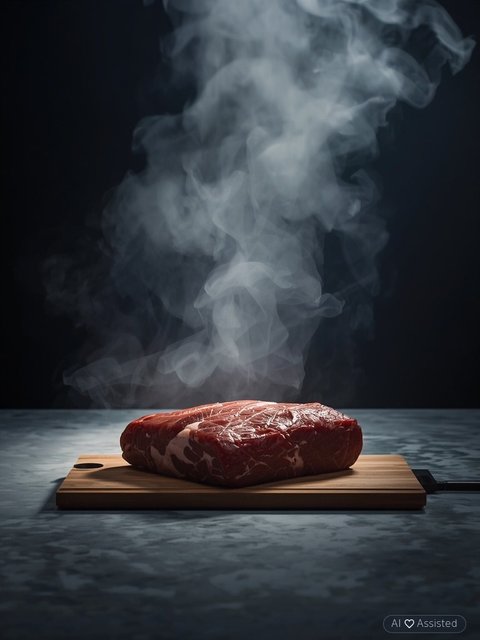
Game meat is distinguished by its distinctive, robust flavor and lends itself to a variety of culinary techniques, including boiling in water or broth, pan-searing, slow braising in a covered vessel, or oven-roasting at controlled temperatures. To fully develop its taste potential, it is advisable to marinate the meat beforehand in a blend of herbs, spices, vinegar, or wine, which not only tenderizes the texture but also enhances its complex flavor profile. During roasting, it is essential to baste the meat frequently with its own juices, rendered fat, or broth, as its naturally low fat content makes it prone to drying out and becoming tough. The selection of seasonings should be tailored to the type of game: for wild boar or venison, cumin seeds are particularly complementary, whereas game birds such as pheasant or partridge benefit from a combination of dill, thyme, and fresh parsley. Allspice and bay leaves provide an excellent foundation for braised dishes. Game meat pairs exceptionally well with dried fruits—such as prunes, apricots, or cranberries—as well as with full-bodied red wines. Additionally, the meat from wild animals can be transformed into refined pâtés, rich stews, hearty casseroles, and artisanal charcuterie, including sausages with a distinctive taste character.
Game meat: Clinical contraindications, health hazards, and risks associated with improper sourcing and substandard processing practices
The elevated concentration of purine-derived extracts in game meat constitutes a significant dietary restriction for individuals diagnosed with hyperuricemia or gout, as these compounds exacerbate symptomatic manifestations and accelerate disease progression. Furthermore, consumption of meat from unverified sources poses a substantial risk of ingesting products that have undergone inadequate thermal processing or storage in violation of sanitary protocols, thereby facilitating the proliferation of pathogenic microorganisms—including *Trichinella spiralis* larvae, which are frequently encountered in wild boar meat. Industrial processing of game often involves the use of chemical preservatives such as nitrites and nitrates, whose excessive intake has been epidemiologically linked to an increased incidence of gastrointestinal malignancies. From a nutritional perspective, the optimal choice is minimally processed meat obtained from certified suppliers adhering to stringent veterinary and hygienic standards. It is noteworthy that game meat exhibits a favorable nutritional profile: low in saturated fats, high in biologically complete protein, and rich in essential micronutrients such as heme iron, zinc, selenium, and B-complex vitamins. Owing to these attributes, as well as its robust, distinctive flavor, game meat is highly valued in both traditional regional cuisines and haute cuisine, where it is prepared using diverse culinary techniques—ranging from slow braising to high-temperature searing—to preserve its unique organoleptic properties.
Tags

Anna Schmidt
✓Diets Premium Expert
Diets Premium team expert. Specializes in nutrition plans, strength sports, and training plans.
View Profile →