1 min read
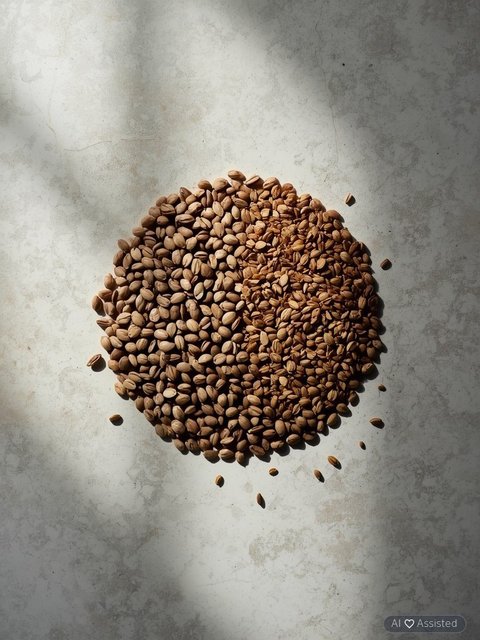
Flaxseed seeds - ideal for foot care

David Janitzek
✓
Diets Premium Expert • 23.10.2026
✓
Scientifically reviewed by a clinical dietitian:
This article has been peer-reviewed for adherence to IŻŻ, WHO, and PTGiP clinical nutritional standards.
| Diets Premium Expert David Janitzek | min read 1 min | Scientifically reviewed by a clinical dietitian 23.10.2026 |

Smart Voice
•Listen to the article content live
0:00
/
0:00
Key Takeaways
The problem of rough, callused, and cracked soles of the feet affects countless individuals throughout the year. Because foot skin lacks sebaceous glands and endures continuous mechanical friction, it requires intensive nourishment. Flaxseed represents one of the most effective, completely natural therapeutic remedies available. Rich in plant mucilages and omega-3 essential fatty acids, it effectively restores velvety softness, elasticity, and optimal barrier integrity to the feet.
Meal Plan
Want to apply these guidelines in your daily diet?
Our smart diet generator creates a tailored meal plan in 3 minutes based on the recommendations in this article.
Hydrating and restorative properties of flaxseed in foot skin care
Fissured and calloused heels represent a prevalent dermatological concern that—unless attributable to systemic conditions such as diabetes or vitamin deficiencies—typically arises from neglect in daily foot hygiene and insufficient maintenance routines. Routine cleansing under running water with conventional cleansers (e.g., shower gels or bar soaps) frequently proves inadequate to prevent excessive keratinization of the epidermal layer. To restore suppleness and a healthy appearance to the feet, it is advisable to implement a regimen of nutrient-rich soaks at least twice weekly. Among the most efficacious and natural remedies is flaxseed, which, when steeped in boiling water, yields a viscous, mucilaginous infusion abundant in omega-3 fatty acids, plant-based proteins, and trace minerals. This preparation exerts profound moisturizing effects, softening even the most hardened skin layers. Following a 20-minute immersion of the feet in the cooled infusion, gentle exfoliation of dead skin cells using a pumice stone or specialized foot file is recommended, succeeded by the application of a deeply hydrating, reparative foot cream. Consistent adherence to this protocol not only enhances the aesthetic quality of the heels but also fortifies their innate protective barrier. Beyond its cosmetic applications, flaxseed serves as a valuable dietary supplement, promoting skin health from within owing to its high concentrations of zinc, magnesium, and B-complex vitamins.
Homemade flaxseed foot baths and compresses for calluses and cracked heels: step-by-step recipes
The key to unlocking the dermatological benefits of flaxseed lies in preparing a concentrated, bioactive decoction. To prepare a softening foot bath, simmer 4–5 tablespoons of whole flaxseeds in 1.5 liters of water for 10–15 minutes until a gelatinous mucilage forms. Once cooled to a comfortable warmth (approximately 37–38°C), immerse the feet for 20 minutes. The botanical mucilage envelops the stratum corneum, thoroughly softening hyperkeratotic plaques and enabling gentle exfoliation.
For severe, painful heel fissures, an intensive overnight compress is highly recommended. Apply the thick warm flaxseed mucilage, optionally blended with a few drops of antimicrobial tea tree or lavender essential oil, generously across the heels. Secure with breathable cotton socks and leave overnight. Within 2–3 sessions, epidermal micro-fissures begin to seal and the skin regains resilience.
Anti-inflammatory, antifungal, and antimicrobial actions of fatty acids and lignans
Heel fissures provide opportunistic pathways for microbial colonization, creating heightened susceptibility to secondary bacterial infections and fungal dermatophytosis (Tinea pedis). Flaxseeds provide a unique defensive spectrum of bioactive constituents. Alpha-linolenic acid (ALA) and phytosterols modulate inflammatory cascades by suppressing pro-inflammatory cytokines and eicosanoids.
Simultaneously, mucilaginous polysaccharides form a semi-permeable protective film that drastically curtails transepidermal water loss (TEWL) without impeding normal cutaneous respiration. Flaxseed lignans exert potent free-radical scavenging capabilities, shielding vulnerable tissue from oxidative damage while stimulating fibroblast proliferation and nascent collagen synthesis for accelerated healing.
Comprehensive prevention and holistic foot care routine: hygiene, footwear, and clinical contraindications
Even the most meticulous external regimens require supportive lifestyle preventive practices to yield enduring outcomes. Properly cushioned footwear that minimizes localized mechanical friction around the calcaneus is essential. Synthetic hosiery should be substituted with breathable cotton or bamboo fibers to avoid excessive perspiration and epidermal maceration.
Furthermore, skin elasticity mirrors internal systemic hydration and nutrient status. Ingesting dietary flaxseeds, omega-3 fatty acids, and antioxidant vitamins (A, E, zinc) promotes lipid synthesis from within. Patients diagnosed with diabetes mellitus (diabetic foot syndrome) or severe peripheral vascular disease must seek professional podiatric supervision before undertaking home foot maceration procedures.
Tags

mgr David Janitzek
✓Diets Premium Expert
Diets Premium team expert. Specializes in nutrition plans, strength sports, and training plans.
View Profile →