Depression and Meatless Diet – Essential Understandings

Kacper Nowak
✓
Diets Premium Medical Expert • 23.03.2026
✓
Scientifically reviewed by a clinical dietitian:
This article has been peer-reviewed for adherence to IŻŻ, WHO, and PTGiP clinical nutritional standards.
| CLINICAL KNOWLEDGE MAGAZINE Dietetics | min read 10 min |
| Diets Premium Medical Expert Kacper Nowak | Scientifically reviewed by a clinical dietitian 23.03.2026 |

Smart Voice
•Listen to the article content live
0:00
/
0:00
Key Takeaways
Currently, mental health plays an increasingly significant role in daily life, and the fight against depression and other mental disorders is a crucial goal for many people. Due to growing awareness, people are actively seeking out natural and comprehensive ways to improve well-being. One of the increasingly fascinating aspects is the impact of diet on emotions and mental state. A meatless diet appears to be a particularly advantageous solution.
Meal Plan
Want to apply these guidelines in your daily diet?
Our smart diet generator creates a tailored meal plan in 3 minutes based on the recommendations in this article.
PRO Content
PRO
This article is professional premium content (PRO) provided in its entirety.
What is the significance of Depression?
Depression is a serious mental disorder that impacts thinking, feeling, and behavior. It is not just simple sadness or a transient feeling of dejection. Depression consists of persistent and tenacious feelings of sadness, apathy, and hopelessness that can significantly impair daily functioning. It is characterized by a constant feeling of emptiness, loss of interest and pleasure, difficulty concentrating, appetite changes, sleep disturbances, low self-esteem, and even other physical symptoms such as headaches, muscle pain, or digestive system issues. The mechanism of depression is not fully understood, but there are some factors that contribute to its development. One of the main mechanisms of depression is neurochemical dysregulation, which is associated with an imbalance in brain neurochemistry, particularly on the level of neurotransmitters such as serotonin, norepinephrine, and dopamine. Genes also play a significant role. There is evidence that individuals belonging to a family where cases of depression have occurred may be at a higher risk of developing this disorder. An increasing number of studies also point to the role of gut microbiota in mental health. Stress and trauma are other triggers of depression. Severe life stressors, traumatic events, or other difficult experiences can lead to depression as a reaction to these stressors. In some cases, hormonal changes, such as those associated with menopause or the postpartum period, may also be the cause. Psychosocial factors should also be taken into account, such as the quality of social and family relationships, a difficult childhood, lifestyle, and occupational situation (R. M. McCarron 2021).
Principles of a plant-based diet
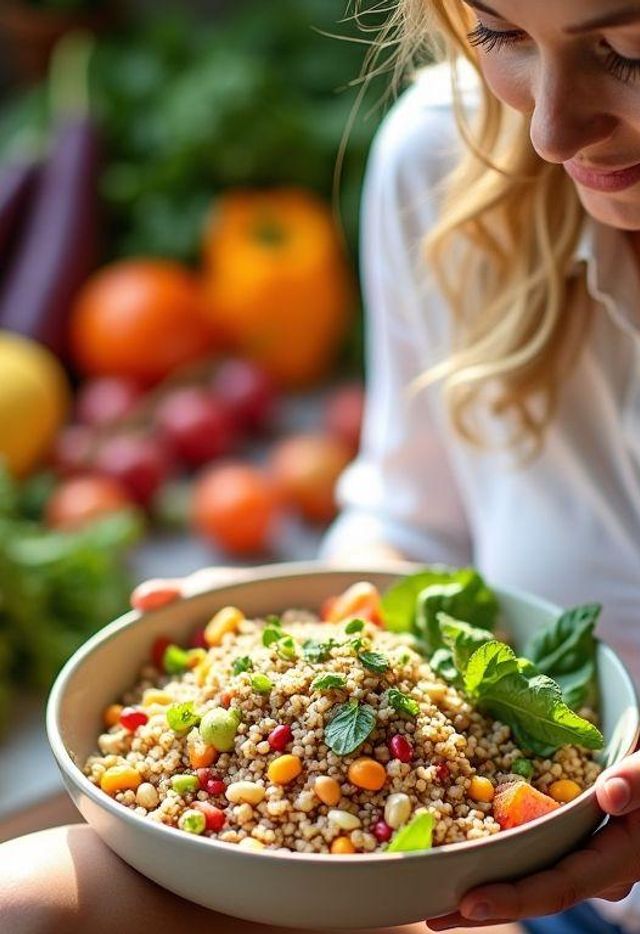
A plant-based diet represents a way of nourishing oneself that relies primarily on products of plant origin and excludes the consumption of meat and fish. In its more radical version, veganism, no animal products are used, such as eggs or milk and their derivatives. A well-composed plant-based diet is rich in fruits, vegetables, whole grain cereals, legumes, and plant sources of fats, such as oils, olives, nuts, and seeds (C. Herpich, U. Müller-Werdan, K. Norman, 2022).
Nutrients that exert influence on depression
Nutrients play a critical role in the functioning of the body and the maintenance of mental well-being. Scientific research increasingly underscores the link between the appropriate level of these nutrients and emotional well-being. Furthermore, the following nutrients appear to be of substantial importance:
Omega-3 fatty acids
– such as docosahexaenoic acid (DHA) and eicosapentaenoic acids (EPA) – are essential for the proper functioning of the brain, maintaining the flexibility of cell membranes, and neurotransmission. Research indicates that omega-3 deficiency may be associated with an increased risk of depression and other mood disorders. Vegans and vegetarians can obtain omega-3s through the consumption of products such as chia seeds, flax seeds, and walnuts. However, it is important to note that they only contain lipoic acid (flax seeds), which converts to the active acids EPA and DHA to a very small extent.
Vitamin D and its salts - indispensable for optimal physical and mental functioning
Vitamin D is not only crucial for bone health, but it also plays a pivotal role in maintaining mental well-being. Research indicates that vitamin D deficiency may be linked to an increased risk of depression and other mental disorders. The human body produces vitamin D in response to sunlight, but it can also be obtained through certain foods, such as fatty fish, eggs, and dairy products. People who choose a meat-free or vegan diet should be mindful of the need to maintain adequate levels of vitamin D and consider supplementation, especially in the form of products labeled as medicines. Furthermore, vitamin D aids in the absorption of calcium from the digestive tract, which is essential for maintaining strong and healthy bones. Therefore, people who choose a meat-free or vegan diet should not only focus on getting enough vitamin D, but also on consuming calcium. If it is difficult to obtain enough calcium from food, supplementation may be necessary. However, it is advisable to seek advice from a doctor or nutritionist to determine the appropriate dosage and type of supplement.
Cobalamin, also known as Vitamin B12, is indispensable
Cobalamin, also known as Vitamin B12, is crucial for the proper functioning of the nervous system and production of red blood cells. A deficiency of this vitamin can lead to mood swings, fatigue, and cognitive impairment. Since the sources of cobalamin primarily come from animal products, it is especially important in the plant diet. Individuals following a meat-free diet, particularly vegans, must monitor their B12 levels and use vitamin supplementation or consume products supplemented with this vitamin if needed, thus it is important to verify whether vegan products are indeed enriched with it (S. Kun Mar et al. 2021).
Mineral nutrients, specifically magnesium, zinc, and selenium
These mineral nutrients play a significant role in the correct functioning of the brain and nervous system. An insufficient level of them may lead to symptoms such as fatigue, apathy, and difficulty concentrating. In a diet limiting the consumption of meat, these nutrients can be obtained through the intake of vegetables, legumes, nuts, and seeds, however attention should be paid to diversity and proper absorption, e.g. by avoiding drinking coffee and tea during meals (J. Wang et al., 2018).
The significance of gut microflora in the development of depression
The gut microflora is a group of microorganisms that reside in the gut. A growing body of research suggests that its composition is linked to mental health and influences the development and course of disorders such as depression. The gut-brain axis, which enables communication between the digestive system and the nervous system, plays a crucial role in this process. The gut microflora affects this communication through the production of chemical substances such as neurotransmitters and short-chain fatty acids (SCFA). Up to 90% of serotonin, also known as the "hormone of happiness", is produced in the gut (J.M. Yano et al. 2015). The gut microflora is also involved in the digestion and absorption of nutrients. Disruptions in the gut microflora (known as dysbiosis) can lead to deficiencies (e.g., B-group vitamins, vitamin K, or minerals such as zinc, selenium, or magnesium) and thus affect brain function and mood. Research focusing on the relationship between the microbiome and depression is still in development, but promising evidence suggests that improving the balance of the gut microflora may be a key factor in the treatment or prevention of depression. This includes both changes in diet, such as the introduction of fiber, probiotics and prebiotics, as well as other strategies such as stress reduction, regular physical activity, and a healthy lifestyle. However, before making any dietary or therapeutic changes, it is advisable to consult a doctor or nutrition specialist to find the best solution for the individual case (C.A. Simpson 2021).
Depression and Inflammatory Response
Scientific research also suggests a complex correlation between depression and the inflammatory response. The inflammatory response is a reaction of the immune system to various factors such as infections, injuries, chronic illnesses, or an unhealthy lifestyle. People with depression often exhibit elevated levels of inflammation biomarkers, including pro-inflammatory cytokines. Several mechanisms explain how the inflammatory response can impact developing depressive disorders, including influencing the balance of neurotransmitters in the brain, such as serotonin and norepinephrine, and causing oxidative stress, which damages neurons and negatively impacts brain function. Preventing the inflammatory response through a diet rich in anti-inflammatory components, physical activity, and stress reduction can be effective in both the treatment of depression and the prevention of relapses (E. Beurel, M. Toups, C. B. Nemeroff 2020).
The beneficial effect of a plant-based diet on depression
A plant-based diet may offer benefits in terms of mental health. Research suggests that it may help alleviate symptoms of depression by increasing consumption of vegetables, fruits, nuts, whole grains, and legumes. Individuals who follow a meat-free diet often report improvements in well-being, manifesting as increased energy and better sleep quality. Furthermore, nutrients present in vegetarian and vegan diets can aid in reducing inflammation, and a high fiber intake along with a diverse range of plant products can have a favorable impact on gut microbiota. It is also worth noting that a vegetarian diet often goes hand in hand with other beneficial lifestyle modifications, such as increased physical activity and avoiding harmful substances, including addictions, which can contribute to overall improvement of mental well-being (Y. C. Shen et al., 2021).
Alternative perspective on vegetarian and vegan diets
Although plant-based diets are rich in many nutrients that reduce the risk of developing depression, including vitamin B12, omega-3 fatty acids, iron, magnesium, zinc, and calcium, their unbalanced consumption may be considered a factor contributing to the development of this disease. Unsuitable dietary structures may be associated with deficiencies in nutrients that are essential for the proper functioning of the nervous system. Furthermore, vegetarian and vegan diets require precise planning, as the elimination or reduction of animal products such as meat, fish, dairy products, and eggs requires the compensation of consuming certain nutrients that may be more difficult to obtain from plant products (M. Askari et al., 2022). Some plant-based products, such as sweets, processed grain products, and vegan fast foods, can be rich in unfavorable ingredients such as simple sugars, salt, and saturated fats, and may also be poor in nutrients. Therefore, individuals who follow a meat-free diet should exercise moderation and read food labels.
Brief summary on depression and the role of diet
Depression is a serious mental disorder that results from various factors, including neurochemical, genetic, hormonal, stress-related, and social factors. It can also be influenced by unhealthy eating habits, and improving these habits can significantly contribute to the reduction of symptoms. A plant-based diet has been highlighted to reduce symptoms of depression, improve overall well-being, and lower stress levels. However, a plant-based diet requires careful planning and avoiding excessive intake of processed plant products. A plant-based diet can also affect gut microbiota, whose dysfunction can impact brain function and contribute to the development of inflammatory conditions that increase the risk of depression. The final important factor in the prevention of depression is the intake of nutrients such as omega-3 fatty acids, vitamin D, vitamin B12, iron, magnesium, and zinc. However, a vegetarian or vegan diet can lead to deficiencies in these nutrients, so proper balancing is crucial. However, it is important to note that diet is only a complement to treatment and cannot replace psychotherapy or medical treatment.
Kacper Nowak
Diets Premium Medical Expert
Member of the Diets Premium clinical editorial board. Specializes in medical diet therapy, metabolic health, and nutritional planning.
View Profile →