Cutting-Edge Dermatological Innovations: Insights from Laboratory Research

| Diets Premium Expert Olivia Davis | min read 4 min | Scientifically reviewed by a clinical dietitian 23.10.2026 |

Smart Voice
•Listen to the article content live
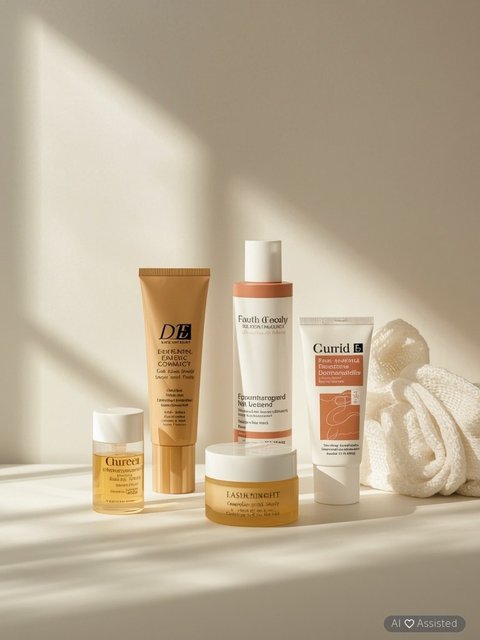
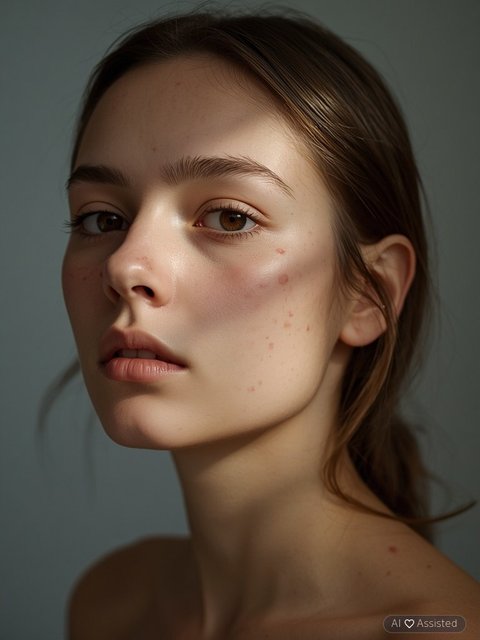
In modern dermatology and cosmetology, research laboratories are the cradle of groundbreaking discoveries. Specialists conduct highly specialized studies to develop innovative skincare concepts. These concepts aim not only to maintain the skin's optimal condition but also to promote regeneration after various types of skin damage. From the cellular level to natural extracts, science continuously provides new approaches for effective and evidence-based skincare.
In this comprehensive article, we will delineate the most up-to-date scientific findings alongside actionable recommendations. These insights will empower you to implement effective and scientifically validated practices for maintaining your skin's health and appearance in daily life. Discover how research findings directly translate into innovative products and care strategies that optimally support your skin.
Want to apply these guidelines in your daily diet?
Our smart diet generator creates a tailored meal plan in 3 minutes based on the recommendations in this article.
Fibroblasts: Key to Skin Regeneration
Fibroblasts are essential dermal cells that produce an intercellular substance containing, among other things, collagen and elastin. These proteins are crucial for the skin's structure, elasticity, and firmness. A recent discovery by scientists at King's College London concerns two specific types of fibroblasts: one responsible for hair growth, regulating the formation of hair follicles and controlling hair growth, and the other responsible for repairing damaged skin and improving its condition by controlling the formation of collagen fibers.
Further studies and tests are expected to confirm the use of fibroblast cells in treating skin damage. This could form the basis for developing innovative treatment methods, including skin regeneration, accelerating wound healing, and reducing scars. The targeted use of these cells holds immense potential for future dermatology.
Cherry Blossom Extract: A Soothing Agent for Skin
Cherry blossoms were traditionally used by women in Japan as a tonic to soothe various skin irritations. This prompted Chinese scientists from Guangzhou University to conduct research into the anti-inflammatory properties of cherry blossom extract. The antioxidants contained in cherries, particularly flavonoids, have a very strong positive effect on skin regeneration and overall improvement of its condition.
Following these observations, the researchers decided to investigate the cherry extract and its potential anti-inflammatory properties, which were indicated by its bioactive components. After conducting a series of both in vitro and in vivo studies, it was confirmed that cherry blossom extract exhibits anti-inflammatory and soothing effects on skin irritation. Therefore, it can serve as an active ingredient in skincare cosmetics for sensitive and irritated complexions, naturally alleviating and reducing inflammatory states.
Tomatoes: Beyond the Plate for Skin Health
Studies on tomatoes consistently show their beneficial effects on the skin. A new discovery highlights tomato seed oil, which possesses extraordinary regenerative and nourishing properties. It contains a rich array of antioxidants, vitamins, minerals, carotenoids (including the essential lycopene), valuable fatty acids, and many other beneficial substances.
This oil excellently regenerates the skin, deeply moisturizes it, helps combat the signs of aging (such as wrinkles and sagging skin), protects the skin from the harmful effects of solar radiation, and is also used in the treatment of acne. Tomato seed oil exhibits very high stability and good absorbability. Thanks to its numerous properties that positively influence skin condition, it is recommended in anti-aging creams, products for problematic skin, as well as for lips and hair. Interestingly, it also proves to be an excellent nourishing substance in tanning cosmetics.
Fermented Milk Products: Beneficial for Skin Health
In an experiment, Japanese scientists investigated the effects of milk fermented by the bacterium Lactococcus lactis strain H61 on the skin of healthy young women (19-21 years old). The women were divided into groups, with one group receiving fermented milk and a control group consuming yogurt, each over a period of 4 weeks.
After 4 weeks, studies were conducted regarding changes in skin condition. An improvement in skin hydration was observed in both groups. However, in the group that received fermented milk, an additional increase in sebum content in the skin of the cheeks was noted. Based on the conducted research, it can be concluded that consuming fermented dairy products significantly improves skin elasticity and hydration. Furthermore, products containing the Lactococcus lactis strain H61 lead to an increase in sebum content in the facial skin, which strengthens its protective layer and thus supports the skin barrier function.
Why Our Skin Wrinkles in Water
And finally, a little bit of curiosity: Have you ever wondered why, after a long bath or washing dishes, we notice strange-looking wrinkles on our fingers? The latest research on this topic shows that the process of forming these wrinkles is very complicated, and wrinkled skin has its specific functions and applications.
It turns out that the wrinkling of the fingertips is caused by the contraction of smooth muscles in the blood vessels, and the nervous system is involved in this process. In individuals who have lost sensation in their limbs due to injuries or after transplants, this phenomenon is not observed. A scientist from the Newcastle University Institute of Neuroscience put forward the concept that the wrinkles appearing on fingers under the influence of water serve to improve grip on objects. The channels formed on the fingertips facilitate water drainage and significantly improve adhesion to object surfaces. Studies presented in Biology Letters confirm this conclusion. Thus, nothing in nature exists without a reason.
Tags

Olivia Davis
✓Diets Premium Expert
Diets Premium team expert. Specializes in nutrition plans, strength sports, and training plans.
View Profile →