Carob - Characteristics, Application, Comparison to Cocoa

Tomasz Jankowski
✓
Diets Premium Expert • 20.03.2026
✓
Scientifically reviewed by a clinical dietitian:
This article has been peer-reviewed for adherence to IŻŻ, WHO, and PTGiP clinical nutritional standards.
| Diets Premium Expert Tomasz Jankowski | min read 6 min | Scientifically reviewed by a clinical dietitian 20.03.2026 |

Smart Voice
•Listen to the article content live
0:00
/
0:00
Key Takeaways
The history of carob consumption dates back to before Christ, yet not everyone has had the opportunity to familiarize themselves with this product, and its use in the kitchen remains a mystery. What is carob, what are its characteristics, and why is it frequently compared to cocoa? Please continue reading.
Meal Plan
Want to apply these guidelines in your daily diet?
Our smart diet generator creates a tailored meal plan in 3 minutes based on the recommendations in this article.
PRO Content
PRO
This article is professional premium content (PRO) provided in its entirety.
Carob – what is it?
Carob, also known as the carob tree, is a plant from the family of legumes (Leguminosae) that originated from the region of Oman. Although carob can also grow wild, the main cultivation areas are in the Mediterranean basin. The largest carob plantations are located in Italy and Portugal. Although not yet widespread in Poland, the worldwide production of carob exceeds 300,000 tons per year. A tree can produce up to 100–400 pods per year. The carob tree can reach a height of up to 15–18 meters and is characterized by its spreading crown, evergreen leaves, and thick bark on the trunk. The pods are the fruits of the carob tree and can reach a length of up to 20–25 cm and a width of about 2 cm, with a brown color with a slight purple hue. The inedible parts are the hard, grayish-brown seeds located inside the pods. It is believed that the first mentions of the consumption of carob can already be found in the Gospel of Matthew. The evangelist describes the meal of John the Baptist, who only ate honey and locusts in the desert of Judea. Although these insects also served as food at that time, it is assumed that the evangelist actually meant carob. Hence, the name carob is derived from the carob fruit.
Carob - Nutritional Value
Carob, which contains a significant amount of sugars (48-56% pulp, about 70% plant), dominates glucose, fructose and sucrose. The plant also contains starch and hemicellulose (a fraction of dietary fiber). Galactomannose is a valued ingredient of carob. Protein makes up 6% of pulp, whereas in cereals without a coating it is about 60% of the plant. Carob is a source of mineral components such as potassium, calcium and magnesium. The plant also contains selenium, which is often not consumed in sufficient quantities. Carob is also a source of polyphenols, which are a group of strong antioxidants. There is very little water in the pods of carob, only about 15%. D-pinitol is an important component found in carob.
Features of Carob
The fiber content in carob can be beneficial for individuals with elevated cholesterol levels in the blood due to its reducing effect. It is worth noting a significant decrease in the LDL fraction, which is considered the primary risk factor for cardiovascular diseases. Carob fiber also has a positive impact on digestion, improving intestinal peristalsis and preventing constipation. Through the presence of d-pinitol, carob also affects carbohydrate metabolism, working analogously to insulin and lowering blood sugar levels. This compound is also responsible for the increased synthesis of glycogen in muscles and the promotion of creatine transport in muscle tissue, enhancing the physical performance of athletes. It is also worth mentioning the excellent taste properties of carob, which are often compared to the taste of cocoa.
Application of carob
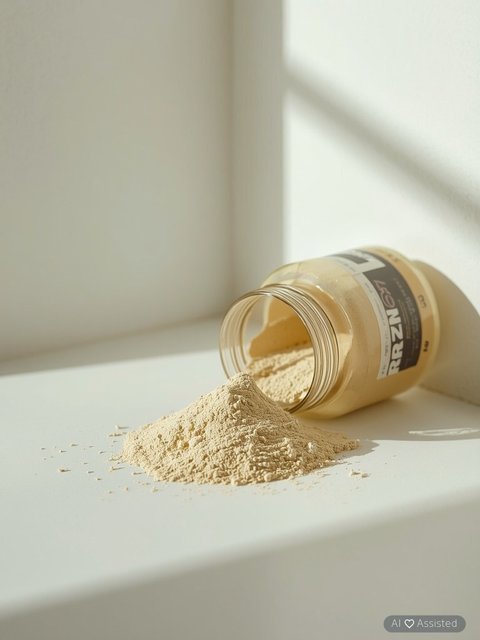
One of the characteristic features of carob seeds is their similar mass. In the past, this property was used by pharmacists and jewelers to determine the weight of various raw materials. Although this practice is no longer in use, it is interesting to know that the term carat originates from the seeds of the carob tree. Carob is a very productive plant that provides both seeds and fruits. Its structure also allows for the extraction of nutritional fiber, which is commonly used in the production of food. Due to its low environmental requirements, carob was a plant used during crop failures. According to the tradition of Mediterranean inhabitants, ground carob is used to prepare carob cocoa. It is also common to use ground carob as an addition to hot or cold milk. Carob is also used in the food industry for the production of gum and resin. Carob gum is obtained from galactomannan, which has strong thickening properties. It is used in ice cream and sauce factories. Carob is also a component of various products, such as cereal flakes, chocolate bars, chocolate-like products, teas, and herbal teas. The high sugar content in the carob fruit allows for the extraction of a special juice, called kaftan. This, in turn, is a component of syrups used in fruit preserves and alcoholic beverages such as liqueurs and wines. People who do not drink traditional coffee may be interested in its substitute, which is obtained from roasted and ground carob seeds. Carob fruit pulp is used for the production of flours used in diabetic products. Carob is gluten-free, so it can be used by people on a gluten-free diet. However, it is important for the manufacturer to provide information that the product is free from contamination with gluten-containing grains and gluten itself. Carob fiber is also used in baking. It has an impact on both the improvement of dough structure and the enhancement of the taste and aroma of baked goods. Thanks to its water-binding properties, bread with carob addition remains soft for a longer time and retains moisture during storage. Carob is also used to produce molasses, a sweetening substance that can be used as a substitute for sugar. Due to the nutritional value of carob and the profitability of cultivation, interest in its use as animal feed and as a substrate for bioethanol production is growing. Other industries that benefit from the properties of carob are the cosmetics or textile industries. Carob is also used by tobacco producers, paint manufacturers, and paper manufacturers.
Carob compared to cocoa - contrast and benefits
Carob bears resemblance to traditional cocoa but stands out with its delicate, sweet flavor compared to cocoa beans. In products resembling chocolate, it is appreciated as a cocoa substitute due to its hypoallergenic properties. Regrettably, cocoa is a rather common and potent allergen. Carob also contains less fat than cocoa, which is of significant importance for those watching their weight. Unlike cocoa, carob is devoid of caffeine. Cocoa also contains theobromine, which, when combined with caffeine as a psychoactive substance, can exert a stimulating effect, improving concentration and well-being. Both carob and cocoa contain a considerable amount of antioxidants. Carob and cocoa also exert a beneficial influence on the prevention of cardiovascular diseases. They positively impact the lipid profile by lowering the LDL cholesterol fraction. Although carob is not widely spread in Poland, it is worth considering its use in the diet. Considering its taste, health properties, as well as the positive impact on the texture and sensory qualities of bakery and confectionery products, one can notice many advantages. Additionally, the price for the package is relatively low, making it attractive for purchase and tasting. Although I do not encourage giving up cocoa, including carob in the diet seems highly advisable.

mgr Tomasz Jankowski
✓Diets Premium Expert
Diets Premium team expert. Specializes in nutrition plans, strength sports, and training plans.
View Profile →