3 min read

Capers – Properties and Uses. Why You Should Include Them in Your Diet

Sophia Williams
Sophia Williams ✓
Diets Premium Expert • 25.09.2026
✓
Scientifically reviewed by a clinical dietitian: This article has been peer-reviewed for adherence to IŻŻ, WHO, and PTGiP clinical nutritional standards.
Diets Premium Expert Sophia Williams min read 3 min Scientifically reviewed by a clinical dietitian 25.09.2026
Capers – Properties and Uses. Why You Should Include Them in Your Diet

Smart Voice

•

Listen to the article content live

0:00 / 0:00
Key Takeaways
Capers are a product that is either well known for years or not known at all and never tasted. This is a reason for change, because apart from the numerous medicinal properties it has, it is also characterized by its rich nutritional composition in terms of vitamins and minerals. Furthermore, it is a very low-calorie spice, which also seems to be an ideal supplement in reducing diets. It is a raw material that is worth getting to know and incorporating into daily nutrition.
Meal Plan

Want to apply these guidelines in your daily diet?

Our smart diet generator creates a tailored meal plan in 3 minutes based on the recommendations in this article.

Understanding capers: Profile, composition, and applications of the unripe flower buds of *Capparis spinosa*

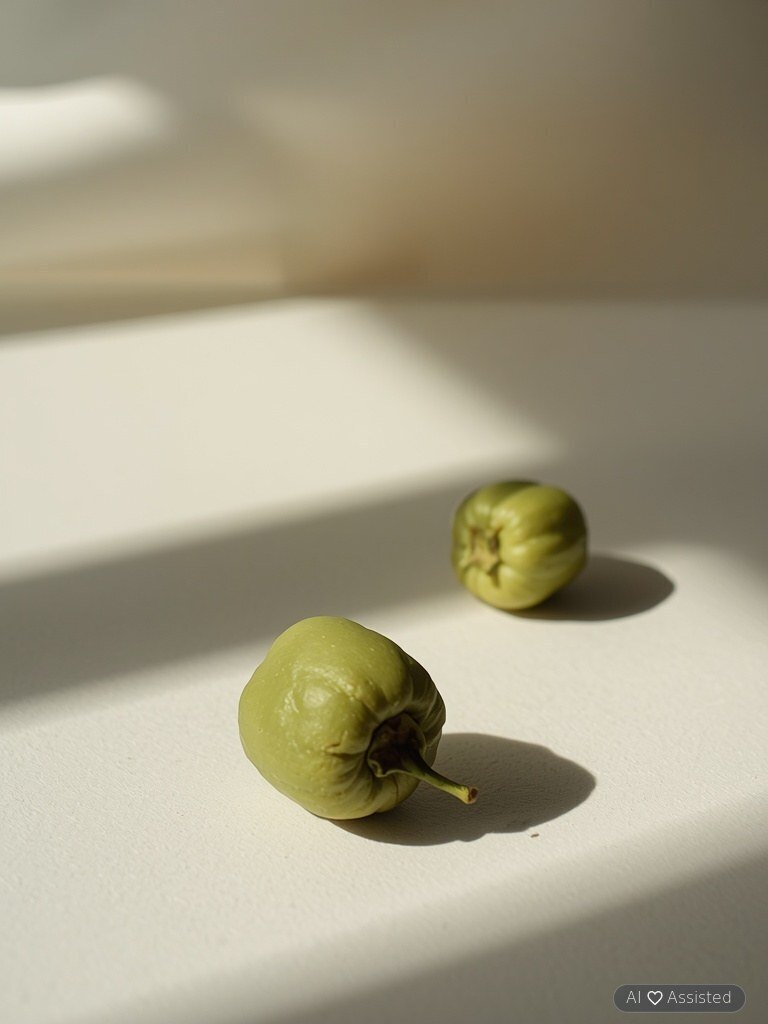
Capers represent the unopened floral buds of the *Capparis spinosa* L. plant—commonly referred to as the caper bush—which are traditionally preserved through brining in vinegar or salt solutions, or alternatively dried for long-term storage. While their primary contemporary role lies in serving as a pungent, flavor-enhancing ingredient in Mediterranean cuisine, historical records indicate their extensive use in folk medicine across diverse cultures as a multifunctional therapeutic agent. Chemically, their composition is dominated by water (approximately 83%), supplemented by an array of essential minerals—including magnesium, calcium, and potassium—as well as fat-soluble vitamins (predominantly provitamin A) and water-soluble vitamins (chiefly ascorbic acid). Of particular scientific interest are the bioactive polyphenols present in capers, such as flavonoids and phenolic acids, which exhibit documented antioxidant properties. From a nutritional standpoint, capers are distinguished by their exceptionally low caloric density, with a 100-gram serving providing merely 23–36 kilocalories, thereby positioning them as a favorable component in low-calorie dietary regimens.

Therapeutic applications and health benefits of capers in traditional medicine and contemporary nutrition

For centuries, capers have been esteemed in both folk medicine and contemporary scientific research owing to their multifaceted health-promoting properties. Historical records confirm their reputation as a natural aphrodisiac, as well as a diuretic agent facilitating fluid elimination and an expectorant aiding bronchial secretion clearance. Emerging evidence suggests that their bioactive compounds may alleviate rheumatic symptoms, enhance gastrointestinal function, and support hepatic detoxification processes. Furthermore, they demonstrate the capacity to mitigate bloating, stimulate protective mucus production within the digestive tract, and accelerate lipolysis—the breakdown of adipose tissue. The polyphenols present in capers exhibit potent antioxidant activity, which correlates with potential anticancer effects and a deceleration of cellular aging mechanisms. Additionally, they fortify vascular endothelial integrity, improve the bioavailability of essential micronutrients, and inhibit the oxidation of ascorbic acid, thereby prolonging its physiological efficacy. A particularly intriguing classification positions capers among *SIRT-activating foods*—a category that includes soy, green tea, turmeric, cruciferous vegetables, berries, parsley, chili peppers, and walnuts—all of which stimulate sirtuin proteins. These regulatory proteins modulate metabolic pathways, facilitate weight loss, and counteract the adverse consequences of poor dietary habits.

Practical applications of capers in culinary and medicinal contexts: usage tips, nutritional value, and health benefits

Owing to their intense and distinctive flavor profile, capers serve as an exceptional culinary enhancement, imparting depth and a signature pungency to a wide array of dishes. They are particularly prized as a refining component in classic preparations such as beef or fish tartare, salads featuring meats and cold cuts, and marinated fish or vegetable dishes. Their versatility extends to gelatine-based dishes, where they fulfill both a gustatory and ornamental function with equal aptitude. Within Mediterranean cuisine, capers assume a pivotal role, frequently incorporated into poultry, seafood, pizza, pasta, tomato-based sauces, and an assortment of salads. Moreover, they constitute an indispensable ingredient in the traditional French remoulade sauce, where their inclusion ensures a balanced and harmonious flavor composition. Given their elevated sodium content—which may adversely affect cardiovascular health—moderation in their use is advised. It is equally critical to avoid subjecting them to thermal processing methods such as boiling, stewing, or frying, as exposure to high temperatures compromises their unique taste attributes. When preparing hot dishes, capers should be added only at the final stage of cooking to preserve their aromatic integrity. In summary, capers merit a permanent place in dietary regimens not solely due to their low caloric density and nutrient richness but also because of their therapeutic properties, including anti-inflammatory effects and digestive support. Their unmistakable flavor further serves as an elegant enhancement to conventional dishes, introducing a sophisticated piquancy. Undoubtedly, they represent a foodstuff worthy of consideration when designing a diversified and health-conscious menu.
Sophia Williams

Sophia Williams

✓

Diets Premium Expert

Diets Premium team expert. Specializes in nutrition plans, strength sports, and training plans.

View Profile →

Recommended articles in this category

Related Articles

Discover similar publications and expert insights.

Rowanberry. Has Numerous Healing Properties and Is a Rich Source of Vitamins.
Rich In Nutrients
Rowanberry. Has Numerous Healing Properties and Is a Rich Source of Vitamins.
⏱ 2 min czytania
#Rich In Nutrients #Rich In B Vitamins
Effective kidney-purifying agents
Rich In B Vitamins
Effective kidney-purifying agents
⏱ 2 min czytania
#Rich In B Vitamins #Rich In Vitamins
Kohlrabi – Health Benefits, Nutritional Value, and Delicious Recipes
Nutritional Composition
Kohlrabi – Health Benefits, Nutritional Value, and Delicious Recipes
⏱ 4 min czytania
#Nutritional Composition #Nutritional Properties
Halibut – Nutrient Composition, Culinary Applications and Role in Diet
Nutrition
Halibut – Nutrient Composition, Culinary Applications and Role in Diet
⏱ 4 min czytania
#Nutrition #Nutritional Composition
Nutritional Profile of Bean Fat and Preparation Method
Cholesterol In Diet
Nutritional Profile of Bean Fat and Preparation Method
⏱ 5 min czytania
#Cholesterol In Diet #Cholesterol And Diet
Zucchini: Health benefits, nutritional value, vitamins and dietary recipes
Essential Nutrients
Zucchini: Health benefits, nutritional value, vitamins and dietary recipes
⏱ 4 min czytania
#Essential Nutrients #Nutritional Composition
Chicory roots - nutrient profile, attributes and utilization
Nutritional Composition
Chicory roots - nutrient profile, attributes and utilization
⏱ 2 min czytania
#Nutritional Composition #Blood Sugar Regulation
Carrots: a comprehensive guide to cultivar diversity, nutritional composition, and health-promoting attributes
Vegetables
Carrots: a comprehensive guide to cultivar diversity, nutritional composition, and health-promoting attributes
⏱ 5 min czytania 📚 Vegetables
#Nutritional Requirements #Nutritional Composition
Melilotus Honey: A Comprehensive Examination of Its Composition, Health Benefits, and Diverse Practical Applications
Food & Ingredients
Melilotus Honey: A Comprehensive Examination of Its Composition, Health Benefits, and Diverse Practical Applications
⏱ 2 min czytania 📚 Food & Ingredients
#Nutritional Composition #Health Benefits
Dried Saliva - Nutritional Composition, Effect, Types and Storage Techniques
Nutritional Composition
Dried Saliva - Nutritional Composition, Effect, Types and Storage Techniques
⏱ 4 min czytania
#Nutritional Composition #Health Benefits
Koumiss – traditional fermentation methods, nutritional biochemistry, and therapeutic properties of fermented mare's milk
Food & Ingredients
Koumiss – traditional fermentation methods, nutritional biochemistry, and therapeutic properties of fermented mare's milk
⏱ 4 min czytania 📚 Food & Ingredients
#Nutritional Composition Of Milk #Nutritional Composition
Turmeric (Curcuma longa): nutritional profile, mechanisms of action, piperine synergy, and functional culinary applications
Food & Ingredients
Turmeric (Curcuma longa): nutritional profile, mechanisms of action, piperine synergy, and functional culinary applications
⏱ 4 min czytania 📚 Food & Ingredients
#Bioactive Compounds In Plants #Anti-inflammatory Compounds
Almond milk – properties, nutritional composition, homemade preparation method, and a comprehensive comparative analysis with conventional cow’s milk
Dairy-Free Beverages
Almond milk – properties, nutritional composition, homemade preparation method, and a comprehensive comparative analysis with conventional cow’s milk
⏱ 5 min czytania 📚 Dairy-free Beverages
#Blood Glucose Regulation #Nutritional Composition
Atlantic Mackerel: Nutritional Profile, Health Benefits, and Culinary Preparation Techniques
Marine
Atlantic Mackerel: Nutritional Profile, Health Benefits, and Culinary Preparation Techniques
⏱ 4 min czytania 📚 Marine
#Nutritional Composition #Nutritional Ingredients
Alfalfa (Medicago sativa) – Therapeutic Properties, Biochemical Profile, and Dietary Uses of Sprouts
Functional Foods
Alfalfa (Medicago sativa) – Therapeutic Properties, Biochemical Profile, and Dietary Uses of Sprouts
⏱ 4 min czytania 📚 Functional Foods
#Nutritional Composition #Health Benefits
Lucuma – The Low-Glycemic Andean Fruit: Properties, Nutritional Value, and Dietetic Applications
Functional Foods
Lucuma – The Low-Glycemic Andean Fruit: Properties, Nutritional Value, and Dietetic Applications
⏱ 5 min czytania 📚 Functional Foods
#Nutritional Composition #Natural Sweetness
Raspberries – Health-Promoting Properties, Nutritional Profile, and Dietary Significance
Fruits
Raspberries – Health-Promoting Properties, Nutritional Profile, and Dietary Significance
⏱ 2 min czytania 📚 Fruits
#Nutritional Composition #Bioactive Compounds
Citrus Fruits, Lemon and Lime Juice: Phytochemical Composition, Vitamin C, Citric Acid, and Physiological Health Benefits
Nutritional Science
Citrus Fruits, Lemon and Lime Juice: Phytochemical Composition, Vitamin C, Citric Acid, and Physiological Health Benefits
⏱ 2 min czytania 📚 Nutritional Science
#Natural Sources Of Vitamin C #Trace Elements In The Body
Freeze-Drying (Lyophilization): Biophysical Mechanisms, Nutrient Retention, and Functional Applications
Nutritional Science
Freeze-Drying (Lyophilization): Biophysical Mechanisms, Nutrient Retention, and Functional Applications
⏱ 3 min czytania 📚 Nutritional Science
#Bioactive Compounds In Food #Nutritional Composition Of Fruits
Mustard: Nutritional Profile, Bioactive Glucosinolates, and an Authentic Homemade Artisan Recipe
Nutritional Composition
Mustard: Nutritional Profile, Bioactive Glucosinolates, and an Authentic Homemade Artisan Recipe
⏱ 3 min czytania
#Nutritional Composition #Traditional Recipe
Linoleic Acid (Omega-6): Essential Functions, Epidermal Permeability Barrier, and Dietary Ratios
Nutritional Science
Linoleic Acid (Omega-6): Essential Functions, Epidermal Permeability Barrier, and Dietary Ratios
⏱ 3 min czytania 📚 Nutritional Science
#Nutritional Impact On Health #Dietary Fats And Health
A comprehensive guide to meat selection: nutritional composition analysis and culinary techniques for informed consumers
Antimicrobial Resistance
A comprehensive guide to meat selection: nutritional composition analysis and culinary techniques for informed consumers
⏱ 3 min czytania
#Antimicrobial Resistance #Nutritional Composition
Algal microorganisms: biological characteristics and applied uses of spirulina and chlorella in scientific and industrial contexts
Algae
Algal microorganisms: biological characteristics and applied uses of spirulina and chlorella in scientific and industrial contexts
⏱ 4 min czytania 📚 Algae
#Dietary Supplementation #Nutritional Composition
Yellow Bell Pepper – Health Benefits, Lutein and Zeaxanthin, Nutritional Value, and Vitamin Profile
Food & Ingredients
Yellow Bell Pepper – Health Benefits, Lutein and Zeaxanthin, Nutritional Value, and Vitamin Profile
⏱ 3 min czytania 📚 Food & Ingredients
#Nutritional Composition #Nutritional Ingredients
Spelt: Nutritional Profile, Distinctive Traits, and Modern Product Availability
Food & Ingredients
Spelt: Nutritional Profile, Distinctive Traits, and Modern Product Availability
⏱ 5 min czytania 📚 Food & Ingredients
#Nutritional Composition #Ancient Grain
Common Walnut (Juglans regia): botanical characteristics, nutritional composition, and both time-honored and contemporary culinary applications
Food & Ingredients
Common Walnut (Juglans regia): botanical characteristics, nutritional composition, and both time-honored and contemporary culinary applications
⏱ 6 min czytania 📚 Food & Ingredients
#Nutritional Composition #Nutritional Ingredients
Peppers (Genus Capsicum) – Vitamin C Powerhouse, Antioxidant Profile, and Culinary & Therapeutic Applications
Food & Ingredients
Peppers (Genus Capsicum) – Vitamin C Powerhouse, Antioxidant Profile, and Culinary & Therapeutic Applications
⏱ 2 min czytania 📚 Food & Ingredients
#Nutritional Composition #Traditional Medicine
Olive oil – biochemical composition and nutritional properties
Nutritional Properties
Olive oil – biochemical composition and nutritional properties
⏱ 3 min czytania
#Nutritional Properties #Antioxidants
Cashew nuts – Complete nutritional profile and distinctive features of the planet’s most wholesome snack
Food & Ingredients
Cashew nuts – Complete nutritional profile and distinctive features of the planet’s most wholesome snack
⏱ 2 min czytania 📚 Food & Ingredients
#Nutritional Composition #Nutritional Benefits
Avocado oil – nutritional composition, health-promoting properties, and applications in culinary arts and skincare
Polyunsaturated Fatty Acids
Avocado oil – nutritional composition, health-promoting properties, and applications in culinary arts and skincare
⏱ 4 min czytania
#Polyunsaturated Fatty Acids #Nutritional Composition

Share