4 min read

Bioflavonoids – Their Effect on the Organism and Sources

Felix Weber
Felix Weber ✓
Diets Premium Expert • 24.09.2026
✓
Scientifically reviewed by a clinical dietitian: This article has been peer-reviewed for adherence to IŻŻ, WHO, and PTGiP clinical nutritional standards.
Diets Premium Expert Felix Weber min read 4 min Scientifically reviewed by a clinical dietitian 24.09.2026
Bioflavonoids – Their Effect on the Organism and Sources

Smart Voice

•

Listen to the article content live

0:00 / 0:00
Key Takeaways
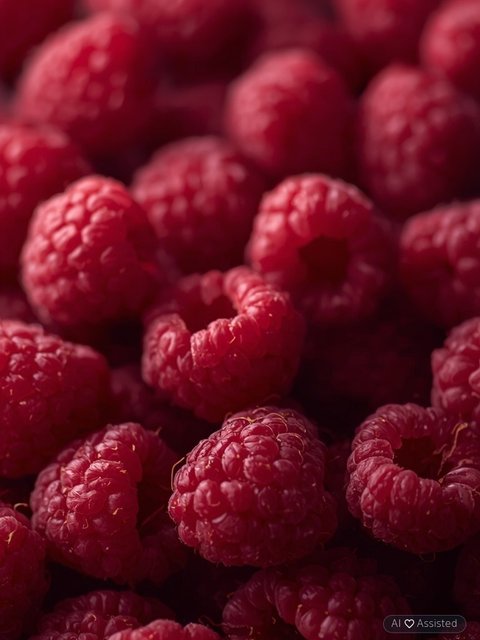
Vegetables and fruits with intense colors, such as the purple berry, the strawberry, the orange, the cherry, as well as other products such as soy, dark chocolate, red wine, and green tea, are not only fascinating components of the daily diet, but also a rich source of bioflavonoids, whose action in the prevention of cardiovascular and eye diseases is significant.
Meal Plan

Want to apply these guidelines in your daily diet?

Our smart diet generator creates a tailored meal plan in 3 minutes based on the recommendations in this article.

Biologically active flavonoid compounds from the class of plant-derived polyphenols

Bioflavonoids constitute an extensive class of naturally occurring polyphenolic compounds whose biological activity—particularly their antioxidant capacity—may vary significantly depending on the specific chemical configuration. These secondary plant metabolites are primarily biosynthesized within plant tissues in response to elevated solar radiation, where they serve a protective role against oxidative damage. Their distribution within plant organisms is predominantly concentrated in the outer layers of fruits and vegetables, including the peel, cellular membranes, and pulp, where they not only dictate pigmentation but also contribute substantively to the sensory profile—encompassing both aroma and flavor. From a chemical standpoint, flavonoids are categorized into several structural subgroups, among which the most notable include flavonols (e.g., quercetin), flavanols (catechins), flavanones (such as naringenin), isoflavones (genistein), anthocyanins (blue-purple pigments), and flavones (luteolin). Their pleiotropic health-promoting effects—which encompass modulation of inflammatory responses, enhancement of vascular integrity, and scavenging of reactive oxygen species—render them highly suitable for applications in both dietary prevention and adjunctive therapeutic regimens, where they function as natural bioactive agents with well-documented physiological benefits.

Bioflavonoids: Mechanisms of Action and Evidence-Based Health Benefits from Clinical Research

A substantial body of scientific literature documents the beneficial effects of individual polyphenolic compounds on various facets of human health. Clinical evidence confirms that flavonoids exhibit potent antioxidant properties, protecting—among other structures—the retinal tissue of the eye from oxidative damage, which may significantly reduce the risk of developing degenerative ocular diseases, particularly in elderly populations. Green tea, rich in catechins, plays a particularly notable role, with its effects substantiated in controlled trials. In a study involving Japanese children with overweight or obesity who received a daily dose of 576 mg of catechins (equivalent to five cups of green tea) over a 24-week period, researchers observed statistically significant reductions in waist circumference, systolic blood pressure, and low-density lipoprotein (LDL) concentrations. Furthermore, one of the primary catechins—epigallocatechin gallate—demonstrates the capacity to modulate inflammatory responses within blood vessels by enhancing nitric oxide synthesis, which suppresses the release of pro-inflammatory mediators from endothelial cells, thereby inhibiting the early stages of inflammatory processes.

Dietary origins of bioflavonoids: a comprehensive botanical and nutritional analysis

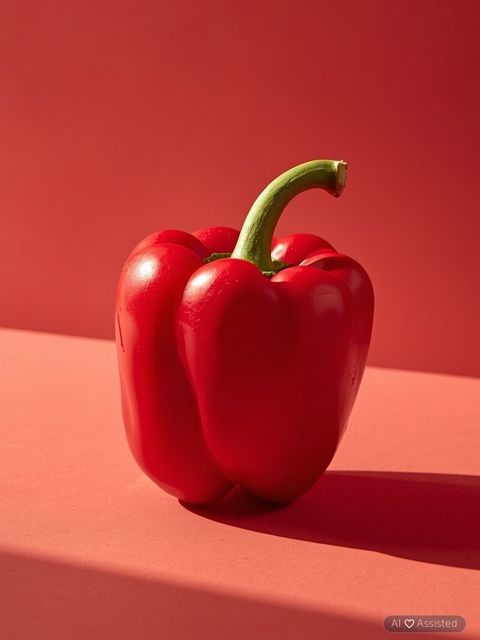
Diverse food products—including select vegetables, fruits, leguminous seeds, herbal infusions, fermented beverages, and cocoa—constitute the primary dietary sources of polyphenolic compounds with well-documented health-promoting properties. Drawing from epidemiological research and biochemical analyses, nutritional guidelines have been formulated to advocate for the daily inclusion of these components in one’s diet, irrespective of the specific antioxidant profiles of individual items. The table below categorizes the principal subclasses of bioflavonoids, enumerating their core metabolites and pinpointing the plant species in which these compounds are most abundantly concentrated. The compilation includes: **flavonols** (exemplified by quercetin, kaempferol, and myricetin, found in elderberries, apples, and red onions), **flavanols** (with predominant catechins in tea, red wine, and dark chocolate), **flavanones** (naringenin in citrus fruits), **isoflavones** (genistein in soy-based products), **anthocyanins** (cyanidin in bilberries and chokeberries), and **flavones** (luteolin in celery and bell peppers). Synthesizing the available evidence, it is evident that a polyphenol-rich, balanced diet—when paired with wholesome eating habits and consistent physical activity—facilitates the enhancement of health metrics at the population level.
mgr Felix Weber

mgr Felix Weber

✓

Diets Premium Expert

Diets Premium team expert. Specializes in nutrition plans, strength sports, and training plans.

View Profile →

Recommended articles in this category

Related Articles

Discover similar publications and expert insights.

Freeganism: The Flavor of Food from Waste
Cake
Freeganism: The Flavor of Food from Waste
⏱ 3 min czytania
#Cake #Breakfast
Dependency-inducing attributes of confectionery products
Healthy Sweets
Dependency-inducing attributes of confectionery products
⏱ 2 min czytania 📚 Healthy Sweets
#Waffles #Filling
Green Bell Pepper – Health Benefits, Vitamins, Caloric Value, and Culinary Uses
Food & Ingredients
Green Bell Pepper – Health Benefits, Vitamins, Caloric Value, and Culinary Uses
⏱ 3 min czytania 📚 Food & Ingredients
#Bell Peppers #Bell Pepper
Influence of coffee consumption on athletic performance
Athletic Performance
Influence of coffee consumption on athletic performance
⏱ 5 min czytania
#Athletic Performance #Energy Drinks
Pumpkin
Nutrition
Pumpkin
⏱ 2 min czytania 📚 Nutrition
#Carotenoids #Vitamin C
Is it truly the reason that cocoa is not only delicious, but also healthier?
Health
Is it truly the reason that cocoa is not only delicious, but also healthier?
⏱ 3 min czytania 📚 Health
#Cardiovascular Diseases #Chocolate
Dark Chocolate: Composition, Properties and Impact on Pregnancy and Diabetes
Pregnancy & Motherhood
Dark Chocolate: Composition, Properties and Impact on Pregnancy and Diabetes
⏱ 4 min czytania 📚 Pregnancy & Motherhood
#Calories #Carbohydrates
Cynthia Sass' flat-belly diet plan - rules, ingredients and effects
Dark Chocolate
Cynthia Sass' flat-belly diet plan - rules, ingredients and effects
⏱ 5 min czytania
#Dark Chocolate #Fatty Acids
Dragon fruit (pitaya) - properties, application, flavor
Strawberry
Dragon fruit (pitaya) - properties, application, flavor
⏱ 3 min czytania
#Strawberry #Superfood
Why it is beneficial to incorporate strawberries into your diet and in which dishes they excel
Fruits
Why it is beneficial to incorporate strawberries into your diet and in which dishes they excel
⏱ 6 min czytania 📚 Fruits
#Beverages #Strawberry
Delicious recipes with fresh strawberry fruits
Fruits
Delicious recipes with fresh strawberry fruits
⏱ 4 min czytania 📚 Fruits
#Strawberries #Fresh
Comparison of Açaí Berries with Goji Berries – Discover the Differences
Nutrition
Comparison of Açaí Berries with Goji Berries – Discover the Differences
⏱ 3 min czytania 📚 Nutrition
#Health Benefits #Cooking
Bilberries – Properties, Recipes
Bilberry
Bilberries – Properties, Recipes
⏱ 5 min czytania
#Bilberry #Blueberry
Berry Beverage – Benefits.. Is it possible to prepare a berry beverage without having juice?
Strawberries
Berry Beverage – Benefits.. Is it possible to prepare a berry beverage without having juice?
⏱ 4 min czytania
#Strawberries #Antioxidant
Lemon juice properties... do they genuinely have any adverse effects?
Mediterranean
Lemon juice properties... do they genuinely have any adverse effects?
⏱ 5 min czytania
#Mediterranean #Citrus
Honeysuckle Berry – Varieties, Properties, Preserves… Honeysuckle Berry Liqueur
Nutrition
Honeysuckle Berry – Varieties, Properties, Preserves… Honeysuckle Berry Liqueur
⏱ 4 min czytania 📚 Nutrition
#Health Benefits #Polyphenols
Local Berries
High Fiber
Local Berries
⏱ 2 min czytania
#High Fiber #Dietary Fiber
Dehydrated cranberry – characteristics, calories, price... How to dehydrate cranberries?
Health Benefits
Dehydrated cranberry – characteristics, calories, price... How to dehydrate cranberries?
⏱ 4 min czytania
#Health Benefits #Nutritional Content
Distinctive traits of raspberries – evidence-based preservation techniques for winter storage
Fruits
Distinctive traits of raspberries – evidence-based preservation techniques for winter storage
⏱ 4 min czytania 📚 Fruits
#Seasonal Vegetables #Bioactive Compounds
Strawberries – Nutritional Value, Health-Promoting Properties, and Clinical Dietary Applications
Fruits
Strawberries – Nutritional Value, Health-Promoting Properties, and Clinical Dietary Applications
⏱ 2 min czytania 📚 Fruits
#Fruit-based Desserts #Seasonal Produce
Red Bell Pepper – Nutritional Composition, Bioactive Compounds, Caloric Profile, and Culinary Benefits
Food & Ingredients
Red Bell Pepper – Nutritional Composition, Bioactive Compounds, Caloric Profile, and Culinary Benefits
⏱ 2 min czytania 📚 Food & Ingredients
#Nutritional Composition #Bioactive Compounds
Wild berries and bilberries – health-promoting properties and comprehensive applications in diet and natural medicine
Food & Ingredients
Wild berries and bilberries – health-promoting properties and comprehensive applications in diet and natural medicine
⏱ 3 min czytania 📚 Food & Ingredients
#Bioactive Compounds #Natural Pigments
10 Ways to Quit Sweets
Sweet Treats
10 Ways to Quit Sweets
⏱ 5 min czytania
#Sweet Treats #Chocolate
How to Avoid Weight Gain During Easter
Weight Gain
How to Avoid Weight Gain During Easter
⏱ 2 min czytania
#Weight Gain #Eggs
White Chocolate Product – Composition, Nutritional Value and Impact on Diet
Nutritional Value
White Chocolate Product – Composition, Nutritional Value and Impact on Diet
⏱ 3 min czytania
#Nutritional Value #Nutrition
Why Can Eating a Chocolate Bar Be More Beneficial Than Eating an Apple? The Problem of Stress-Induced Overeating
Behavioral Health
Why Can Eating a Chocolate Bar Be More Beneficial Than Eating an Apple? The Problem of Stress-Induced Overeating
⏱ 8 min czytania 📚 Behavioral Health
#Eating Disorders #Weight Gain
6 Effects of Chocolate Consumption on Health
Health
6 Effects of Chocolate Consumption on Health
⏱ 1 min czytania 📚 Health
#Easy #Chocolate
Coconut Chips and Flakes – Health Properties, Nutrition, and Calories
Nutritional Values
Coconut Chips and Flakes – Health Properties, Nutrition, and Calories
⏱ 3 min czytania
#Nutritional Values #Sweet Treats
Chocolate Allergy - Symptoms. How to treat a chocolate allergy?
Allergy
Chocolate Allergy - Symptoms. How to treat a chocolate allergy?
⏱ 2 min czytania 📚 Allergy
#Cocoa Content #Desserts
A dietary revolution: how to effectively cut back on sugar intake
Sugar Consumption
A dietary revolution: how to effectively cut back on sugar intake
⏱ 3 min czytania
#Sugar Consumption #Sweet Treat

Share