CLINICAL KNOWLEDGE MAGAZINE
5 min read
Asparagus – Varieties, attributes, preparation and recipes

Kacper Nowak
✓
Diets Premium Medical Expert • 24.09.2026
✓
Scientifically reviewed by a clinical dietitian:
This article has been peer-reviewed for adherence to IŻŻ, WHO, and PTGiP clinical nutritional standards.
| CLINICAL KNOWLEDGE MAGAZINE CLINICAL KNOWLEDGE MAGAZINE | min read 5 min |
| Diets Premium Medical Expert Kacper Nowak | Scientifically reviewed by a clinical dietitian 24.09.2026 |
Smart Voice
•Listen to the article content live
0:00
/
0:00
Key Takeaways
There are numerous varieties of asparagus, which differ in color depending on the level of sun exposure of the area where they are cultivated. Furthermore, asparagus is regarded as an aphrodisiac, which is an ideal choice for romantic dinners for two. Their taste and aroma make them increasingly popular.
Meal Plan
Want to apply these guidelines in your daily diet?
Our smart diet generator creates a tailored meal plan in 3 minutes based on the recommendations in this article.
Asparagus variants with a maximum stalk diameter not exceeding 10 millimeters
The cultivation of asparagus traces its origins to ancient Rome, where it was prized not only for its distinctive flavor profile but also for its salutary properties. Classified under the genus *Asparagus L.*, it earned the distinction of being a "royal vegetable," frequently presented at the court of Louis XIV. In contemporary gastronomy, asparagus remains a sought-after ingredient, inspiring the creation of inventive dishes centered around its tender, edible shoots. A notable botanical adaptation of asparagus is the reduction of its leaves into small, scale-like formations. The term "asparagus" derives from the Greek *aspháragos*, which translates to "a young, vigorously growing stalk."
The diversity of asparagus: characteristics and culinary applications of major cultivated and wild-growing varieties
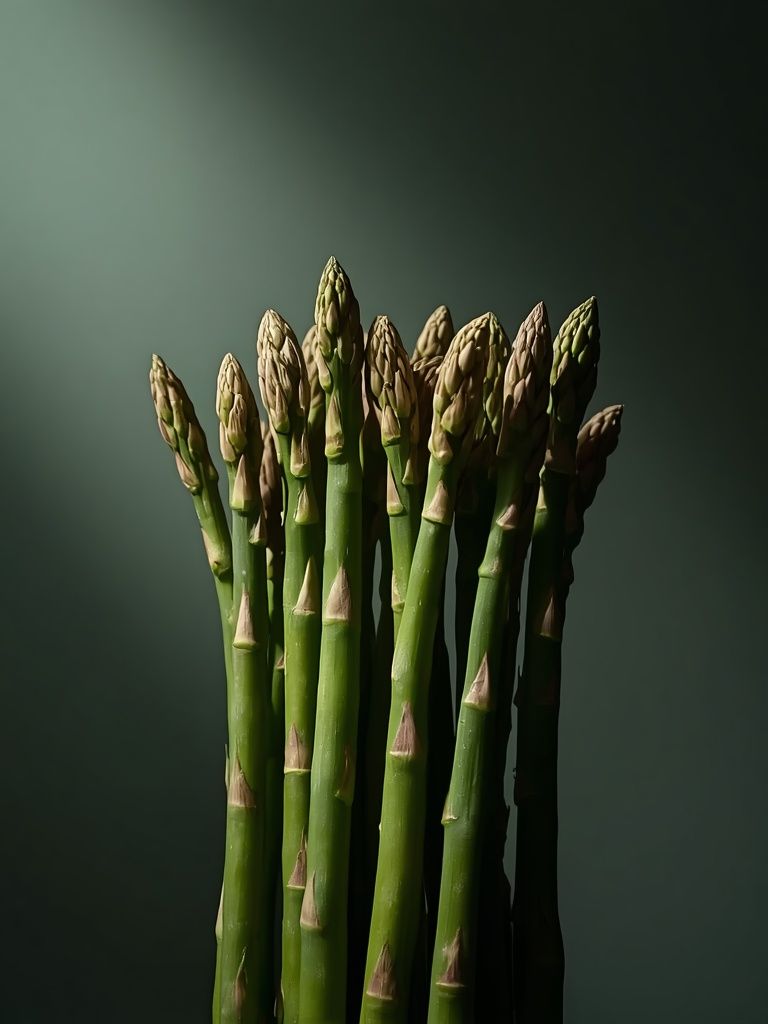
The contemporary food market offers a broad spectrum of asparagus varieties that differ not only in color but also in cultivation techniques, flavor profiles, and culinary applications. In Europe, white asparagus predominates, grown beneath the soil in meticulously constructed mounds that block sunlight and inhibit chlorophyll production—hence its distinctive creamy hue. This variety is prized for its delicate, subtly sweet taste, which is particularly valued in regional cuisines. Conversely, North American markets favor green asparagus, cultivated in open fields with full sun exposure, promoting robust photosynthesis and yielding a vibrant green pigmentation. Its spears tend to be more slender, while its flavor is more pronounced, sometimes carrying a hint of bitterness. Less common but highly esteemed by connoisseurs is the purple variety—a hybrid of white and green asparagus—featuring thicker stalks and a mildly nutty undertone, frequently incorporated into sophisticated Mediterranean dishes. Additionally, wild asparagus, though not commercially cultivated, remains a cherished ingredient in traditional recipes across certain regions, where it is hand-foraged in its natural habitat.
Asparagus: A comprehensive analysis of its nutritional benefits and health-promoting properties
Asparagus is classified among vegetables distinguished by an exceptionally low energy density—providing only 20 kilocalories per 100 grams of fresh produce. However, its nutritional value extends far beyond its minimal caloric content, primarily due to its high dietary fiber concentration, which significantly enhances intestinal peristalsis and regulates digestive processes, thereby mitigating the risk of constipation. It serves as an invaluable source of vitamin K, which is essential for proper blood coagulation and the maintenance of skeletal integrity, as well as folic acid (folate), a critical nutrient for fetal development and neurological function. Additionally, asparagus contains a comprehensive array of B-complex vitamins—including thiamine (B1), riboflavin (B2), and niacin (B3)—alongside vitamin C, which bolsters immune defense mechanisms, and vitamin A (in the form of beta-carotene), which supports visual acuity and cutaneous resilience. The presence of potent antioxidants such as glutathione, polyphenols, and flavonoids protects cellular structures from oxidative damage induced by reactive oxygen species, a mechanism that may contribute substantially to cancer prevention. Asparagus is further characterized by its rich profile of macro- and micronutrients: potassium, which modulates blood pressure; calcium, which fortifies bone density; magnesium, which alleviates muscle spasms; phosphorus, which is indispensable for cellular energy metabolism; fluoride, which promotes dental health; and iron, which prevents anemia. Regular consumption exerts a beneficial effect on the cardiovascular system by reducing the likelihood of atherosclerosis and hypertension, while its diuretic properties facilitate the elimination of excess fluid, thereby diminishing tissue edema. Moreover, bioactive compounds in asparagus exhibit analgesic properties, particularly in the context of menstrual discomfort, and exert a calming influence on the nervous system owing to the presence of natural anxiolytic agents. An additional advantage lies in its high glutathione content—a tripeptide with robust detoxifying capabilities that assists hepatic function in toxin neutralization and drug metabolism.
The definitive guide to cooking asparagus perfectly: A step-by-step methodology
Preparing asparagus is a meticulous process that demands attention to detail, yet the reward is an unparalleled flavor and texture that justifies the effort. The key lies in using a tall, narrow pot that allows the delicate tips to protrude above the boiling water, preventing them from over-softening while the thicker stems retain a satisfying firmness. Cooking asparagus upright is the preferred method, ensuring even doneness throughout. Specialized kitchen tools, such as asparagus pots and peelers, are available in select stores and can significantly streamline the preparation. White asparagus requires peeling with a vegetable peeler, whereas green asparagus can typically be cooked unpeeled—though both varieties necessitate trimming the woody, fibrous ends. To maintain the bundle’s integrity during cooking, the stalks can be loosely tied with kitchen twine, which also facilitates easier removal from the pot. The water should be lightly salted, with optional additions of sugar or a small amount of butter to enhance flavor. Cooking time varies by stalk thickness: green asparagus reaches optimal tenderness in 8–12 minutes, while white asparagus requires 12–18 minutes. Overcooking must be avoided, as it leads to a mushy texture and structural breakdown. Doneness is best tested by gently piercing a stalk with a fork—it should glide in smoothly without resistance but hold its shape without crumbling.
Asparagus culinary guide: classic and baked recipes with step-by-step preparation
A culinary compendium featuring two refined asparagus preparations:
1) **Asparagus with Dutch sauce** – tender, steam-cooked vegetables paired with a velvety, citrus-infused butter emulsion, ideal as an elegant accompaniment to main courses.
2) **Baked asparagus in béchamel sauce with leeks** – a hearty, fragrant dish layered with vegetables, rich cheese sauce, and a golden-brown crust.
Both recipes incorporate multiple cooking techniques (steaming, grilling, baking), precise ingredient ratios, and seasoning guidance. Additionally, the **nutritional profile of asparagus** is discussed—highlighting its vitamin content (K, A, C, B-complex), mineral richness (potassium, phosphorus, magnesium), and bioactive compounds that support detoxification, digestion, and cardiovascular health. The instructions cater to both novice and experienced cooks, with adaptable methods (e.g., substituting grilling with oven-roasting).
Tags
Kacper Nowak
Diets Premium Medical Expert
Member of the Diets Premium clinical editorial board. Specializes in medical diet therapy, metabolic health, and nutritional planning.
View Profile →