PRO
CLINICAL KNOWLEDGE MAGAZINE
7 min read
Ashwagandha: Effects, Ingredients, Uses and Potential Side Effects

Katarzyna Mazur
✓
Diets Premium Medical Expert • 25.09.2026
✓
Scientifically reviewed by a clinical dietitian:
This article has been peer-reviewed for adherence to IŻŻ, WHO, and PTGiP clinical nutritional standards.
| CLINICAL KNOWLEDGE MAGAZINE CLINICAL KNOWLEDGE MAGAZINE | min read 7 min |
| Diets Premium Medical Expert Katarzyna Mazur | Scientifically reviewed by a clinical dietitian 25.09.2026 |

Smart Voice
•Listen to the article content live
0:00
/
0:00
Key Takeaways
Content.
Meal Plan
Want to apply these guidelines in your daily diet?
Our smart diet generator creates a tailored meal plan in 3 minutes based on the recommendations in this article.
PRO Content
PRO
This article is professional premium content (PRO) provided in its entirety.
Winter Cherry (Ashwagandha): An Ancient Adaptogen with Contemporary Therapeutic Relevance
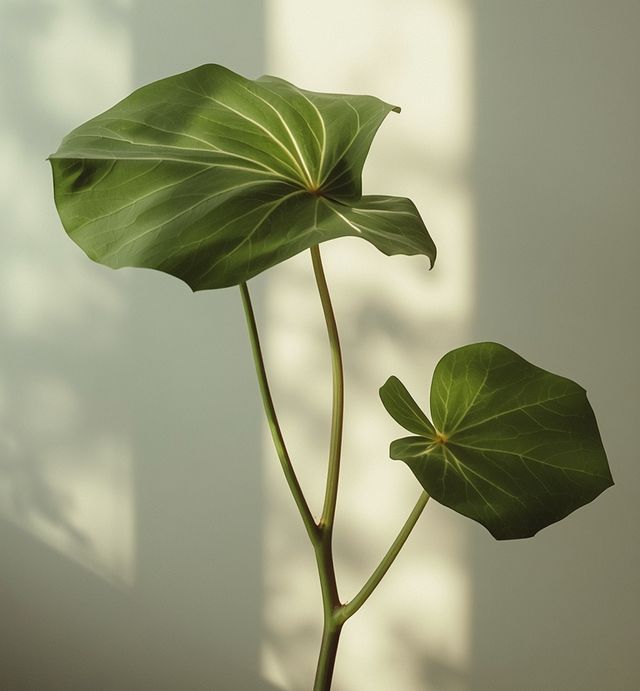
*Withania somnifera* (L.) Dunal, commonly referred to as **Ashwagandha** (from the Sanskrit *ashva*, meaning "horse," and *gandha*, meaning "smell," alluding to its root’s distinctive equine-like aroma) or **Indian ginseng**, is a botanical cornerstone of **Ayurvedic medicine** with a therapeutic legacy spanning over **three millennia**. Alternative vernacular names include **winter cherry**, **Samm al Ferakh** (Arabic), and **Kanaje Hindi** (North Indian dialects). Taxonomically, it belongs to the **Solanaceae** family—shared with tomatoes and potatoes—yet distinguishes itself through its **pharmacologically active constituents**. Indigenous to **India**, where it has been cultivated on an industrial scale for centuries, Ashwagandha also thrives in neighboring regions such as **Iran, Pakistan, Afghanistan, Sri Lanka, and Bangladesh**, with sporadic occurrences in **southeastern Europe** (e.g., Greece) and **North Africa**, particularly **Egypt**, where it adapts to arid, semi-desert climates. Morphologically, it presents as an **erect shrub reaching up to 1.5 meters in height**, characterized by slightly pubescent stems. During its flowering phase, it produces **small, bell-shaped, yellow-green blossoms**, which subsequently develop into **vibrant red or deep orange berries** encased in a persistent, papery calyx. **The primary medicinal components** are the **root** (abundant in withanolides, alkaloids, and saponins) and **fruit**, though leaves are occasionally utilized in certain formulations. Within **Ayurveda**, Ashwagandha has been revered for **over 3,000 years** as a **rasayana** (rejuvenating and longevity-promoting agent) and an **adaptogen** (a substance enhancing stress resilience). Contemporary clinical research corroborates its **neuroprotective, anxiolytic, immunomodulatory, and anti-inflammatory properties**, cementing its status as a **evidence-supported botanical** for maintaining physiological and psychological homeostasis in modern integrative medicine.
Bioactive constituents of Ashwagandha (*Withania somnifera*) – pharmacological composition and mechanistic profiles
Phytochemical investigations have established that the principal secondary metabolites found in *Withania somnifera* (commonly known as ashwagandha) are categorized as **withanolides**—a class of steroidal lactones exhibiting well-documented bioactivity. The archetypal compound within this group is **withaferin A**, whose molecular framework is characterized by a lactone moiety. Empirical evidence confirms that withanolides extracted from the aerial parts of the plant demonstrate **broad-spectrum antimicrobial activity** (effective against both Gram-positive and Gram-negative bacteria) as well as **antitumor properties**, primarily through the induction of apoptosis in malignant cells via modulation of signaling pathways (e.g., p53, NF-κB). Additionally, these compounds exhibit **antimitotic effects**, inhibiting cellular replication by disrupting the M-phase of the cell cycle—a mechanism leveraged in adjunctive cancer therapies. A further clinically relevant effect is the **reduction of arterial blood pressure**, mediated through interactions with the renin-angiotensin-aldosterone system (RAAS).
The roots of *Withania somnifera* are particularly rich in **glycowithanolides**—glycosylated derivatives of withanolides, including **withanosides (e.g., withanoside IV and VII)** and **sitoindosides (e.g., sitoindoside IX)**. These constituents function as **adaptogens**, displaying robust **antioxidant capacity** (scavenging reactive oxygen and nitrogen species) and **detoxifying properties** (upregulating Phase II xenobiotic-metabolizing enzymes in the liver). Their neuroprotective mechanisms involve **modulation of the hypothalamus-pituitary-adrenal (HPA) axis**, which underpins their **antidepressant and anxiolytic effects**, alongside enhancements in cognitive performance—particularly **long-term memory consolidation and associative learning**. *In vivo* research further corroborates their role in **neurodegenerative disease prevention** (Alzheimer’s, Parkinson’s) by inhibiting tau protein aggregation and mitigating oxidative stress in neuronal tissues. Glycowithanolides also exert **gastroprotective actions**, diminishing the incidence of **stress-induced gastric ulcers** and NSAID-associated mucosal damage.
Beyond withanolides, ashwagandha roots contain **alkaloids** (predominantly **isopelletierine, anaferine**, and trace amounts of **nicotine**), **phytosterols** (e.g., **β-sitosterol**, campesterol), **coumarins** (esculin, scopoletin), and **phenolic acids**—with **chlorogenic acid** (CGA) and its derivatives being most abundant. The elevated concentration of **non-heme iron** (approximately 3–5 mg per 100 g dry weight) promotes **erythropoiesis**, enhancing **hemoglobin synthesis**, **erythrocyte count**, and **leukocyte activity**—positioning ashwagandha as a potential adjunct in the management of **nutritional anemia**.
Ashwagandha: Comprehensive Mechanisms of Action and Health Benefits
Upon examining the multifaceted therapeutic potential of *Withania somnifera*—commonly referred to as "Indian ginseng"—one may legitimately classify it as a cornerstone of Ayurvedic polypharmacy. Historically, preparations derived from this adaptogenic herb were employed to address rheumatic disorders, persistent cough, cognitive decline, and both physical and mental fatigue, in addition to various dermatological conditions. Contemporary scientific validation corroborates its broad-spectrum efficacy, encompassing several key domains: **immune system modulation**—exhibiting both immunostimulatory and immunosuppressive properties, thereby offering therapeutic utility in autoimmune pathologies; **neurocognitive and psychotropic effects**—demonstrating anxiolytic and nootropic activities that mitigate oxidative neuronal damage, enhance sleep architecture without daytime somnolence, and alleviate symptoms of mood disorders such as depression, generalized anxiety, and psychotic episodes; **anti-aging and rejuvenative properties**—through attenuation of free radical activity and stimulation of collagen biosynthesis, resulting in decelerated tissue senescence and preservation of hair pigmentation; **enhancement of physical performance**—augmenting muscular endurance, reducing motor response latency, and improving psychomotor coordination, rendering it a valuable supplement for athletes and physically active individuals; **endocrine homeostasis**—supporting thyroid function in hypothyroid conditions, regulating menstrual cyclicity, and improving fertility metrics in both sexes; **cardiometabolic optimization**—lowering LDL cholesterol and triglyceride concentrations while elevating HDL levels, stabilizing glycemic control, and conferring protection against atherosclerotic progression; **detoxification and visceral organ support**—exhibiting diuretic effects that facilitate toxin elimination, promoting hepatic and renal regeneration, and attenuating symptoms of chronic inflammatory respiratory conditions such as asthma and allergic rhinitis.
Examining Ashwagandha’s Impact on Thyroid Function: Benefits for Hypothyroidism and Hashimoto’s Thyroiditis
Ashwagandha, scientifically known as *Withania somnifera*, has garnered significant attention among individuals diagnosed with thyroid dysfunctions, particularly hypothyroidism and Hashimoto’s thyroiditis—an autoimmune disorder. Extensive clinical research demonstrates that consistent supplementation with this adaptogenic herb leads to a marked reduction in cortisol, the primary stress hormone, while concurrently facilitating the stabilization of thyroxine (T4) levels, a critical thyroid hormone. Owing to its multifaceted pharmacological properties, ashwagandha effectively alleviates the persistent and debilitating symptoms associated with these conditions, including chronic fatigue, compromised immune function, hormone-induced mood fluctuations, disruptions in circadian sleep patterns, menstrual irregularities, fertility challenges, and impairments in cognitive focus and memory retention.
Ashwagandha formulations compared: powdered root, concentrated extract, and capsule forms – a comprehensive guide to selection and usage
The root of Withania somnifera, commonly referred to as ashwagandha, contains the highest concentration of pharmacologically active compounds among all parts of the plant. Online retailers offer this botanical supplement in multiple formats—ranging from whole dried roots to processed extracts—each presenting distinct advantages in terms of preparation and administration. Prior to purchase, consumers should carefully evaluate the geographical origin of the raw material, as this factor significantly influences the final product's potency and purity. While whole roots represent the most traditional form, their use necessitates time-consuming preparation through decoction, which may prove impractical for modern lifestyles. Recognizing this challenge, supplement manufacturers have developed more convenient alternatives: finely milled root powders with standardized withanolide content, liquid extracts packaged in dark glass bottles with dropper applicators for precise sublingual dosing, and encapsulated formulations that offer both portability and ease of use. Each preparation method carries its own set of benefits and limitations regarding bioavailability, cost-effectiveness, and user compliance, thereby requiring prospective buyers to conduct thorough comparative analysis to identify the option best aligned with their specific health objectives and daily routines.
Ashwagandha: current pricing and reliable sources for purchasing this herbal adaptogen
Withania somnifera (commonly known as ashwagandha) can be sourced from both brick-and-mortar health food retailers and reputable online vendors, which collectively offer the full spectrum of preparations—ranging from dried root pieces to standardized liquid extracts and encapsulated formulations. Pricing structures vary significantly depending on the manufacturer’s reputation, cultivation practices of the raw material, and the specific format of the supplement. Within the current market, consumers may select from whole roots intended for personal preparation, pre-formulated tinctures, or tablets with varying concentrations of bioactive withanolides. When opting for tablet-based supplements, meticulous examination of the ingredient list is paramount; the most advantageous choices are those comprising pure, undiluted plant extract devoid of unnecessary fillers or binding agents. The most budget-friendly option remains powdered ashwagandha, with 100-gram packages typically retailing for approximately €20–25. Given the product’s imported status, purchases should be restricted to suppliers holding verified quality certifications—particularly organic certifications that confirm adherence to pesticide-free agricultural standards, thereby ensuring both chemical purity and optimal bioavailability of the active compounds.
Ashwagandha: Evidence-Based Dosage Guidelines, Administration Forms, and Clinical Application Protocols
The clinically supported dosage for standardized dry extracts (containing 1.5% bioactive withanolide compounds) is approximately 500 milligrams daily. For powdered root formulations, the suggested intake ranges between 6 and 7 grams per day, whereas liquid extracts (at a 1:2 concentration ratio) are typically administered in volumes of 2 to 12 milliliters over a 24-hour period. Manufacturers of encapsulated supplements generally advise consuming one capsule twice daily, ideally prior to meals. To achieve sustained therapeutic benefits, *Withania somnifera* supplementation should be maintained for a minimum of several weeks—a critical duration for its adaptogenic mechanisms to manifest. A distinguishing advantage of natural preparations lies in their capacity to induce gradual yet enduring enhancements in systemic health. Furthermore, the plant is available in a topical oil formulation, which integrates sweet almond oil and rosewater, serving as a rejuvenating skin tonic with anti-aging properties.
Ashwagandha: Precautions for use and potential drug interactions to consider
While ashwagandha is widely recognized as a natural remedy with extensive health benefits, its use is not universally safe for all individuals. **Due to limited clinical research examining its effects on fetal development and breast milk composition**, **pregnant women and breastfeeding mothers** are strongly advised to refrain from supplementation with this adaptogen. Additionally, because ashwagandha may potentiate the sedative effects of **barbiturate-class medications**—including sleep aids, general anesthetics, and anticonvulsants—**individuals taking these drugs** risk adverse interactions, making prior medical consultation essential before initiating treatment.
Ashwagandha: Adverse Reaction Potential and Long-Term Safety Profile
To date, no definitive adverse health outcomes have been associated with the prolonged use of *Withania somnifera* (ashwagandha), as corroborated by ongoing investigations conducted by researchers at the *National Institute of Mental Health*, the *George Washington University School of Medicine and Health Science*, and the *San Antonio Cochrane Center*. Pharmacological evaluations have thus far failed to identify any toxic properties in this adaptogenic herb, while successive peer-reviewed studies continue to validate both its therapeutic efficacy and its favorable safety profile. Clinical herbalists frequently advocate for ashwagandha supplementation among younger individuals as a substitute for ginseng (*Panax ginseng*), whose stimulatory effects may prove overly intense for certain users. The phytochemical composition of *Withania somnifera* root does not include any dependence-inducing compounds, thereby permitting its safe administration across all age groups and genders. Nature provides an abundance of botanicals with well-documented vitality-enhancing and disease-preventive properties. When opting for therapies grounded in natural ingredients—progressively embraced by contemporary evidence-based medicine—incorporating ashwagandha into one’s wellness regimen merits serious consideration. It is essential, however, to recognize that achieving optimal outcomes hinges on three critical parameters: the superior quality of the botanical raw material, consistent adherence to recommended usage protocols, and precise dosage titration tailored to individual physiological requirements.
Tags
Katarzyna Mazur
Diets Premium Medical Expert
Member of the Diets Premium clinical editorial board. Specializes in medical diet therapy, metabolic health, and nutritional planning.
View Profile →