Artichokes | Diets Premium Skip to main content
CLINICAL KNOWLEDGE MAGAZINE 4 min read

Artichokes – Ingredients, Contraindications, Preparation Method

Anna Schmidt
Anna Schmidt ✓
Diets Premium Medical Expert • 25.09.2026

Smart Voice

Listen to the article content live

✓
Scientifically reviewed by a clinical dietitian: This article has been peer-reviewed for adherence to IŻŻ, WHO, and PTGiP clinical nutritional standards.
CLINICAL KNOWLEDGE MAGAZINE CLINICAL KNOWLEDGE MAGAZINE min read 4 min
Diets Premium Medical Expert Anna Schmidt Scientifically reviewed by a clinical dietitian 25.09.2026
Artichokes – Ingredients, Contraindications, Preparation Method
Key Takeaways
As spring arrives, our tables are once again filled with fresh and seasonal vegetables, yet not all are aware that less popular products can also be found on supermarket shelves. One such vegetable is artichokes, which are not always chosen by consumers. There may be many reasons for this, including lack of knowledge about their properties, fear of a new taste, or a lack of ideas for preparation. However, they are considered among the healthiest vegetables, so it's worth getting to know their constituents, benefits, and methods of preparation. Read the article and learn more about artichokes!
Meal Plan

Want to apply these guidelines in your daily diet?

Our smart diet generator creates a tailored meal plan in 3 minutes based on the recommendations in this article.

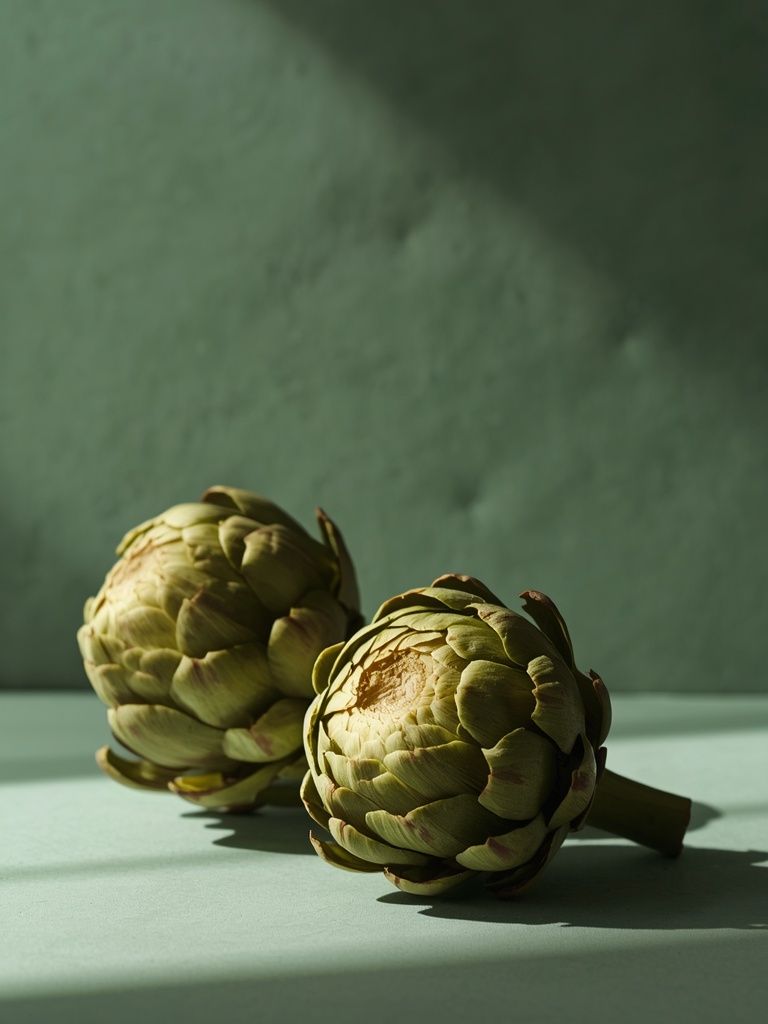
Edible artichokes of a thickness not exceeding ten millimetres

The globe artichoke, scientifically designated as Cynara cardunculus, represents a perennial rosette-forming plant of substantial agronomic significance. Its cultivation is highly favoured owing to the abundant yields it produces, which can be harvested systematically over a period exceeding half a decade. Nevertheless, the plant attains its peak productivity during the third year of vegetative growth, at which point it achieves optimal capacity for generating edible portions. Within the context of the global food economy, the artichoke assumes a pivotal role, particularly in the Mediterranean basin, where its cultivation not only satisfies local demand but also serves as a critical driver of regional economic advancement. The foremost global producers of this plant include nations such as Italy, Spain, France, and Greece, as well as regions like California in North America, alongside areas in South America, Turkey, and Iran.

Historical records confirm that the artichoke was employed as a medicinal plant as early as the fourth century BCE, positioning it among the oldest cultivated species worldwide. Its nutritional value is equally impressive—given its low caloric content (merely 50 kilocalories per 100 grams), it constitutes an excellent ingredient for weight-reduction diets and balanced nutritional regimens for individuals committed to maintaining a healthy body weight or addressing overweight concerns. Furthermore, its richness in dietary fibre, vitamins, and minerals further consolidates its status as a valuable component of a health-conscious diet.

Globe artichoke – a comprehensive analysis of its health-promoting properties and biological mechanisms of action

The globe artichoke (*Cynara scolymus*) is a plant with a well-documented history of use in traditional medicine dating back to the 4th century BCE. Its remarkable health-promoting properties stem from a rich composition of bioactive compounds, including flavonoids, luteolin glucosides, and phenolic acids such as caffeic and chlorogenic acid. Clinical and experimental research confirms its multifaceted effects, particularly its ability to modulate glucose metabolism—suggesting potential applications in the prevention and adjunctive treatment of type 2 diabetes—as well as its potent anti-inflammatory activity, which may be beneficial in managing chronic inflammatory conditions. Furthermore, meta-analyses published in peer-reviewed scientific journals highlight its capacity to improve lipid profiles by reducing total cholesterol levels and low-density lipoprotein (LDL) cholesterol („bad cholesterol“) in serum, a result of inhibiting enzymatic cholesterol synthesis in the liver. The plant is also a subject of cardiovascular research, with evidence indicating that it may slow the progression of atherosclerosis by reducing atherosclerotic plaque formation and enhancing vascular elasticity, thereby exerting cardioprotective effects. Additionally, the globe artichoke demonstrates hepatoprotective properties, safeguarding the liver from toxins, and exhibits antioxidant activity, neutralizing free radicals. Of particular interest are reports of its potential anticancer effects—*in vitro* studies have observed that artichoke extracts can inhibit tumor-associated angiogenesis and suppress the proliferation of leukemic cells. Its role as a prebiotic should not be overlooked, as it stimulates the growth of beneficial gut bacterial strains such as *Bifidobacterium bifidum*, contributing to improved microbiome composition and digestive function. The plant is employed in the treatment of gastrointestinal disorders, including irritable bowel syndrome (IBS), dyspepsia, and gastric distress. Emerging research suggests that cynaropicrin and other compounds in the artichoke may act as inhibitors of HIV integration into host cells, offering new avenues for antiretroviral therapy research. Moreover, animal studies have demonstrated its chelating properties against heavy metal ions like lead, which may be relevant for detoxification processes. Explore the full spectrum of benefits associated with regular consumption of this extraordinary plant!

Artichokes: Contraindications, Precautions, and Adverse Reaction Profiles

Artichokes are widely recognized for their high tolerability and minimal adverse effect profile in most individuals. However, data from large-scale, placebo-controlled clinical trials indicate that approximately 1% of participants experienced mild gastrointestinal disturbances, most commonly transient abdominal distension. Additionally, dermal exposure to artichoke extracts or plant material has been associated with occasional cutaneous reactions—such as erythema or urticaria—which may suggest an immunoglobulin E-mediated hypersensitivity response. Of critical importance is the well-documented choleretic property of artichoke bioactive compounds; these stimulate bile secretion, rendering their consumption explicitly inadvisable for individuals diagnosed with biliary obstruction, cholangiolithiasis, or any condition impairing bile duct patency. Caution is further advised for pregnant or lactating women, as well as when administering artichokes to young children, given the paucity of robust safety data in these specific demographic cohorts.

A comprehensive step-by-step guide to properly cleaning and cooking artichokes

Artichokes are a remarkably versatile vegetable that can be enjoyed fresh, canned, or frozen. The initial preparation involves thorough cleaning: begin by trimming the tough stem and removing the outer, fibrous leaves. The next step is to halve the artichoke lengthwise and carefully excise the inner leaves and the fuzzy choke using a sharp knife. To preserve their vibrant, natural hue, it is advisable to immerse the halves in a solution of water combined with either apple cider vinegar or freshly squeezed lemon juice. Cooking should be conducted in salted water, ideally enhanced with a few drops of extra-virgin olive oil and lemon juice to accentuate the flavor. The cooking duration varies depending on the size of the vegetable—typically around 40 minutes—until the flesh becomes tender and easily separable. Artichokes also excel when fried, braised, or roasted, making them an excellent addition to sandwiches, vegetable, meat, pasta, or rice salads, as well as pasta dishes and fried preparations. Explore the most effective recipes for this extraordinary vegetable! In summary, artichokes are not only a culinary delight but also a nutritional powerhouse: they support cardiovascular health, aid in lipid and carbohydrate metabolism, and emerging research suggests potential anticancer properties as well as a supportive role in HIV treatment. While further scientific studies are required to fully validate their efficacy, it is already evident that artichokes are a vegetable with exceptional health benefits that deserve a place in any balanced diet.
Anna Schmidt

Anna Schmidt

Diets Premium Medical Expert

Member of the Diets Premium clinical editorial board. Specializes in medical diet therapy, metabolic health, and nutritional planning.

View Profile →
Recommended articles in this category

Related Articles

Discover similar publications and expert insights.

Psychotherapeutic intervention and expert psychological support – Part 1: Navigating the path to premium-quality mental healthcare
Mental
Psychotherapeutic intervention and expert psychological support – Part 1: Navigating the path to premium-quality mental healthcare
⏱ 5 min czytania
#Mental #Assistance
Cornflakes – Nutritional Composition and Health Value Analysis. Are They Genuinely Beneficial for the Body?
Breakfast
Cornflakes – Nutritional Composition and Health Value Analysis. Are They Genuinely Beneficial for the Body?
⏱ 2 min czytania
#Breakfast #Cornflakes
Chili Pepper – Botanical Characteristics, Varietal Diversity, Culinary Applications, and a Step-by-Step Guide to Crafting an Exceptionally Fiery Sauce of Unmatched Potency
Food & Ingredients
Chili Pepper – Botanical Characteristics, Varietal Diversity, Culinary Applications, and a Step-by-Step Guide to Crafting an Exceptionally Fiery Sauce of Unmatched Potency
⏱ 3 min czytania 📚 Food & Ingredients
#Vitamins #Crafting
Post-threshing wheat residues – husk-derived byproducts of milling operations
Food & Ingredients
Post-threshing wheat residues – husk-derived byproducts of milling operations
⏱ 3 min czytania 📚 Food & Ingredients
#Seeds #Fasting
Whole oat groats compared to rolled oats – fundamental distinctions and practical culinary applications
Food & Ingredients
Whole oat groats compared to rolled oats – fundamental distinctions and practical culinary applications
⏱ 3 min czytania 📚 Food & Ingredients
#Oats #Bran
Omega-9 fatty acid (oleic acid) – biochemical profile, dietary sources, and functional roles in human physiology
Omega Fatty Acids
Omega-9 fatty acid (oleic acid) – biochemical profile, dietary sources, and functional roles in human physiology
⏱ 4 min czytania
#Omega Fatty Acids #Omega-6 Fatty Acids
Restoring hepatic vitality: evidence-based nutritional approaches, herbal remedies, and natural strategies for enhancing liver cell regeneration
Performance
Restoring hepatic vitality: evidence-based nutritional approaches, herbal remedies, and natural strategies for enhancing liver cell regeneration
⏱ 5 min czytania
#Performance #Liver Health
A comprehensive guide to effective countermeasures against motion sickness – dietary approaches, symptomatology and underlying mechanisms
Nutrition
A comprehensive guide to effective countermeasures against motion sickness – dietary approaches, symptomatology and underlying mechanisms
⏱ 5 min czytania
#Nutrition #Transportation
The kidneys: etiologic factors, clinical manifestations, and dietary guidelines in renal pathologies
Dietary Guidelines
The kidneys: etiologic factors, clinical manifestations, and dietary guidelines in renal pathologies
⏱ 3 min czytania
#Dietary Guidelines #Dietary Recommendations
A comprehensive examination of the detrimental effects of sweetened juices and beverages on human health
Cola
A comprehensive examination of the detrimental effects of sweetened juices and beverages on human health
⏱ 2 min czytania
#Cola #Syrup
Chronic gastric mucosal inflammation induced by mechanical compression – distinctive symptomatology, etiologic factors, and contemporary therapeutic approaches
Inflammation
Chronic gastric mucosal inflammation induced by mechanical compression – distinctive symptomatology, etiologic factors, and contemporary therapeutic approaches
⏱ 3 min czytania
#Inflammation
Discover how the synergistic blend of natural honey and cinnamon may accelerate healthy and sustainable weight reduction!
Weight Management
Discover how the synergistic blend of natural honey and cinnamon may accelerate healthy and sustainable weight reduction!
⏱ 1 min czytania 📚 Weight Management
#Honey #Healthy
Mesomorphic, endomorphic or ectomorphic type, i.e. a diet consistent with body type
Nutrition Plans
Mesomorphic, endomorphic or ectomorphic type, i.e. a diet consistent with body type
⏱ 4 min czytania 📚 Nutrition Plans
#Healthy #Metabolic
Quercetin: Mechanisms of Action, Supplementation Guidelines, Adverse Reactions, and Market Pricing
Nutritional Science
Quercetin: Mechanisms of Action, Supplementation Guidelines, Adverse Reactions, and Market Pricing
⏱ 4 min czytania 📚 Nutritional Science
#Apples #Berries
Effects, dosing, contraindications and side effects of kudzu root
Food & Ingredients
Effects, dosing, contraindications and side effects of kudzu root
⏱ 3 min czytania 📚 Food & Ingredients
#Raw #Liver
Lithuanian culinary art: defining features, heritage, and time-honored recipes
Cabbage
Lithuanian culinary art: defining features, heritage, and time-honored recipes
⏱ 7 min czytania
#Cabbage #Potatoes
Bioavailable silicon – key properties, dietary sources, and benefits for hair and skin integrity
Collagen
Bioavailable silicon – key properties, dietary sources, and benefits for hair and skin integrity
⏱ 4 min czytania
#Collagen #Recovery
Reducing a child's weight - Adjusting their dietary patterns
Healthy
Reducing a child's weight - Adjusting their dietary patterns
⏱ 6 min czytania
#Healthy #Dietary Patterns
"Lazy Person's Diet" – optimal results with minimal effort"
Health Conditions
"Lazy Person's Diet" – optimal results with minimal effort"
⏱ 5 min czytania 📚 Health Conditions
#Healthy #Healthy Eating
Chlorella Algae - outcomes, accessibility, cost, potential adverse effects
Vitamin C
Chlorella Algae - outcomes, accessibility, cost, potential adverse effects
⏱ 4 min czytania
#Vitamin C #Vitamin K2
"Refreshing snacks" perfect for hot days
Cooking
"Refreshing snacks" perfect for hot days
⏱ 4 min czytania
#Cooking #Appetizers
Chocolate Allergy - Symptoms. How to treat a chocolate allergy?
Allergy
Chocolate Allergy - Symptoms. How to treat a chocolate allergy?
⏱ 2 min czytania 📚 Allergy
#Beans #Chocolate
Contraceptive tablets that do not weaken sexual desire!
⏱ 1 min czytania
Potato Juice - Medical Properties... Potato Juice for Ulcers, for Hair
Juice
Potato Juice - Medical Properties... Potato Juice for Ulcers, for Hair
⏱ 3 min czytania
#Juice
Essential Vital Fibers – Effects, Side Effects, Cost and Reviews
Fiber
Essential Vital Fibers – Effects, Side Effects, Cost and Reviews
⏱ 2 min czytania
#Fiber #Dietary Supplement
Protein Bars – Homemade Recipe. When Is the Best Time to Eat Protein Bars?
Protein
Protein Bars – Homemade Recipe. When Is the Best Time to Eat Protein Bars?
⏱ 4 min czytania
#Protein #Protein Bar
Allergic Reaction to Cow’s Milk Protein in Children – Nutritional Deficiencies and Diet
Protein
Allergic Reaction to Cow’s Milk Protein in Children – Nutritional Deficiencies and Diet
⏱ 5 min czytania
#Protein #Nutrition
Greater Celandine Herb – Distribution, Constituents, Properties, Application and Preparation
Orange
Greater Celandine Herb – Distribution, Constituents, Properties, Application and Preparation
⏱ 3 min czytania
#Orange #Herb
Influence of Diet on Fertility in Women and Men
Nutrition
Influence of Diet on Fertility in Women and Men
⏱ 8 min czytania
#Nutrition
The Top Five Products for Pancreatic Health – Which to Choose and Which Not to Rely On
Pancreatitis
The Top Five Products for Pancreatic Health – Which to Choose and Which Not to Rely On
⏱ 6 min czytania
#Pancreatitis #Metabolic

Share