Anti-Inflammatory Nutrition - Basic Guidelines and Rules, How It Varies from the Typical Diet

Tomasz Jankowski
✓
Diets Premium Medical Expert • 19.03.2026
✓
Scientifically reviewed by a clinical dietitian:
This article has been peer-reviewed for adherence to IŻŻ, WHO, and PTGiP clinical nutritional standards.
| CLINICAL KNOWLEDGE MAGAZINE Dietetics | min read 6 min |
| Diets Premium Medical Expert Tomasz Jankowski | Scientifically reviewed by a clinical dietitian 19.03.2026 |

Smart Voice
•Listen to the article content live
0:00
/
0:00
Key Takeaways
Inflammation frequently occurs alongside numerous ailments, including obesity. Overweight can result in the development of low-grade inflammation, which may not necessarily manifest any symptoms. Could it be that nourishment has an effect on the inflammatory state?
Meal Plan
Want to apply these guidelines in your daily diet?
Our smart diet generator creates a tailored meal plan in 3 minutes based on the recommendations in this article.
PRO Content
PRO
This article is professional premium content (PRO) provided in its entirety.
Excessive body mass index and chronic inflammation
According to the research of Marques A. et al., more than half of Europeans are overweight or obese. Unfortunately, excessive body fat has effects on the entire body, which is linked to its pro-inflammatory activity. Adipocytes in obese individuals are stimulated to secrete pro-inflammatory compounds such as interleukin 6 (IL6) and tumor necrosis factor α (TNFα). An increased level of IL6 stimulates the liver to produce C-reactive protein, which is also an indicator of a chronic inflammatory state. Such a state of constant activity of these factors increases the risk of atherosclerosis, insulin resistance, diabetes, psoriasis, and even depression. Is it possible to restore balance through a dietary change?
Nutrition and Inflammatory Processes
Sears B. et al. describe the basic changes that have occurred over the years in the way people who have the potential to induce inflammation eat. These include: an increase in the consumption of products with a high glycemic index, an increase in the consumption of omega-6 fatty acids, and a decrease in the intake of omega-3 fatty acids. The authors ask how these changes can affect the severity of inflammation. Starting with what happens after consuming products with a high glycemic index. Products with a medium and high glycemic index are typically processed products such as white flour, white bread, white rice, and sweets. They cause a rapid increase in blood sugar levels and a strong response from the pancreas, which releases large amounts of insulin, a hormone that allows glucose to be transported into cells. Insulin is essential for the proper functioning of the body. However, when it is released in large amounts, it has negative effects. One of these effects is the activation of enzymes that convert linoleic acid (an omega-6 fatty acid) into arachidonic acid. Arachidonic acid (AA) is a precursor to so-called eicosanoids with pro-inflammatory properties. In general, this conversion in the body is slow. It accelerates when the availability of insulin increases, i.e., when our diet is rich in simple sugars (high glycemic index). The conversion of AA into pro-inflammatory compounds can be inhibited by omega-3 fatty acids, which have a low share in the typical Western diet. Therefore, in an anti-inflammatory diet, a high intake of omega-3 fatty acids should be ensured. AA, besides being converted into pro-inflammatory compounds, can also directly stimulate the factor NFκ-β, which activates genes and leads to the release of various factors involved in the inflammatory process, such as cytokines and chemokines. Similarly, saturated fatty acids can also indirectly activate NFκ-β. Omega-3 fatty acids (docosahexaenoic acid and eicosapentaenoic acid) act oppositely.
Fatty acids in the anti-inflammatory nutritional approach
The primary goal of the anti-inflammatory nutritional approach is to decrease the intake of AA, a substance that triggers inflammation. Meat products are among those with a high content of AA. As previously mentioned, AA can also result from transformation processes of omega-6 fatty acids. Therefore, it is crucial to limit the amount of omega-6 fatty acids in the diet while simultaneously increasing the intake of omega-3 fatty acids. How can this be achieved? In our daily meal plan, we should use vegetable oils with the highest content of omega-3 and the lowest content of omega-6 fatty acids. Undoubtedly, flaxseed oil falls into this category. Compared to olive oil, rapeseed oil has a significantly better ratio of omega-6 to omega-3 fatty acids (2:1 vs. 9:1 in olive oil). Therefore, it is worth appreciating domestic products. According to the recommendations in the \"Dietary Standards for the Polish Population\", omega-3 fatty acids should provide 0.5% of energy, while omega-6 fatty acids should provide 4% of energy.
Pro-inflammatory dietary index
Based on a series of studies conducted between 2011 and 2012 as part of the Cancer Prevention and Control Program at the University of South Carolina in Columbia, the Pro-inflammatory dietary index was developed. Selected products and dietary ingredients were evaluated and assigned negative values if they had an anti-inflammatory effect; a value of 0 if they had no effect on the inflammatory process; and positive values if they had a pro-inflammatory effect. This was achieved by observing the effect of consuming certain products on the concentration of inflammatory markers (IL1β, IL4, IL6, IL10, TNFα). Products with pro-inflammatory effects are saturated fatty acids, cholesterol, and trans fatty acids. On the other hand, ingredients with strong anti-inflammatory effects include beta-carotene, eugenol, fiber, magnesium, omega-3 fatty acids, oregano, thyme, flavonoids, and flavanols. The latter are chemical compounds belonging to the group of polyphenols, i.e., natural plant compounds. The main sources of these ingredients in the diet are vegetables and fruits, especially apples, broccoli, lettuce, grapes, berries, celery, bell peppers, parsley, kiwi, legumes, oranges, and grapefruits. Other ingredients with anti-inflammatory effects are caffeine, folic acid, garlic, ginger, niacin, onions, vitamins A, D, E, zinc, green and black tea, and anthocyanins.
How to apply this information in practice? Fundamental principles of an anti-inflammatory diet
1) Limit intake of saturated fatty acids (SFA) and trans fats, mainly from animal sources. According to the recommendations of the Institute of Food and Nutrition, we should consume up to 0.5 kg of meat per week. It is important to remember that there are other sources of full-fledged protein, such as dairy, eggs, fish, or leguminous vegetables. 2) It is essential to regularly consume vegetable oils and fish, which are rich in omega-3 fatty acids. It is recommended to consume fish at least twice a week in the form of cooked or baked in foil fish. Flaxseed oil is the best source of omega-3 fatty acids, but it should not be heated. Rapeseed oil is also a good choice for those who engage in physical activity. 3) Increase the consumption of fruits and vegetables, which are rich in fiber, polyphenols, and vitamins with anti-inflammatory effects.
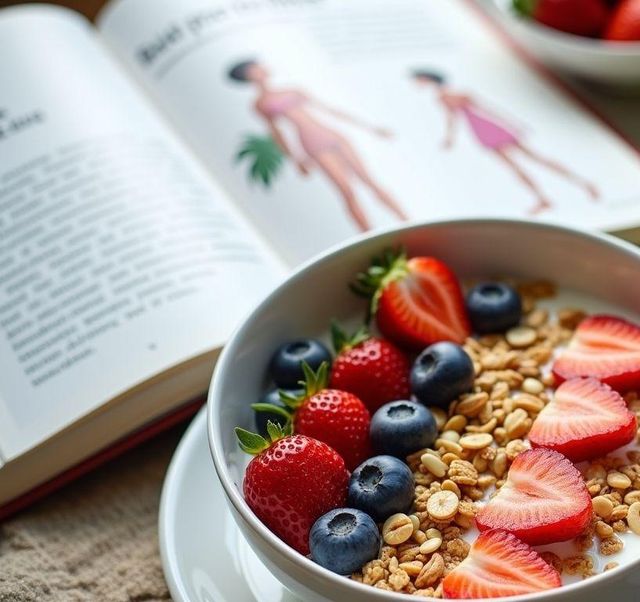
Berry and strawberry composition with a strong polyphenol infusion
Ingredients: berries - 1 glass, strawberries - 1 glass, soda water - half a glass. All ingredients should be peeled and processed into a smooth blend.
Creamy soup with carrots, oranges and ginger is an outstanding source of beta-carotene
Ingredients for 4 servings: -
- carrots -
1 kg, -
- orange -
1 piece, -
- fresh ginger -
about. 3 cm, -
- vegetable broth -
2 l, -
- fresh coriander leaves -
whichever you like, -
- pepper and salt, -
- cumin -
Prise, -
- rapeseed oil -
5 teaspoons. Slice the carrots into thin pieces and fry them lightly in a pot with heated oil together with the fresh ginger, grated on a grater. Add cumin and the juice of a squeezed orange. Grate the peel of the fruit as well and add it to the pot. Add vegetable broth and cook for about 20 minutes. Then blend to a smooth mass with an immersion blender. Season with pepper and salt and garnish with coriander leaves.
Tomasz Jankowski
Diets Premium Medical Expert
Member of the Diets Premium clinical editorial board. Specializes in medical diet therapy, metabolic health, and nutritional planning.
View Profile →