CLINICAL KNOWLEDGE MAGAZINE
4 min read
Acidification – Preservative Properties and Nutrients

Isabella Taylor
✓
Diets Premium Medical Expert • 25.09.2026
✓
Scientifically reviewed by a clinical dietitian:
This article has been peer-reviewed for adherence to IŻŻ, WHO, and PTGiP clinical nutritional standards.
| CLINICAL KNOWLEDGE MAGAZINE CLINICAL KNOWLEDGE MAGAZINE | min read 4 min |
| Diets Premium Medical Expert Isabella Taylor | Scientifically reviewed by a clinical dietitian 25.09.2026 |

Smart Voice
•Listen to the article content live
0:00
/
0:00
Key Takeaways
Acidification is a method of food preservation that has been in use for a long time. Thanks to this, we can consume vegetables and fruits, even in the winter. In Poland, the most popular products that undergo acidification are cabbage and cucumbers, and bigos or cucumber soup are traditional Polish dishes. Acidification contains many valuable nutrients and also has preservative properties. In this article, you will learn more about the benefits of acidification.
Meal Plan
Want to apply these guidelines in your daily diet?
Our smart diet generator creates a tailored meal plan in 3 minutes based on the recommendations in this article.
Lacto-fermentation: Natural preservation mechanisms and critical factors in acid-based food conservation
Lacto-fermentation constitutes a time-honored, biologically dynamic method of food preservation founded upon the controlled decomposition of simple carbohydrates into lactic acid by specialized bacterial strains. To ensure the optimal progression of this process, a series of critical conditions must be met, including the utilization of ingredients at peak freshness and the maintenance of a pH level not exceeding 3. 5—thereby establishing a highly acidic environment that suppresses pathogenic proliferation. The primary protective agent in this context is lactic acid, which effectively inhibits putrefactive processes, though its efficacy against mold fungi remains limited. Consequently, the complete exclusion of oxygen and the conduction of fermentation at reduced temperatures are paramount. The addition of as little as 3% sodium chloride (table salt) significantly accelerates the reproduction of beneficial lactic acid bacteria while concurrently impeding the growth of harmful microorganisms. In practical applications, fermented products are further enhanced with botanical additives such as dill seeds, allspice berries, garlic cloves, onions, juniper berries, cherry leaves, or oak leaves—ingredients that not only enrich the flavor profile but also exhibit documented health-promoting and preservative properties.
Fermented vegetables: A comprehensive nutritional profile and its health-promoting properties
Due to their reduced carbohydrate content—which undergoes degradation during the lactic acid fermentation process—as well as their elevated water content in the final product, fermented vegetables serve as an excellent option for individuals adhering to low-energy diets, including those managing diabetes. For instance, a single medium-sized pickled cucumber or a serving of sauerkraut contains merely 12 kilocalories. Both fresh and fermented vegetables and fruits represent a valuable source of vitamins and minerals. Moreover, the fermentation process itself enhances the presence of beneficial compounds, primarily B vitamins, while the acidic environment promotes the stability of vitamin C and provitamin A.
Key nutrients found in fermented vegetables include: vitamin A (which supports immune function and enhances iron absorption), vitamin C (strengthening immunity), vitamins B1, B2, and B3 (protecting the nervous system), vitamin PP (essential for proper brain function and peripheral nervous system operation), vitamin K (regulating blood clotting), vitamin E (acting as an antioxidant), and minerals such as calcium (critical for bone formation and prevention of osteopenia and osteoporosis), magnesium (regulating nervous system function and supporting hormonal balance), potassium (a major electrolyte influencing hormonal metabolism), and iron (a hemoglobin component that counters anemia).
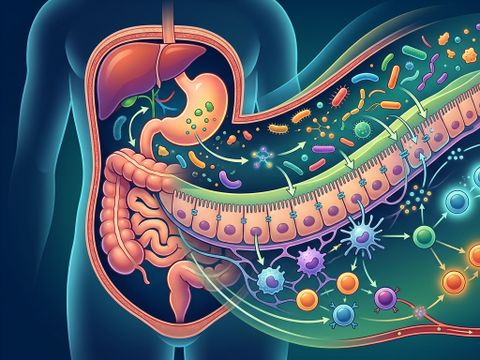
It is noteworthy that not only the fermented vegetables themselves but also the brine produced during the process are rich in valuable nutrients. Therefore, consuming this liquid—whether as a condiment or alongside meals—can provide additional health benefits. Fermented foods also serve as a natural source of probiotic microbiota, containing lactic acid bacteria that positively impact intestinal function: they aid digestion and nutrient absorption, regulate microbiota composition, and inhibit the growth of harmful putrefactive bacteria. Lactic acid further contributes to detoxification, strengthens the immune system, and may lower blood cholesterol levels. Importantly, these bacteria also participate in the synthesis of vitamin K and certain B vitamins.
Fermented vegetables are additionally a rich source of dietary fiber, which regulates intestinal peristalsis, promotes satiety through gastric expansion, and binds toxins as well as excess cholesterol, thereby supporting the body’s detoxification processes.
Naturally fermented versus artificially acidified: Fundamental distinctions in food preserves and their health implications
Modern grocery shelves are increasingly stocked with products labeled as "sour" or "pickled," yet many of these items undergo artificial acidification through chemical additives rather than traditional fermentation—a distinction that is frequently overlooked by consumers. While naturally fermented foods such as sauerkraut serve as rich sources of probiotics, B vitamins, vitamin K, and essential minerals, their industrially acidified counterparts are often supplemented with preservatives like potassium sorbate (E202) and sodium benzoate (E211), along with excessive sugars, thereby substantially increasing their caloric density. Compelling scientific evidence suggests that regular consumption of naturally fermented cruciferous vegetables—abundant in glucosinolates (GLS)—may contribute to a reduced risk of developing certain cancers, including those of the stomach, bladder, and prostate. Nevertheless, due to their elevated sodium content, individuals with hypertension or renal impairment should exercise caution and limit intake. The most health-conscious approach remains homemade fermentation, which ensures complete transparency regarding ingredients and nutritional value. It is also critical to note that thermal processing significantly degrades the concentration of beneficial compounds; thus, fermented foods are best consumed raw or with minimal heating. We encourage culinary experimentation with fermented vegetables and fruits—their health-promoting properties are unparalleled!
Tags
Isabella Taylor
Diets Premium Medical Expert
Member of the Diets Premium clinical editorial board. Specializes in medical diet therapy, metabolic health, and nutritional planning.
View Profile →