Chlorella algae
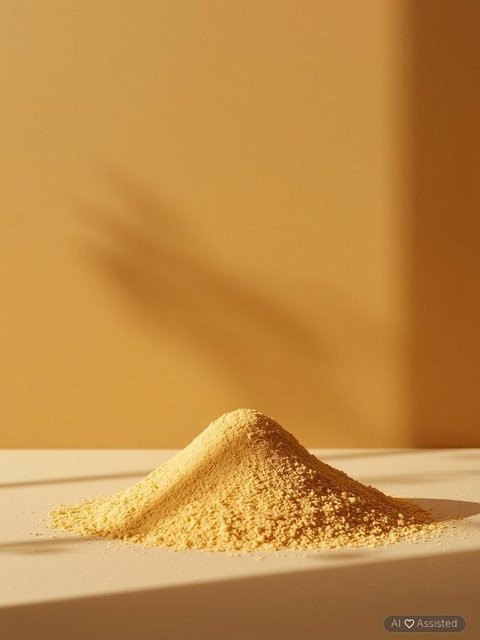
Chlorella algae are a type of algae that grow on wet and watery areas. They contain large amounts of proteins, chlorophyll, and vitamins, especially vitamin A in the form of beta-carotene. Like spirulina, chlorella algae support the function of the digestive system and prevent infections and diseases of the gastrointestinal tract. They also exhibit strong antiseptic and detoxifying effects that improve the appearance of the skin. The recommended dose of chlorella is 6 to 10 g. The most common form of this product is a powdered seaweed, but it is also commonly used in many preparations and dietary supplements.
Three-part Glutathione
Glutathione is a naturally occurring compound that is present in the organisms of all animals and plants. It is a tripeptide composed of the amino acids cysteine, glycine, and glutamic acid. However, it is unstable outside of the body. Glutathione can be delivered to the body through food. The best sources of this nutrient are foods such as avocado, broccoli, Brussels sprouts, onions, garlic, cabbage, turmeric, and asparagus. Glutathione plays a vital role as one of the most important antioxidants in our body, helping to protect it from harmful factors such as free radicals and heavy metals that promote aging and metabolic disorders. Another beneficial activity of glutathione is its participation in the synthesis of coenzymes that enhance our metabolic functions and the inhibition of the synthesis of stress-inducing cortisol. When it comes to glutathione supplementation, there are many protocols that use different forms, dosages, and frequencies of intake. The most popular ones are based not on the delivery of glutathione itself but on precursors that aim to stimulate endogenous synthesis. To optimize this process, it is advisable to consider an additional intake of Vitamins C and E, Vitamins of the B group such as Vitamin B12, selenium, alpha-lipoic acid, and high-quality protein.
Acids of Vitamin A and chemical compounds
Vitamin A is a collection of numerous chemical compounds belonging to the group of retinoids, including the most important ones such as retinol, retinal, and retinoic acid. Similar to Vitamins E and K, it is a fat-soluble compound. The richest and most natural sources of Vitamin A are carrots, sweet potatoes, spinach, and tranny. In the human body, Vitamin A performs a variety of functions, and its impact on the skin is undeniable. Retinol and retinal ensure the integrity of cell membranes, which protects the skin from the entry of pathogens. In addition, they influence the proper functioning of epithelial cells, regulate the growth of epithelial tissue, and maintain the healthy state of the skin and its structures, such as hair and nails. Retinoic acid is essential for the production of collagen, which ensures the elasticity and resilience of the skin. The recommended daily dose of Vitamin A for women is between 700 and 3000 μg and for men between 900 and 3000 μg. For lactating women, the minimum dose should be 1200 μg.
Compound identified as fishitol and riboflavin, otherwise known as Vitamin B2
Vitamin B2 is a chemical compound consisting of fishitol and riboflavin, hence it is often referred to as riboflavin. Through its cooperation with vitamin A, it has a positive effect on the skin, improving its efficiency and preventing premature aging. Riboflavin influences the proper functioning of blood vessel and skin lining, regulates cellular respiration, and participates in amino acid transformations. To maintain the proper level of Vitamin B2 in the body, it should be consumed regularly, as the body cannot produce it on its own. The recommended daily dose of vitamin B2 is 1-2 mg. Excess vitamins are stored in the body as a reserve. Foods that contain this compound include, among others: dairy products, beans, peas, mushrooms, eggs, game meat, almonds, wholegrain bread and fish (salmon, mackerel, trout).
Vitamin B6 (pyridoxine) and its essential role in skin health
Vitamin B6 (pyridoxine) plays an indispensable role in amino acid metabolism, collagen structural integrity, and the regulation of sebaceous gland activity. A deficiency frequently manifests as seborrheic dermatitis and cheilosis. Exceptional dietary sources include fresh spinach, chickpeas, bananas, pasture-raised poultry, wild salmon, avocados, and sunflower seeds.
Vitamin E and its chemical compounds
Vitamin E is a complex group of chemical compounds, including tocopherols and tocotrienols, which have the strongest antioxidant properties among all vitamins. This vitamin not only combats free radicals and removes harmful substances, but also prevents oxidative processes that can be destructive for the body. Vitamin E enhances the cellular respiration process, creating more comfortable working conditions, and also aids in the renewal processes. The sources of this vitamin include cauliflower, broccoli, black currant, eggs, almonds, walnuts, vegetable oils, parsley, spinach and cod liver oil.
Vitamin B7 (Biotin)
It can occur in either free form or bound to protein. Biotin, also known as Vitamin B7, is found in foods such as carrots, milk, tomatoes, spinach, yeast, and meat products. In addition to improving the condition of nails, skin, and hair, this vitamin plays a crucial role in the metabolism of amino acids and carbohydrates, the production of prothrombin, and the functioning of the thyroid gland. The recommended dose for biotin supplementation is about 5-6 μg for infants, 8-25 μg for children and adolescents, and about 30 μg for adults.