Ernährung von Kindergartenkindern – Frühstück, Mittagessen, Abendessen... Speiseplan

Max Müller
2026-03-15
7 Min. Lesezeit


1 / 1
1 zdjęcie
66
Die Kindheitsphase ist eine Zeit, in der die Ernährungsgewohnheiten und -routinen eines Kindes geformt werden, oft für das ganze Leben... Die Verantwortung für eine richtige Ernährung lastet nicht nur auf den Schultern der Eltern, sondern auch auf denen der Betreuer während des Aufenthalts der Kinder in Kindergärten.
Nutritional guidelines for preschool children
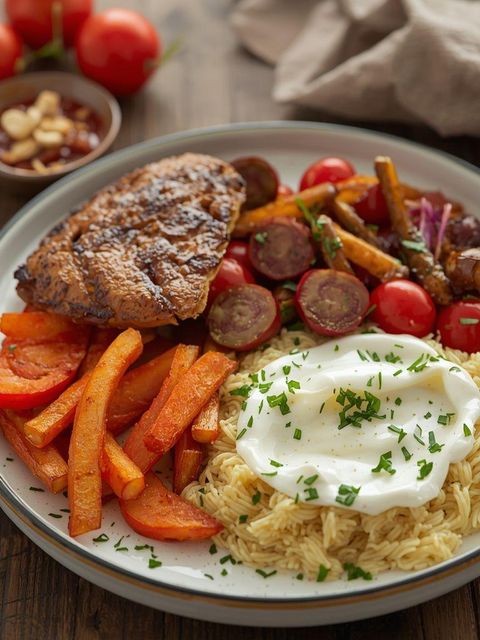
The energy requirements for a 3-year-old are 1000 kcal, while for children aged 4-6, this increases by 400 kcal. From the age of two, the number of meals is reduced to 4-5 per day, consumed at 3-4 hour intervals. Meals at preschool should account for 70-75% of the daily food intake, with the remaining 25% consumed at home in the form of one or two smaller meals. Some practical tips regarding preschool nutrition: The diet should be based on whole-grain products, with various types of bread and grains offered for variety. Milk and dairy products are important sources of calcium, protein, and vitamins. Fatty fish such as salmon or mackerel should be served at least once a week. Each meal should include fresh vegetables and fruits, and frozen produce can be used in autumn and winter. The "colorful plate" principle should be applied, and children should be allowed to choose between different vegetable preparations. The best drinks are spring water, weak tea, and unsweetened juices. Sugary sodas should be avoided. It is recommended to limit sweets but not eliminate them entirely, instead educating the child about healthy food choices. The diet should consider not only nutritional value but also the appealing sensory qualities of the food.
Sie haben begonnen, einen PRO-Artikel zu lesen
Sie können das erste Kapitel lesen. Um den gesamten Artikel zu lesen und alle Inhalte freizuschalten, wechseln Sie zum PRO-Konto.