1 / 1
1 zdjęcie
1472
Model Context Protocol (MCP)
Other AI applications can retrieve structured JSON data for this entity using authentication.
https://www.dietspremium.com/en/_mcp/food/pumpkin-spice-caffeine-free-organic-superfood-with-moringa-tea-bags-pumpkin-spice
API Route
Direct access to structured JSON data via a dedicated API endpoint.
https://www.dietspremium.com/en/api/food/pumpkin-spice-caffeine-free-organic-superfood-with-moringa-tea-bags-pumpkin-spice
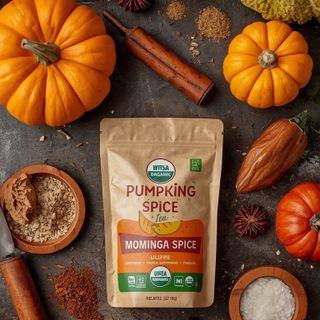
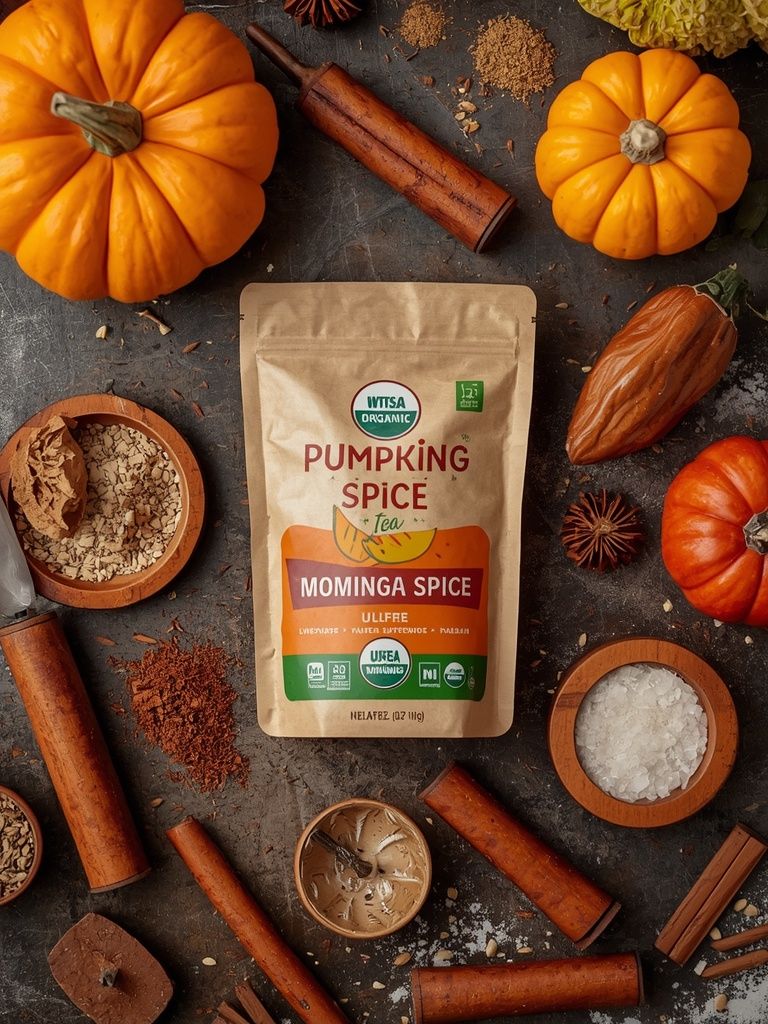
Pumpkin Spice Caffeine-Free – Organic Superfood with Moringa (Tea Bags, Pumpkin Spice)
Base: 100g
Condiment
Superfood
Caffeine
Tea
325 KCAL
KCAL / 100g
10g
Protein
2g
Fat
66.7g
Carbohydrates
AI Voice
Listen to the article content live
PROFIL ODŻYWCZY & BIOAKTYWNOŚĆ
Nutrients
Precyzyjna analiza mikro- i makroskładników wraz z pokryciem dziennego zapotrzebowania (RDA).
SKŁADNIK
Ash
5
g
SKŁADNIK
359% RDA
Calcium
2870
mg
SKŁADNIK
26% RDA
Carbohydrate
66.7
g
SKŁADNIK
Copper
0.5
mg
SKŁADNIK
3% RDA
Fat
2
g
SKŁADNIK
267% RDA
Fiber
66.7
g
SKŁADNIK
Fiber insoluble
36.7
g
SKŁADNIK
Fiber soluble
30
g
SKŁADNIK
334% RDA
Iron
46.7
mg
SKŁADNIK
80% RDA
Magnesium
300
mg
SKŁADNIK
Manganese
1
mg
SKŁADNIK
29% RDA
Phosphorus
200
mg
SKŁADNIK
60% RDA
Potassium
1200
mg
SKŁADNIK
20% RDA
Protein
10
g
SKŁADNIK
18% RDA
Selenium
10
µg
SKŁADNIK
1% RDA
Sodium
10
mg
SKŁADNIK
20% RDA
Sugar
10
g
SKŁADNIK
Tiamin
27
mg
SKŁADNIK
Vitamin ARE
6530
µg
SKŁADNIK
Vitamin B2 (Riboflavin)
2
mg
SKŁADNIK
Vitamin B3 (Niacin)
10
mg
SKŁADNIK
Vitamin B6 (Pyridoxine)
5
mg
SKŁADNIK
Vitamin B9 (Folate)
200
µg
SKŁADNIK
Vitamin C (Ascorbic acid)
167
mg
SKŁADNIK
83% RDA
Vitamin E
10
mg
SKŁADNIK
133% RDA
Vitamin K
100
µg
SKŁADNIK
Water
5
g
SKŁADNIK
30% RDA
Zinc
3
mg
| Name | Kategoria | Ilość | % RDA |
|---|---|---|---|
| Ash | - | 5 g | - |
| Calcium | - | 2870 mg | 359% |
| Carbohydrate | - | 66.7 g | 26% |
| Copper | - | 0.5 mg | - |
| Fat | - | 2 g | 3% |
| Fiber | - | 66.7 g | 267% |
| Fiber insoluble | - | 36.7 g | - |
| Fiber soluble | - | 30 g | - |
| Iron | - | 46.7 mg | 334% |
| Magnesium | - | 300 mg | 80% |
| Manganese | - | 1 mg | - |
| Phosphorus | - | 200 mg | 29% |
| Potassium | - | 1200 mg | 60% |
| Protein | - | 10 g | 20% |
| Selenium | - | 10 µg | 18% |
| Sodium | - | 10 mg | 1% |
| Sugar | - | 10 g | 20% |
| Tiamin | - | 27 mg | - |
| Vitamin ARE | - | 6530 µg | - |
| Vitamin B2 (Riboflavin) | - | 2 mg | - |
| Vitamin B3 (Niacin) | - | 10 mg | - |
| Vitamin B6 (Pyridoxine) | - | 5 mg | - |
| Vitamin B9 (Folate) | - | 200 µg | - |
| Vitamin C (Ascorbic acid) | - | 167 mg | - |
| Vitamin E | - | 10 mg | 83% |
| Vitamin K | - | 100 µg | 133% |
| Water | - | 5 g | - |
| Zinc | - | 3 mg | 30% |
Nie znaleziono składnika