1 / 1
1 zdjęcie
1418
Model Context Protocol (MCP)
Other AI applications can retrieve structured JSON data for this entity using authentication.
https://www.dietspremium.com/en/_mcp/food/low-sugar-plum-jam
API Route
Direct access to structured JSON data via a dedicated API endpoint.
https://www.dietspremium.com/en/api/food/low-sugar-plum-jam
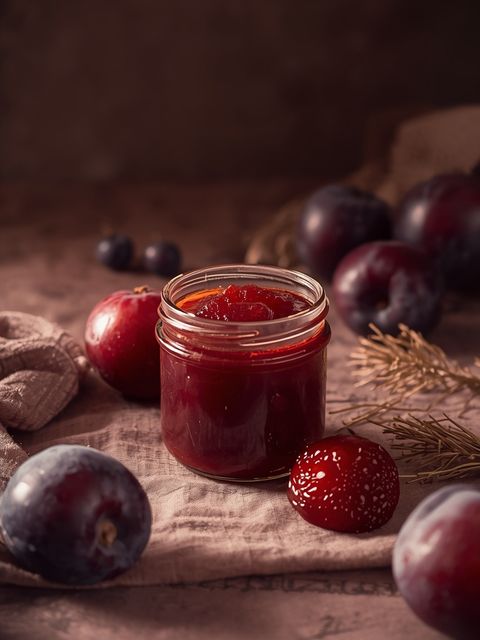
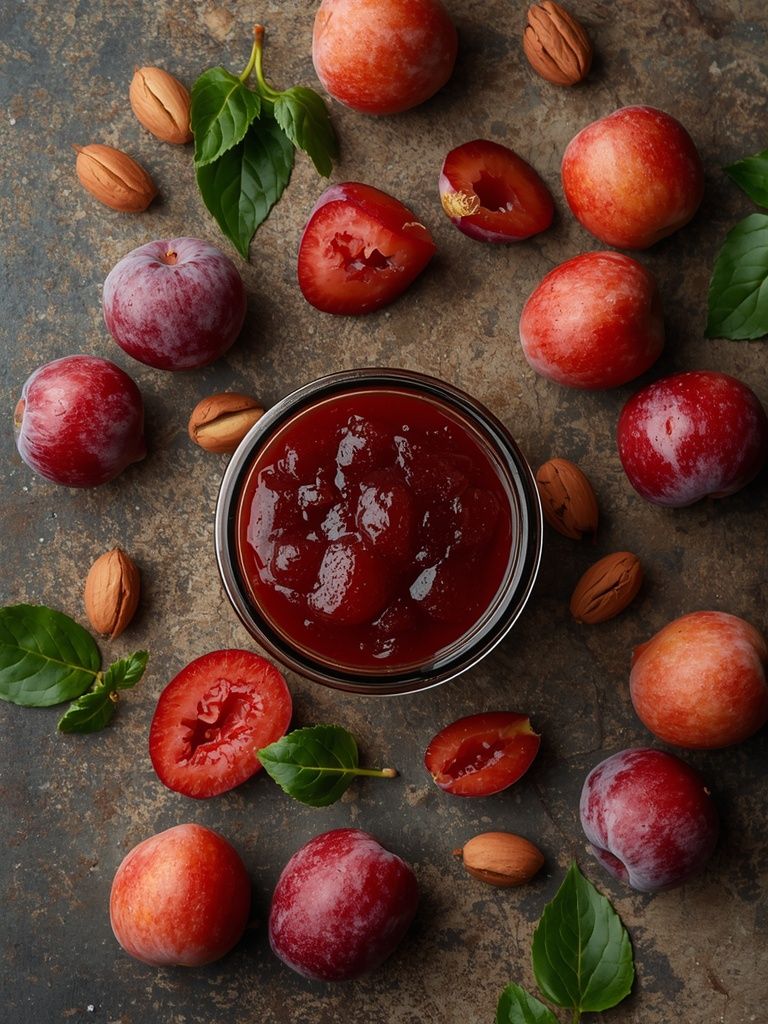
Low-Sugar Plum Jam
Base: 100g
Sugar Content
154 KCAL
KCAL / 100g
0.3g
Protein
0.1g
Fat
37.9g
Carbohydrates
AI Voice
Listen to the article content live
PROFIL ODŻYWCZY & BIOAKTYWNOŚĆ
Nutrients
Precyzyjna analiza mikro- i makroskładników wraz z pokryciem dziennego zapotrzebowania (RDA).
SKŁADNIK
Acidity
1.2
g
SKŁADNIK
Ash
0.3
g
SKŁADNIK
Beta-carotene
100
µg
SKŁADNIK
1% RDA
Calcium
10
mg
SKŁADNIK
15% RDA
Carbohydrate
37.9
g
SKŁADNIK
Cholesterol
1
mg
SKŁADNIK
Copper
0.05
mg
SKŁADNIK
Fat
0.1
g
SKŁADNIK
Fatty acids
0.1
g
SKŁADNIK
Fatty monounsaturated
0.02
g
SKŁADNIK
Fatty polyunsaturated
0.04
g
SKŁADNIK
Fatty saturated
0.01
g
SKŁADNIK
3% RDA
Fiber
0.8
g
SKŁADNIK
Fiber insoluble
0.5
g
SKŁADNIK
Fiber soluble
0.3
g
SKŁADNIK
Fructose
15
g
SKŁADNIK
Glucose
12
g
SKŁADNIK
1% RDA
Iron
0.2
mg
SKŁADNIK
Lutein
20
µg
SKŁADNIK
1% RDA
Magnesium
5
mg
SKŁADNIK
Manganese
0.03
mg
SKŁADNIK
1% RDA
Phosphorus
8
mg
SKŁADNIK
6% RDA
Potassium
110
mg
SKŁADNIK
1% RDA
Protein
0.3
g
SKŁADNIK
Salt
0.04
g
SKŁADNIK
Selenium
0.2
µg
SKŁADNIK
1% RDA
Sodium
15
mg
SKŁADNIK
Sucrose
8.3
g
SKŁADNIK
71% RDA
Sugar
35.3
g
SKŁADNIK
Sugar added
12
g
SKŁADNIK
Vitamin B1 (Thiamin)
0.02
mg
SKŁADNIK
Vitamin B2 (Riboflavin)
0.02
mg
SKŁADNIK
Vitamin B3 (Niacin)
0.3
mg
SKŁADNIK
Vitamin B6 (Pyridoxine)
0.03
mg
SKŁADNIK
Vitamin B9 (Folate)
1
µg
SKŁADNIK
Vitamin C (Ascorbic acid)
2.5
mg
SKŁADNIK
2% RDA
Vitamin E
0.2
mg
SKŁADNIK
2% RDA
Vitamin K
1.5
µg
SKŁADNIK
Water
58.9
g
SKŁADNIK
Zeaxanthin
5
µg
SKŁADNIK
1% RDA
Zinc
0.1
mg
| Name | Kategoria | Ilość | % RDA |
|---|---|---|---|
| Acidity | - | 1.2 g | - |
| Ash | - | 0.3 g | - |
| Beta-carotene | - | 100 µg | - |
| Calcium | - | 10 mg | 1% |
| Carbohydrate | - | 37.9 g | 15% |
| Cholesterol | - | 1 mg | - |
| Copper | - | 0.05 mg | - |
| Fat | - | 0.1 g | - |
| Fatty acids | - | 0.1 g | - |
| Fatty monounsaturated | - | 0.02 g | - |
| Fatty polyunsaturated | - | 0.04 g | - |
| Fatty saturated | - | 0.01 g | - |
| Fiber | - | 0.8 g | 3% |
| Fiber insoluble | - | 0.5 g | - |
| Fiber soluble | - | 0.3 g | - |
| Fructose | - | 15 g | - |
| Glucose | - | 12 g | - |
| Iron | - | 0.2 mg | 1% |
| Lutein | - | 20 µg | - |
| Magnesium | - | 5 mg | 1% |
| Manganese | - | 0.03 mg | - |
| Phosphorus | - | 8 mg | 1% |
| Potassium | - | 110 mg | 6% |
| Protein | - | 0.3 g | 1% |
| Salt | - | 0.04 g | - |
| Selenium | - | 0.2 µg | - |
| Sodium | - | 15 mg | 1% |
| Sucrose | - | 8.3 g | - |
| Sugar | - | 35.3 g | 71% |
| Sugar added | - | 12 g | - |
| Vitamin B1 (Thiamin) | - | 0.02 mg | - |
| Vitamin B2 (Riboflavin) | - | 0.02 mg | - |
| Vitamin B3 (Niacin) | - | 0.3 mg | - |
| Vitamin B6 (Pyridoxine) | - | 0.03 mg | - |
| Vitamin B9 (Folate) | - | 1 µg | - |
| Vitamin C (Ascorbic acid) | - | 2.5 mg | - |
| Vitamin E | - | 0.2 mg | 2% |
| Vitamin K | - | 1.5 µg | 2% |
| Water | - | 58.9 g | - |
| Zeaxanthin | - | 5 µg | - |
| Zinc | - | 0.1 mg | 1% |
Nie znaleziono składnika