Powdered protein supplements as an adjunct to weight reduction – benefits, risks, and potential consequences of consumption

Anna Schmidt
2026-05-19
4 min. read
1 / 1
122
views
In an era where the pursuit of an optimal body weight and enhanced overall well-being has become a widespread priority, powdered protein supplements have emerged as one of the most frequently utilized dietary aids. Nevertheless, amid the overwhelming volume of often contradictory or scientifically unsubstantiated information proliferating across online platforms, a critical question arises: Do these products genuinely represent an effective and safe means of facilitating weight loss, or might their excessive or improper use give rise to adverse side effects—or even pose long-term risks to health?
Proteins in powder
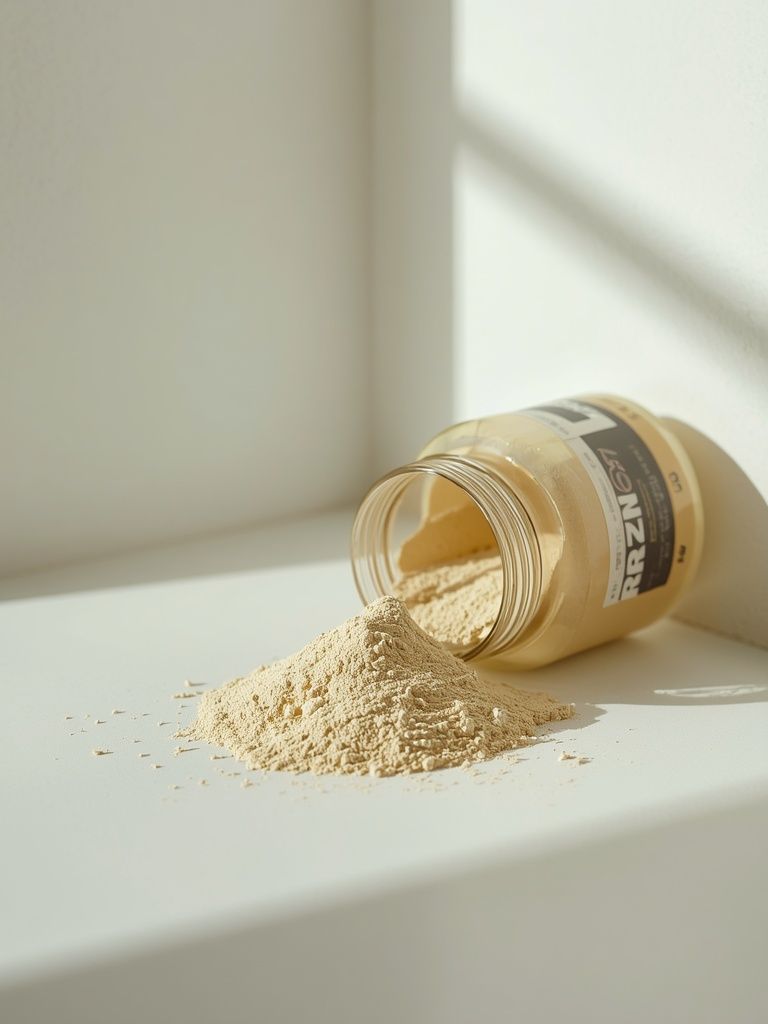
Protein, or protein powder, is a dietary supplement in the form of a nutritional supplement that is designed for quick cocktail preparation. We have many different types of protein additives to choose from, which vary in taste, protein source, and protein absorption rate. Currently, protein can be obtained in a variety of flavors from natural to chocolate, yogurt, cherries, bananas, coffee, crackers, ice cream, vanilla, and cake finishes.
Protein in weight-loss powder
Protein powder is associated with people who exercise hard. Are they really needed in the locker room or out of a fitness club? First of all, it's worth noting that after a workout, many people drink a protein shake with an interesting flavor prepared from regular water, coconut water, or milk. A newcomer to the club may think that drinking cocktails is necessary to get the desired fat.
Proteins in powder side effects
Consuming too much protein in powder per meal can contribute to too much whole-day protein intake, and therefore too little carbohydrate and fat intake. Thus, we observe a reduced mood, less exercise, fatigue, irritation. Excess milk protein will not bring the greatest benefits because it will be converted mainly into fat energy, and the body will not have the remaining value used for its current needs or it will have to be eliminated in the form of glycogen.