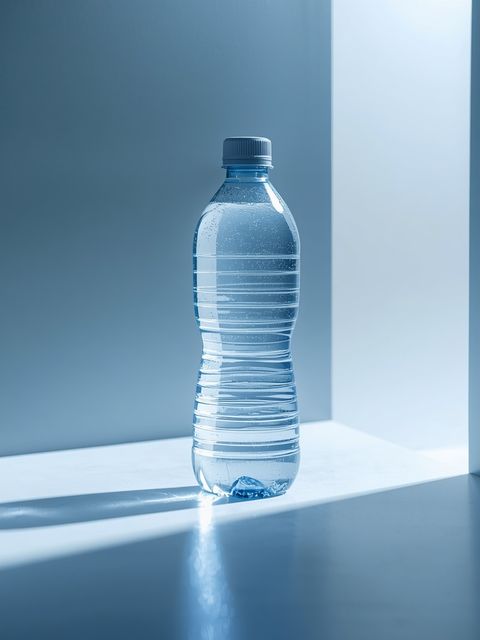
Woda mineralna - wysoko i niskozmineralizowana, złożenie... Jak wybrać najlepszą wodę mineralną?

Anna Schmidt
2026-03-25
3 min. czytania

1 / 1
1 zdjęcie
239
Każdy zdaje sobie sprawę, że spożywanie wody jest korzystne dla zdrowia... Większość z nas codziennie nosi przy sobie butelkę tego płynu i ma przekonanie, że jej styl życia jest zdrowy... jednak niewielu jest świadomych znaczących różnic między wodami mineralnymi dostępnymi w sklepach, a także tego, co kryje się pod określeniami wysoko- i niskozmineralizowanych wód... te odmienności są znaczące i warty poznania, aby świadomie dokonać odpowiedniego wyboru.
Water extracted from underground sources, completely shielded from external influences
This refers to a type of water that is obtained from sealed underground reservoirs. The defining characteristic of this water is its consistent chemical composition and remarkable purity, which are the result of natural processes. It is essential that the extraction method is selected in such a way as to maintain the water's stability and purity.
Highly mineralized drinking water
Highly mineralized drinking water contains over 1500 mg of mineral content per litre. It serves as a valuable source of essential micro- and macro-nutrients that support the body's water-mineral balance and digestive processes. It is particularly beneficial for individuals with calcium and magnesium deficiencies, which affect approximately half of the population. However, such water should only be consumed in specific circumstances, such as in cases of the aforementioned deficiencies or during intense physical activity, as an excess of mineral content can lead to serious health conditions. It is not recommended for individuals with hypertension and kidney disorders, as it may promote kidney stone formation. Additionally, it is unsuitable for children, especially for preparing milk formulas, as an excessive mineral concentration could exceed a child's requirements. In individuals with heart failure, consuming this water may result in increased blood pressure and edema.
Water with an exceptionally low mineral composition
Waters with an exceptionally low mineral composition include those containing less than 50 mg of minerals per litre and those with a maximum of 500 mg per litre. Both types are ideal for daily hydration to quench thirst. Their inclusion in the diet prevents excessive accumulation of mineral compounds, reducing the likelihood of various health issues. Water with minimal mineral content is also safe for children and can be used as a base ingredient for preparing milk mixtures.
Mineral Water Composition: What Minerals Does It Contain?
Mineral water contains a variety of minerals, including calcium, magnesium, iron, chlorine, sodium, iodine, sulphates, bicarbonates, and fluorine. Carbonated water also contains carbon dioxide. Occasionally, trace elements such as potassium, lithium, barium, zinc, or copper may be present, though their quantities are too minimal to have a significant physiological effect.
What type of mineral water is most suitable for daily intake?
Research indicates that low-mineral water is the most appropriate choice for daily consumption. However, individuals with mineral deficiencies, those engaged in strenuous physical activity, or those who sweat excessively should opt for highly mineralized water. Otherwise, an excess of these elements may result in serious health conditions, including kidney stones or hypertension, which poses a significant risk to hypertensive patients.