





Naturopathic Medicine and Herbalism • CLINICAL PROTOCOL

Herbal Infusions and Extracts

Personalized, evidence-based nutrition guidelines (EBM) dedicated to Herbal Infusions and Extracts. Balanced macronutrients, micronutrition, and elimination of pro-inflammatory factors.

Herbal Infusions and Extracts
HOW TO START

It's Easy to Start Today!

Eat Healthy

Precisely selected nutrients supporting metabolic balance and tissue regeneration.

Workout Hard

Physical activity safely tailored to your clinical conditions and baseline endurance.

Enjoy Your Life

Psychoemotional balance, restful sleep, and stress reduction as indispensable pillars of recovery.

SERVICES & PROTOCOLS
Personal Health Program

Personal Health Program

Dedicated medical nutrition therapy and dietary protocols for Herbal Infusions and Extracts.

Personal Fitness Trainer

Personal Fitness Trainer

Tailored workout plan and physical exercise supporting therapy.

Wellness Counseling

Wellness Counseling

Specialist support and continuous monitoring of health progress.

Diet Programs

Diet Programs

Precise calculation of BMR, TDEE, and micronutrient balance.

Refreshing Citrus Background
FREE RECOMMENDATIONS

Change Your Health in One Day!

Special Program for Sensitive Nutrition
POPULAR PROGRAMS & CLINICAL PROTOCOLS

Special Program for Sensitive Nutrition

Individually formulated nutrition protocols for individuals managing specific metabolic and allergic requirements in Herbal Infusions and Extracts.

Allergen exclusion, gut microbiota support, and optimization of carbohydrate-lipid metabolism.

8
Programs
161
Happy Customers
7
Awards
117
Success Stories

Other Groups in Category: Naturopathic Medicine and Herbalism

Articles and Guides in — Herbal Infusions and Extracts

Publications, recommendations, and clinical analysis in Herbal Infusions and Extracts

30 publications
Kidney Dysfunction – A Holistic Therapeutic Approach: The Role of Herbs in Kidney Regeneration and Protection

Kidney Dysfunction – A Holistic Therapeutic Approach: The Role of Herbs in Kidney Regeneration and Protection

A steadily growing patient population grapples with diverse renal dysfunctions, presenting a significant challenge to contemporary medical practice. The implementation of effective therapeutic strategies is paramount to halt disease progression, prevent severe complications—such as organ failure necessitating dialysis or transplantation—and avoid fatal outcomes. While modern pharmacotherapy provides an extensive array of advanced medications, it is critical to acknowledge that prolonged use may adversely affect not only hepatic function but also renal integrity, further burdening an already compromised system. In this context, natural alternatives in the form of medicinal plants emerge as invaluable assets, with properties validated by both traditional knowledge and cutting-edge research. These botanical remedies not only complement conventional treatments but may also facilitate complete tissue regeneration without inflicting additional harm on the organism.


Common wormwood (*Tanacetum vulgare*): pharmacological profile, usage limitations, and thujone toxicity – a comprehensive guide

Common wormwood (*Tanacetum vulgare*): pharmacological profile, usage limitations, and thujone toxicity – a comprehensive guide

Common tansy (Tanacetum vulgare) is an aromatic herb with centuries of traditional use, which has become the subject of stringent toxicological reappraisal in modern clinical medicine. While historical folk practice utilized tansy infusions as anthelmintic and carminative remedies, contemporary pharmacognosy highlights severe neurotoxic and organotoxic hazards primarily driven by beta-thujone. The European Medicines Agency (EMA) and official pharmacopoeias firmly advise against the internal consumption of raw tansy preparations. This comprehensive guide outlines the plant's phytochemical matrix, the precise neuropharmacological mechanisms of thujone toxicity, absolute contraindications (with special emphasis on pregnancy), and the evidence-based parameters for its safe, strictly external application.

Leek in the Daily Diet: Nutritional Values, Calories, and Culinary Inspiration

Leek in the Daily Diet: Nutritional Values, Calories, and Culinary Inspiration

The leek (Allium porrum) belongs to the amaryllis family (Amaryllidaceae), closely related to garlic, onions, and chives. Its edible parts include a tender, elongated bulb with smooth contours and flat, ribbon-like leaves, while the stem forms the so-called “heel”—a shortened, thickened section. Leeks are renowned for their robust, slightly pungent flavor and aromatic profile, which can evoke strong reactions—from enthusiastic appreciation to outright aversion. Historically, they played a crucial role in European cuisine and herbal medicine, yet their nutritional value remains undervalued in modern diets.

Nettle in trichology and phytotherapy: effect on hair growth, iron metabolism, and anemia prevention

Nettle in trichology and phytotherapy: effect on hair growth, iron metabolism, and anemia prevention

Stinging nettle (Urtica dioica) represents a cornerstone botanical in contemporary trichology and herbal medicine. Highly concentrated in bioavailable silica, elemental sulfur, zinc, B-complex vitamins, ascorbic acid, chlorophyll, and non-heme iron, nettle exerts systemic and localized benefits. How do nettle extracts inhibit 5-alpha-reductase to counter DHT-induced hair follicle miniaturization, how do they facilitate ferritin replenishment in iron-deficiency anemia, and how should topical rinses and internal infusions be safely deployed?

Coltsfoot (Tussilago farfara) – traditional properties and uses of leaves and syrup

Coltsfoot (Tussilago farfara) – traditional properties and uses of leaves and syrup

Coltsfoot (Tussilago farfara) is one of the most venerated botanical remedies in respiratory phytotherapy. The mucilage compounds, tannins, and flavonoids concentrated within its leaves and blossoms exert powerful demulcent, antitussive, and anti-inflammatory properties. In this comprehensive monograph, we explore the physiological effects of coltsfoot, preparation methods for medicinal syrups and infusions, and essential safety guidelines regarding pyrrolizidine alkaloids.

Hypericum perforatum – characteristics, mechanisms of action, preparations, and safety profile

Hypericum perforatum – characteristics, mechanisms of action, preparations, and safety profile

Black cohosh (Actaea racemosa, formerly Cimicifuga racemosa) represents an established North American medicinal herb recognized as a premier phytotherapeutic agent for climacteric complaints. Its underground rhizomes concentrate triterpene glycosides and phenolic acids that modulate neuroendocrine pathways, alleviating vasomotor hot flashes, diaphoresis, and sleep fragmentation without exerting unwanted estrogenic proliferation on uterine or mammary tissues.

Traditional and modern beer compositions with herbs: characteristics of the varieties and benefits for the body

Traditional and modern beer compositions with herbs: characteristics of the varieties and benefits for the body

Contemporary breweries continually pursue innovative approaches by incorporating meticulously selected herbal blends into traditional beer formulations, which not only amplify and diversify the beverage’s inherent flavor-aroma complexity but also demonstrate well-documented health-promoting properties. These botanical additives—many with centuries-old medicinal applications—have the potential to support the functioning of multiple bodily systems, alleviate symptoms of common ailments, and provide essential trace elements alongside bioactive compounds.

Bitter wormwood – medicinal properties, methods of use, and potential hazards. Recipes for tea, wine, and liqueur from bitter wormwood

Bitter wormwood – medicinal properties, methods of use, and potential hazards. Recipes for tea, wine, and liqueur from bitter wormwood

Common wormwood, scientifically termed Artemisia absinthium, has been a cornerstone of European and Asian traditional medicine for centuries. Its distinctive bitterness and the presence of bioactive compounds—including absinthin and thujone—render it effective in alleviating digestive discomfort, stimulating appetite, and aiding the body’s detoxification mechanisms. While contemporary herbal medicine has renewed interest in its therapeutic potential, prudence remains essential: excessive consumption or prolonged use of wormwood-based preparations may precipitate severe neurological disturbances or hepatotoxic injury.

Parsley: medicinal properties, use in tea and juices, effect on weight loss – a comprehensive guide

Parsley: medicinal properties, use in tea and juices, effect on weight loss – a comprehensive guide

Cultivated parsley (Petroselinum crispum) is a botanical possessing remarkable phytotherapeutic potency, traditionally employed for renal, urinary, and digestive conditions. This comprehensive guide details the biochemical actions of parsley leaf infusions, decoctions, and fresh juices, exploring their diuretic efficacy and critical safety contraindications in pregnancy.

Enterobiasis – persistent itching, hyperactivity, and therapeutic strategies. Herbal medicine in combating intestinal parasites

Enterobiasis – persistent itching, hyperactivity, and therapeutic strategies. Herbal medicine in combating intestinal parasites

Persistent perianal pruritus, coupled with heightened motor restlessness—particularly during evening and nocturnal hours—constitutes hallmark symptoms of Enterobius vermicularis infection, commonly referred to as pinworm infestation. Is this parasitic invasion confined solely to pediatric populations, or may it likewise affect individuals across all age groups? What additional clinical manifestations accompany enterobiasis, and which therapeutic modalities—ranging from pharmacological interventions to evidence-based phytotherapeutic protocols—can be employed to achieve parasitic eradication and symptomatic relief?

Wild rose and its fruits: characterization of bioactive components, drying preservation methods, and potential practical applications in dietetics and herbal medicine

Wild rose and its fruits: characterization of bioactive components, drying preservation methods, and potential practical applications in dietetics and herbal medicine

Over recent years, there has been a notable resurgence of interest in medicinal and edible plants that, for centuries, formed the cornerstone of both traditional folk medicine and daily nutrition before being displaced by modern pharmaceutical formulations and industrially processed foods. Among these overlooked yet extraordinarily valuable species, the wild rose (Rosa spp.) occupies a distinguished position, with its fruits—commonly referred to as rose hips—exhibiting a distinctive phytochemical composition. Scientific evidence substantiates that the compounds present within these fruits demonstrate multifaceted health-promoting effects, rendering them a subject of rigorous investigation in the context of preventing lifestyle-related diseases and augmenting complementary therapeutic interventions.

Marshmallow oil – medicinal properties, joint regeneration, allantoin, and safe external use

Marshmallow oil – medicinal properties, joint regeneration, allantoin, and safe external use

Comfrey (Symphytum officinale) has been esteemed since antiquity as a preeminent botanical remedy for musculoskeletal repair. Comfrey-infused oil, prepared via traditional maceration of fresh roots in a nourishing carrier oil, is rich in allantoin, rosmarinic acid, and tannins. It relieves joint and spinal discomfort, accelerates soft tissue healing, and restores damaged skin, provided it is strictly utilized for topical applications only.

Black Seed Oil (Nigella sativa) – Properties, Thymochinone, Dosage, and Application

Black Seed Oil (Nigella sativa) – Properties, Thymochinone, Dosage, and Application

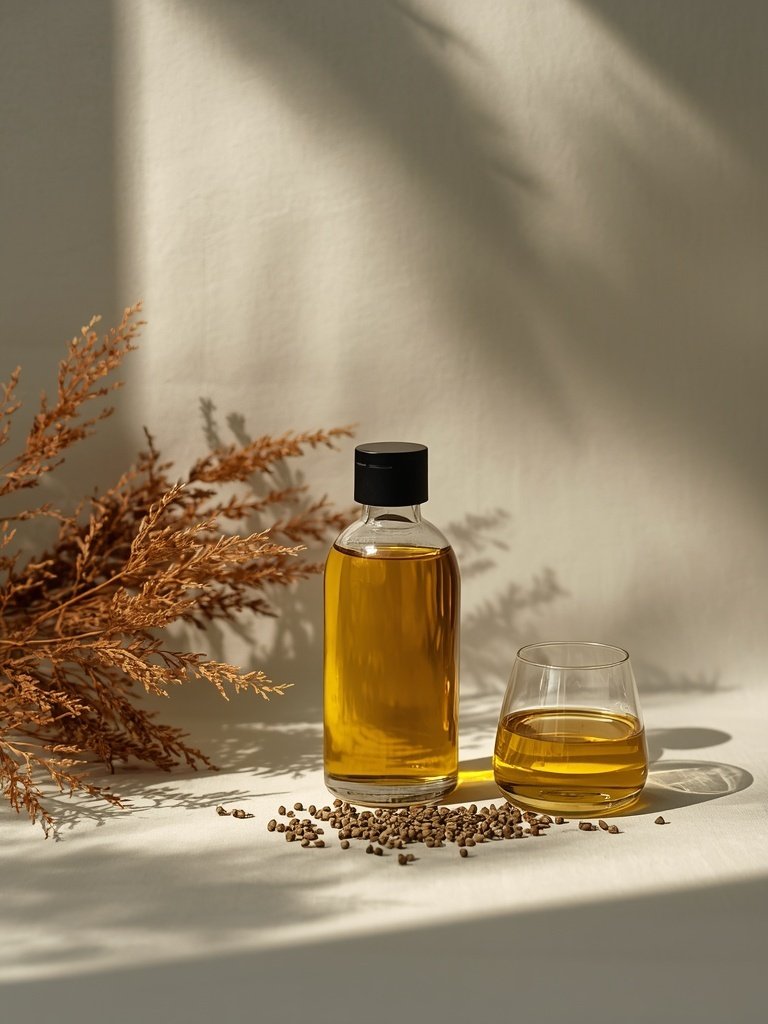
Black cumin seeds (Nigella sativa) represent one of the most thoroughly investigated botanical resources in modern phytotherapy. Cold-pressed black seed oil, enriched with a volatile fraction dominated by thymoquinone, essential unsaturated fatty acids, and natural antioxidants, exerts pronounced immunomodulatory, anti-inflammatory, and bronchodilatory actions that support metabolic and respiratory wellness.

Liver regeneration and protection – optimal dietary strategies, herbal medicine, and natural methods to support liver cell regeneration

Liver regeneration and protection – optimal dietary strategies, herbal medicine, and natural methods to support liver cell regeneration

The liver serves as an indispensable hub for maintaining systemic equilibrium, engaging in detoxification processes, metabolic transformations, and the storage of essential nutrients—including fat-soluble vitamins and trace minerals. Its optimal performance may be compromised by factors such as chronic consumption of ultra-processed foods, substance abuse, prolonged pharmaceutical use, or environmental toxin exposure. Are there scientifically validated methods to facilitate the regeneration of this vital organ? Which dietary components and botanical agents demonstrate the most potent hepatoprotective and detoxifying properties?Contemporary clinical nutrition emphasizes that targeted dietary interventions and evidence-based herbal extracts can significantly improve hepatic function and reduce inflammatory pathways. This comprehensive guide explores the scientific mechanisms of liver regeneration, practical nutritional protocols, and proven botanical remedies designed to restore liver health.

Natural body detoxification thanks to the properties of millet – how to choose the best product and utilize its full cleansing potential

Natural body detoxification thanks to the properties of millet – how to choose the best product and utilize its full cleansing potential

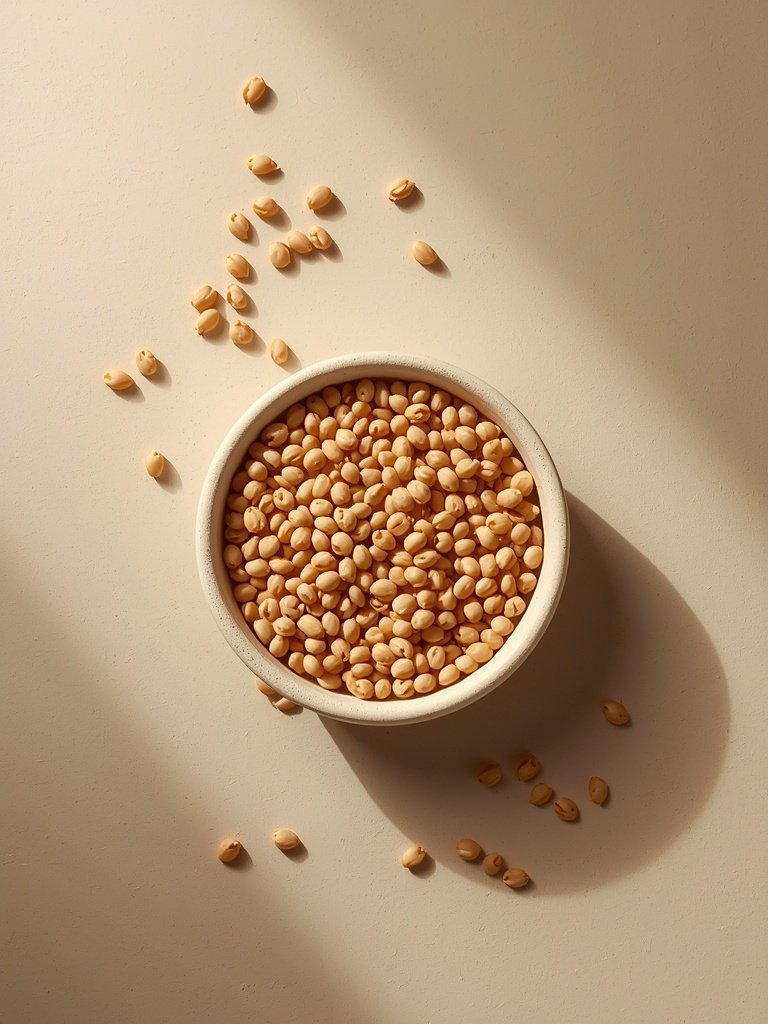
Amid the rising popularity of diverse detoxification aids—ranging from synthetic supplements to herbal concoctions—it is easy to overlook the fact that the most effective and simultaneously safest solutions often lie in traditional, minimally processed food products. Among these, millet groats stand out due to their unique detoxifying properties, which have been validated by both centuries-old culinary traditions and contemporary scientific research. What specific mechanisms underlie its ability to eliminate toxins from the body? And what criteria should guide the selection of the appropriate millet variety to ensure maximum efficacy in the cleansing process while minimizing the risk of adverse effects?

Natural liver cleansing methods: how to support its regeneration with herbs and a balanced diet!

Natural liver cleansing methods: how to support its regeneration with herbs and a balanced diet!

The liver plays a pivotal role within the human body by selectively absorbing essential nutrients while concurrently processing and neutralizing harmful metabolites derived from pharmaceuticals, alcoholic beverages, and various chemical compounds, which are ultimately excreted via the renal system. However, the accumulation of toxic substances within hepatic tissue progressively impairs its operational efficiency, thereby adversely affecting overall bodily functions—including digestive processes, detoxification pathways, and the synthesis of critical proteins and enzymes. Implementing targeted dietary modifications and herbal support is essential to foster tissue repair and maintain long-term metabolic health.

Insomnia – causes, neurobiology of sleep, circadian hygiene principles, and phytotherapy in the treatment of insomnia

Insomnia – causes, neurobiology of sleep, circadian hygiene principles, and phytotherapy in the treatment of insomnia

Chronic insomnia afflicts approximately 30–40% of modern populations, representing a major independent risk factor for cardiovascular disease, major depressive disorder, and metabolic dysregulation. Characterized by prolonged sleep onset latency, frequent nocturnal awakenings, or non-restorative sleep, it demands comprehensive clinical evaluation. This guide reviews the neurobiology of sleep-wake cycles (suprachiasmatic nucleus, HPA axis, melatonin secretion), evidence-based behavioral sleep hygiene, and validated botanical medicines (valerian root, hops, passionflower, lemon balm).

The therapeutic secrets of comfrey: from tradition to modern application

The therapeutic secrets of comfrey: from tradition to modern application

European goldenrod (Solidago virgaurea L.) is an esteemed botanical in European phytotherapy, formally endorsed for lower urinary tract flushing and inflammatory urological conditions. This review evaluates its phytochemical composition (flavonoids, triterpenoid saponins, leiocarposide), diuretic mechanisms, and practical clinical applications.

Effective natural alternatives in the fight against depression: St. John's wort, cocoa, B and D vitamins, adaptogens, and omega-3

Effective natural alternatives in the fight against depression: St. John's wort, cocoa, B and D vitamins, adaptogens, and omega-3

Depressive disorders and subclinical mood disturbances demand multifaceted neurobiological modulation. Integrative nutritional psychiatry increasingly implements validated natural compounds that re-equilibrate monoaminergic neurotransmission, augment hippocampal neuroplasticity (BDNF), and attenuate systemic neuroinflammation.

Plant-based alternatives to antibiotics: natural substances with strong antimicrobial activity and their therapeutic potential

Plant-based alternatives to antibiotics: natural substances with strong antimicrobial activity and their therapeutic potential

Amid escalating global antimicrobial resistance (AMR), plant-derived phytoncides and secondary metabolites represent an indispensable reservoir of complementary antimicrobial therapeutics. This clinical review evaluates the pharmacology, molecular targets, and indications of leading natural agents: allicin from garlic, carvacrol from oregano, and the isoquinoline alkaloid berberine.

Comparison of the medicinal properties of comfrey seeds and root in pediatric therapy – analysis of applications

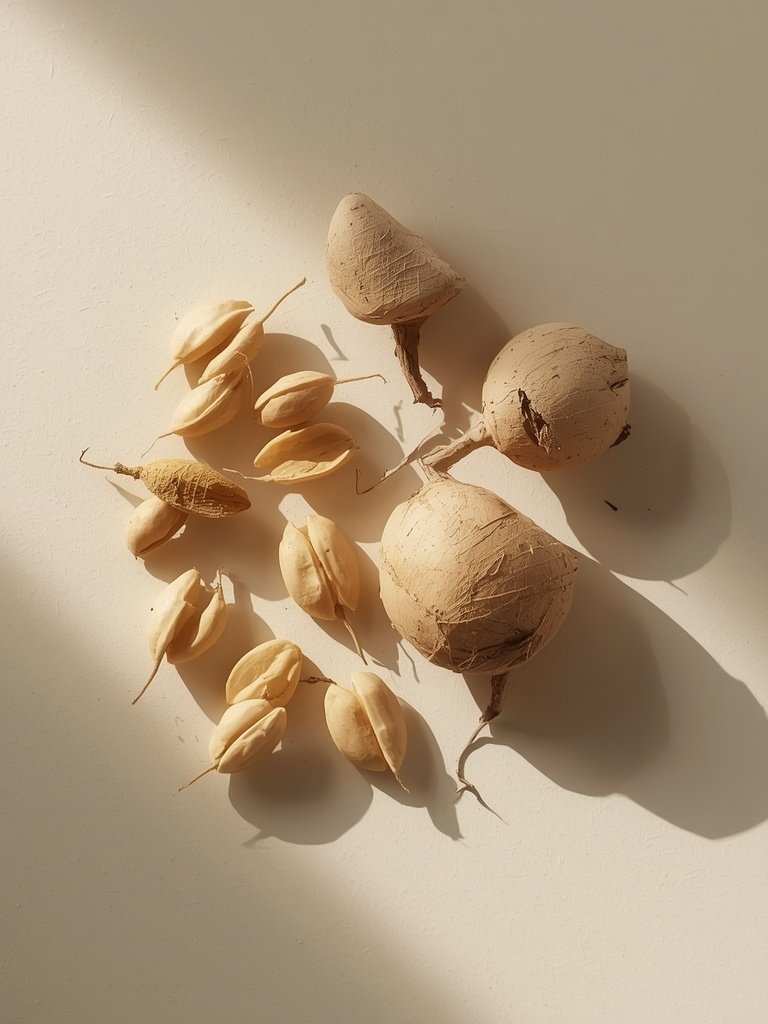
Comparison of the medicinal properties of comfrey seeds and root in pediatric therapy – analysis of applications

Yellow dock (genus Rumex, primarily Rumex crispus and Rumex obtusifolius) represents a traditional botanical agent characterized by potent astringent, anti-inflammatory, and motility-modulating properties. This clinical review evaluates the phytochemical divergence between dock root and seeds, emphasizing pediatric safety parameters, dosing precautions, and toxicity thresholds.

Calendula officinalis – comprehensive medicinal properties: ointment, infusion, oil, and tincture in phytotherapy

Calendula officinalis – comprehensive medicinal properties: ointment, infusion, oil, and tincture in phytotherapy

Pot Marigold (Calendula officinalis) represents one of the most clinically established botanical medicines in integrative dermatology. Rich in anti-inflammatory faradiol monoesters, flavonoids, carotenoids, and triterpene saponins, it accelerates epithelial granulation, stimulates cellular tissue repair, and resolves mucosal and dermal inflammation.

Hypertension in pregnant women – safe management, monitoring, and limitations of phytotherapy

Hypertension in pregnant women – safe management, monitoring, and limitations of phytotherapy

Hypertensive disorders of pregnancy affect approximately 6–10% of expectant mothers, representing a paramount obstetric challenge. Timely differentiation between chronic hypertension, gestational hypertension, and preeclampsia is essential to prevent maternal-fetal morbidity. Crucially, conventional hypotensive herbs are strictly contraindicated due to potential uterotonic and teratogenic actions.

Is phytotherapy truly an effective therapy based on plant ingredients? Scientific evidence and clinical practice

Is phytotherapy truly an effective therapy based on plant ingredients? Scientific evidence and clinical practice

Phytotherapy, or evidence-based herbal medicine, is undergoing a profound renaissance in modern integrative healthcare. Utilizing cutting-edge analytical methodologies such as high-performance liquid chromatography (HPLC) and DNA barcoding, botanical preparations have evolved from folkloric remedies into rigorous, standardized pharmaceuticals with verified pharmacokinetic and pharmacodynamic profiles.

Peppermint: a versatile remedy for digestive, liver, kidney problems, and diarrhea with documented effects

Peppermint: a versatile remedy for digestive, liver, kidney problems, and diarrhea with documented effects

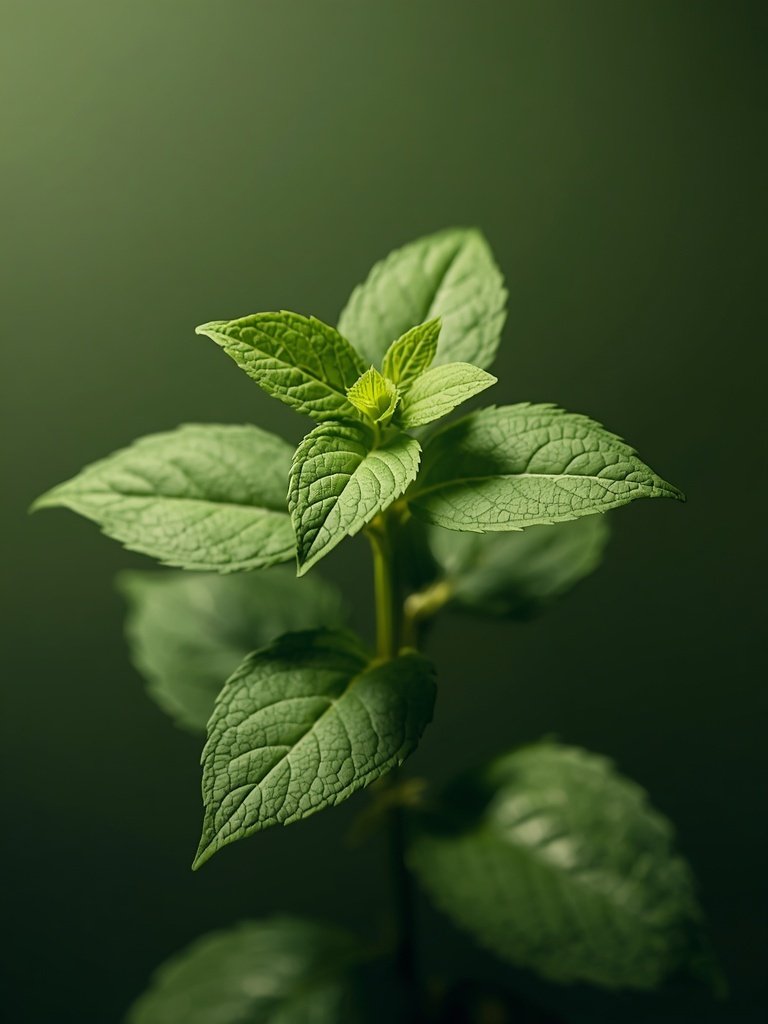
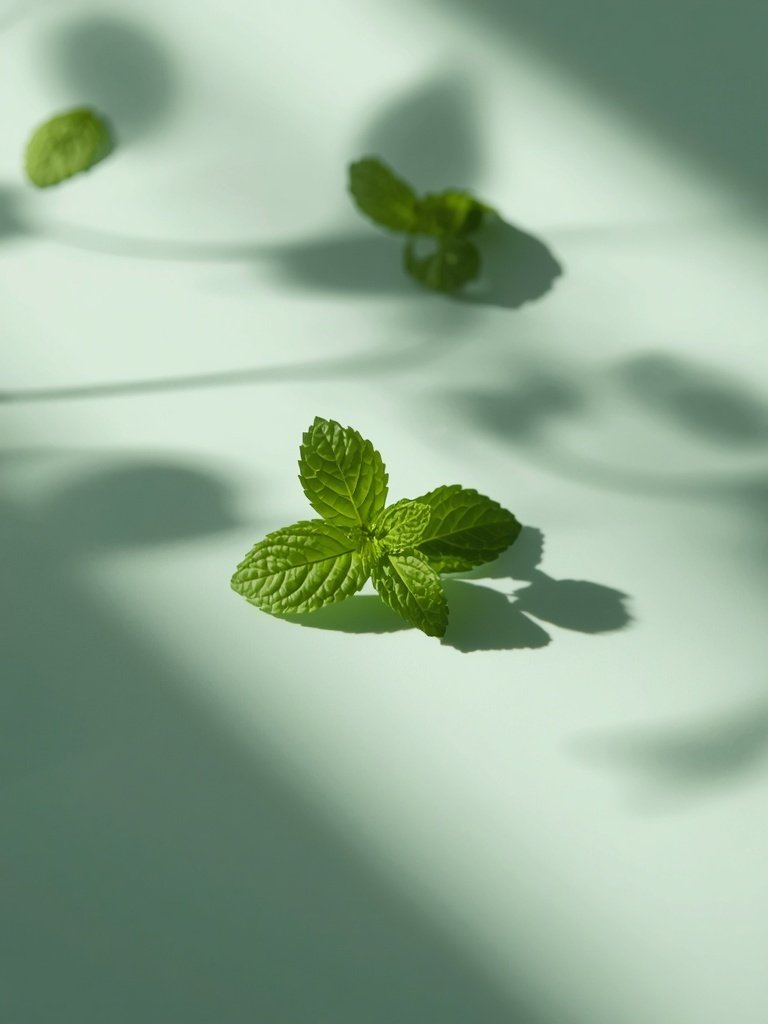
Peppermint (Mentha piperita), a natural sterile hybrid of watermint and spearmint, stands as one of the premier essential oil botanicals in gastroenterological phytotherapy. Its pharmacological potency is anchored in volatile menthol (comprising up to 50% of the oil), menthone, and antioxidant polyphenols (rosmarinic acid, luteolin). Peppermint exerts potent spasmolytic relaxation on intestinal smooth muscle by modulating calcium influx, stimulates hepatic bile flow, and relieves irritable bowel syndrome (IBS) distress. This guide explores physiological pathways, digestive benefits, and critical contraindications in GERD.

Use of white mulberries in weight loss – potential side effects and usage recommendations

Use of white mulberries in weight loss – potential side effects and usage recommendations

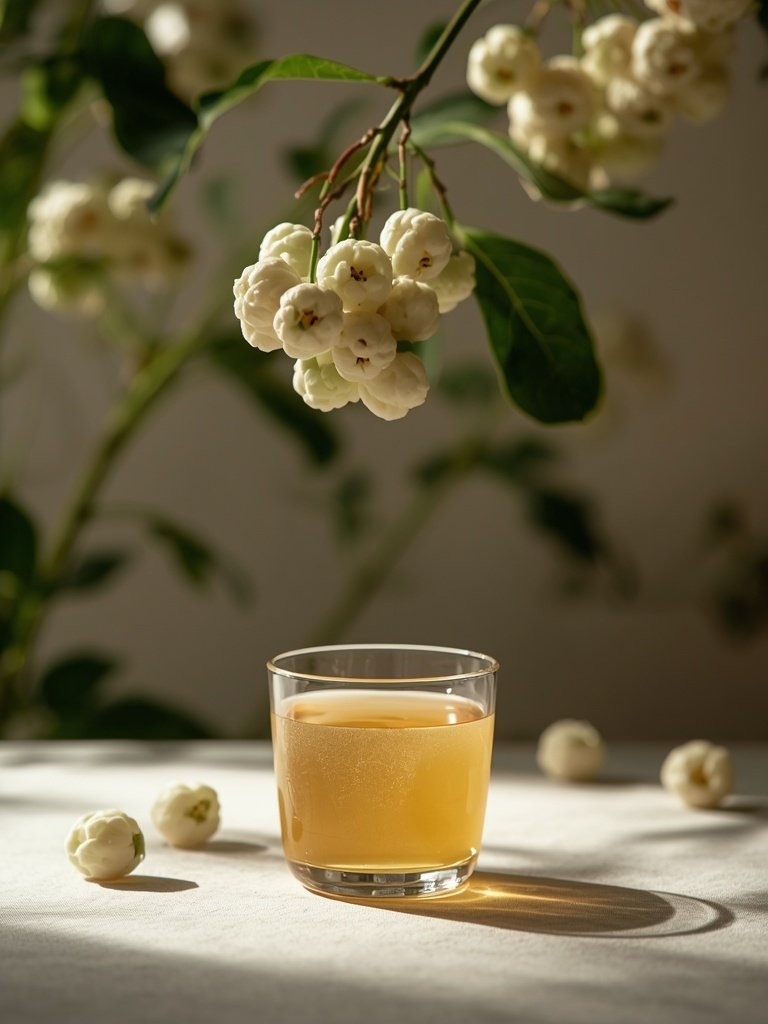
White mulberry (Morus alba) represents one of the premier botanical interventions for targeted adipose reduction and postprandial glycemic stabilization. The specialized iminosugar 1-deoxynojirimycin (1-DNJ) competitively blunts intestinal carbohydrate digestion, attenuating acute surges of insulin—the principal lipogenic hormone that halts ongoing adipose oxidation. This clinical guide covers cellular mechanisms in body composition, gastrointestinal tolerance profiles, adverse reactions, and practical dietary integration.

White mullein – characteristics, uses, and health benefits: tea and drinks from mullein leaves and fruits in metabolic prevention

White mullein – characteristics, uses, and health benefits: tea and drinks from mullein leaves and fruits in metabolic prevention

White mulberry (Morus alba) is an esteemed botanical in Asian integrative medicine, recognized for its metabolic regulatory capacity over carbohydrate and lipid pathways. The most potent bioactive constituent localized within mulberry leaves is 1-deoxynojirimycin (DNJ)—a polyhydroxylated piperidine alkaloid acting as a potent competitive inhibitor of intestinal alpha-glucosidase enzymes. This clinical review evaluates the postprandial glucose-lowering mechanisms of leaf teas, the antioxidant density of the sweet syncarpous fruits, and practical protocols for metabolic syndromic control.

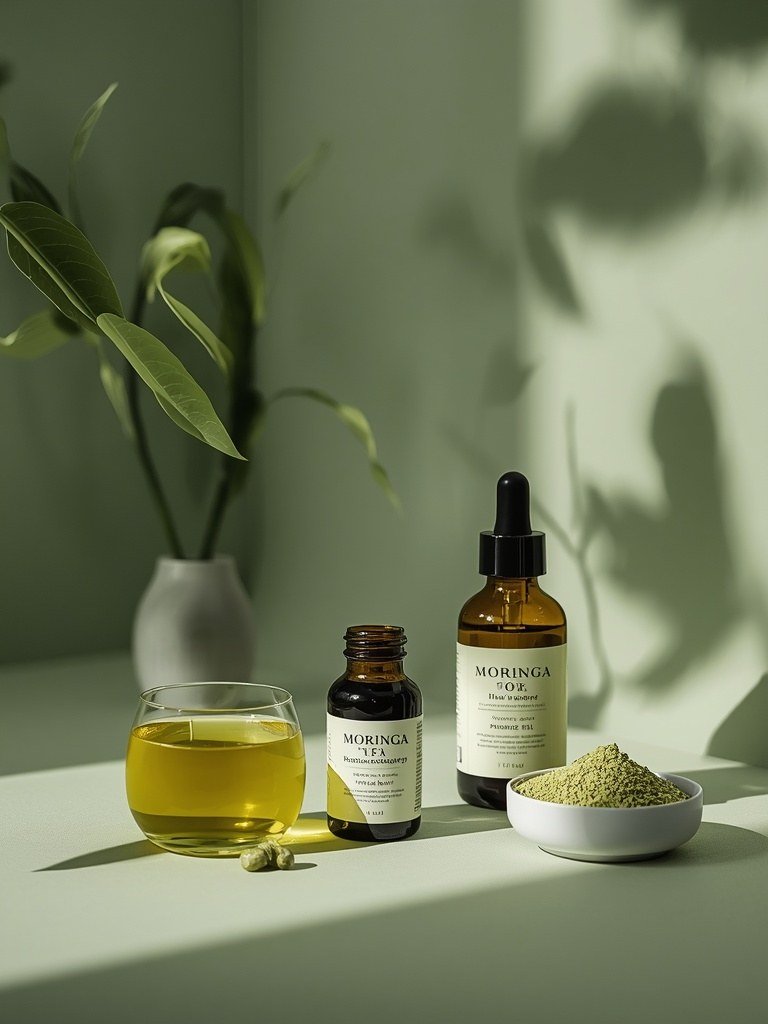
Moringa in different forms – how to recognize a genuine product and how to use it correctly: tea, oil, capsules, or powder?

Moringa in different forms – how to recognize a genuine product and how to use it correctly: tea, oil, capsules, or powder?

Moringa (Moringa oleifera), frequently hailed as the 'miracle tree', represents one of the most chemically rich botanical species utilized in ethnopharmacology. Its leaves, seeds, and extracted oils harbor dense concentrations of essential amino acids, isothiocyanates, flavonoids, and unsaturated fatty acids. This clinical guide details authentication criteria, bioavailability across various delivery formats (infusions, cold-pressed oils, standardized capsules, whole powders), and evidence-based safety parameters.

Common nettle – medicinal properties and practical applications in phytotherapy and traditional natural medicine

Common nettle – medicinal properties and practical applications in phytotherapy and traditional natural medicine

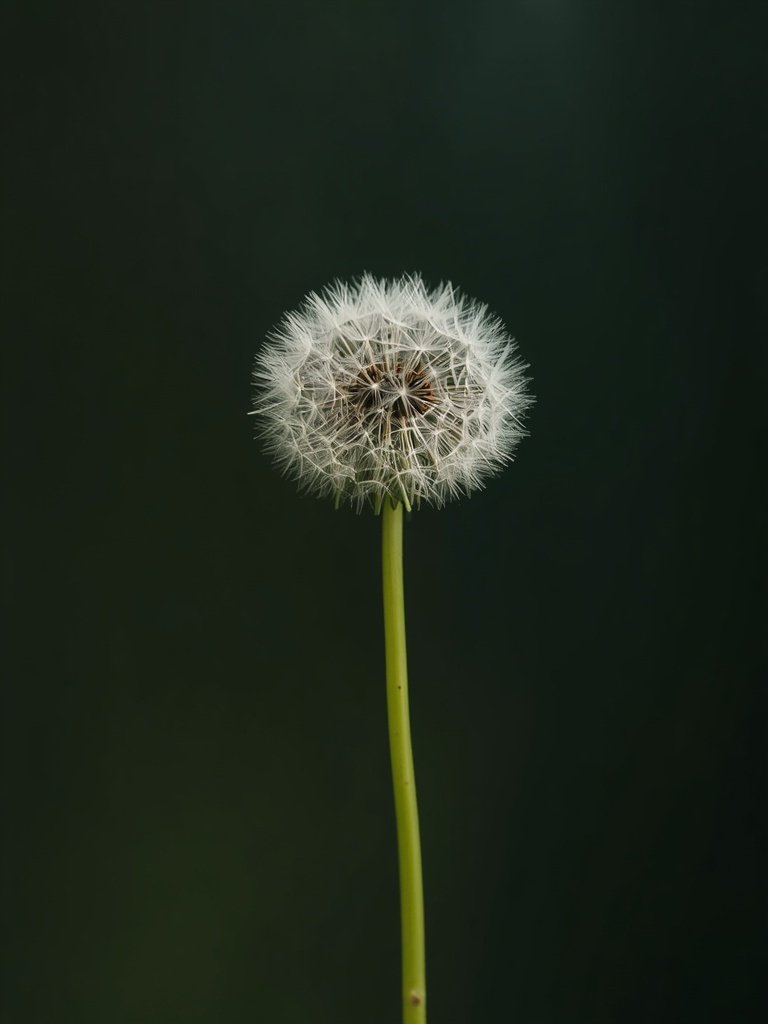
Common dandelion (Taraxacum officinale), frequently referred to in vernacular language as blowball or yellow weed, is among the most ubiquitous yet therapeutically versatile botanical species in European phytotherapy. While often dismissed by lawnkeepers as an obstinate garden weed, naturopathic and clinical traditions have long utilized its roots, leaves, and inflorescences as a potent liver cholagogue, natural diuretic, and metabolic stimulant. This monograph details its bioactive phytochemical profile and therapeutic applications.

Mentha piperita: A comprehensive analysis of the properties and applications of peppermint in the context of health and pharmacology

Mentha piperita: A comprehensive analysis of the properties and applications of peppermint in the context of health and pharmacology

This document provides an exhaustive exploration of the botanical, biochemical, and clinical dimensions of *Mentha × piperita*, with an emphasis on its role in evidence-based medicine, herbal therapeutics, and industrial applications of its extracts. The discussion is grounded in contemporary research and meta-analyses to ensure a rigorous and authoritative treatment of the subject.

Share