Marshmallow oil – medicinal properties, joint regeneration, allantoin, and safe external use
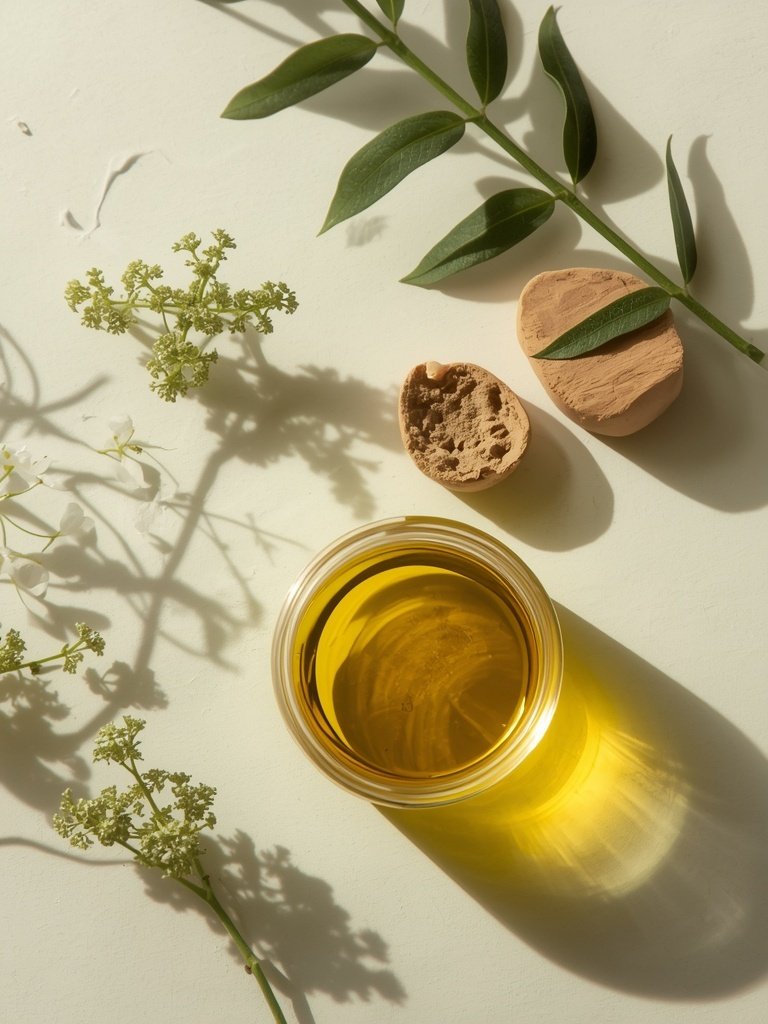
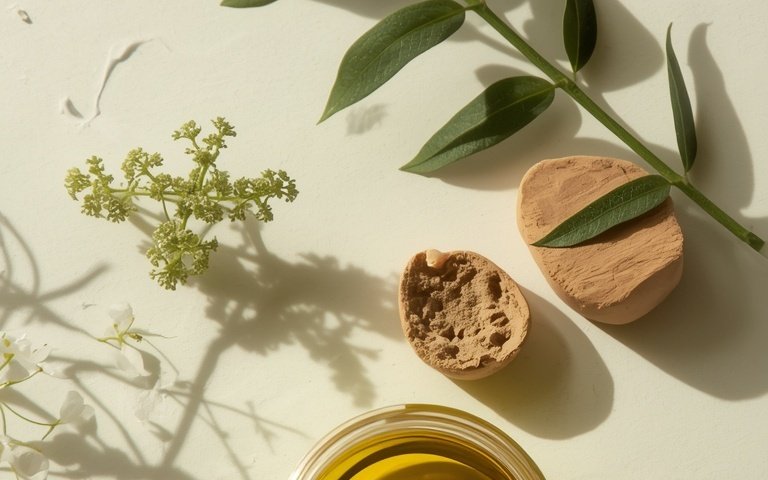
Table of Contents 3
Medical & Editorial Disclaimer (§3 Terms): This article is for informational and educational purposes only, does not constitute medical advice, diagnosis, or treatment, and is used at your own risk. Consult a qualified physician for medical conditions.
The therapeutic profile is driven by allantoin, a compound that promotes cell proliferation and supports the health of connective and bone tissues. This is complemented by rosmarinic acid and tannins, which provide soothing and anti-inflammatory benefits. These bioactive compounds work synergistically to alleviate rheumatic stiffness and support the recovery of damaged skin, leveraging natural physiological mechanisms to improve tissue elasticity and overall structural integrity.
To ensure safety, comfrey oil must be used strictly for external application on intact skin and should never be applied to open wounds. Usage should be limited to specific periods throughout the year rather than continuous application, and it is contraindicated for those who are pregnant or breastfeeding. Gently massaging the oil into affected areas allows the herbal constituents to support recovery effectively, provided the user adheres to these essential safety guidelines for topical botanical care.
Comfrey (Symphytum officinale) has been esteemed since antiquity as a preeminent botanical remedy for musculoskeletal repair. Comfrey-infused oil, prepared via traditional maceration of fresh roots in a nourishing carrier oil, is rich in allantoin, rosmarinic acid, and tannins. It relieves joint and spinal discomfort, accelerates soft tissue healing, and restores damaged skin, provided it is strictly utilized for topical applications only.
Botanical profile and comfrey oil maceration
Common comfrey is a perennial herb of the Boraginaceae family, flourishing in damp meadows and along stream banks. Its thick, fleshy root system serves as the primary medicinal reservoir.
Comfrey oil is crafted through the slow maceration of dried roots in a carrier oil (such as sunflower or olive oil). Important notice: Due to hepatotoxic pyrrolizidine alkaloids, comfrey preparations must never be ingested internally and remain strictly for topical use.
Action on joints, spinal pain, contusions, and musculoskeletal repair
The key active compound in comfrey is allantoin—a substance that accelerates cell proliferation, granulation, and osteoblast activity in bone and connective tissues. It is complemented by rosmarinic acid, a potent analgesic and anti-inflammatory agent.
Massaging the infused oil into aching joints, knees, and back muscles provides pronounced relief from rheumatic stiffness, sprains, contusions, and tendonitis.
Cosmetic skincare applications and safety rules
Comfrey oil is similarly valued in skincare for mature, demanding skin. Allantoin stimulates epidermal renewal, improves tissue elasticity, and smooths fine wrinkles.
Safety guidelines: Do not apply comfrey oil to open, bleeding lacerations. Topical applications should be restricted to a maximum of 4–6 weeks per calendar year, and use is contraindicated during pregnancy and lactation.
Want to apply these guidelines in your daily diet?
Our smart diet generator creates a tailored meal plan in 3 minutes based on the recommendations in this article.
Tags

Wojciech Wiśniewski
• 25.11.2026Diets Premium Expert
Diets Premium team expert. Specializes in nutrition plans, strength sports, and training plans.