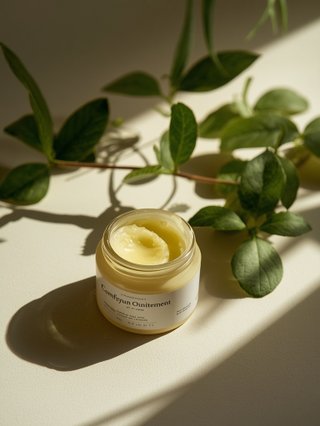
Comparison of the medicinal properties of comfrey seeds and root in pediatric therapy – analysis of applications
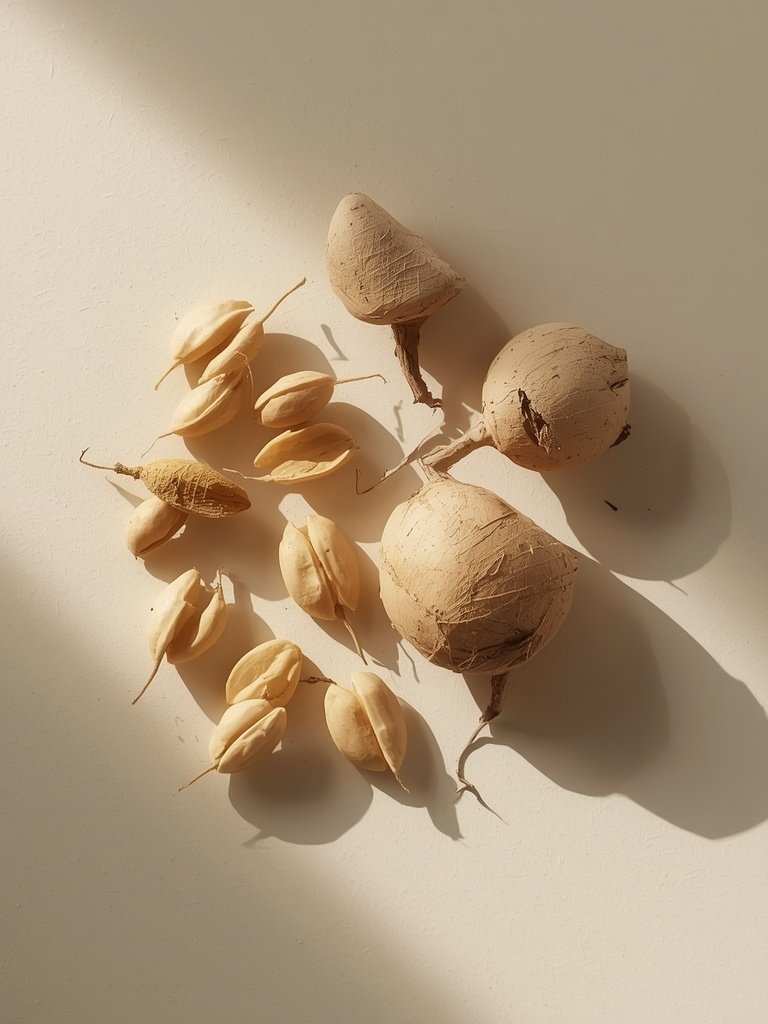
Table of Contents 3
Medical & Editorial Disclaimer (§3 Terms): This article is for informational and educational purposes only, does not constitute medical advice, diagnosis, or treatment, and is used at your own risk. Consult a qualified physician for medical conditions.
Across the evaluated chapters, the text contrasts the phytochemical characteristics of dock root against those of the seeds. The root delivers active constituents such as anthraquinones and tannins that influence secretory and motility processes, whereas the seeds feature condensed tannins geared toward prominent astringent and barrier-supporting actions. Furthermore, physiological considerations regarding mucosal protection, oxalate metabolism, and renal filtration limits are thoroughly addressed to contextualize overall tolerability.
Practical takeaways emphasize the utmost caution required when considering herbal remedies for vulnerable populations. Potent root preparations are strictly contraindicated due to the risk of strong abdominal responses, and gentle seed infusions demand expert clinical supervision and professional oversight. Consulting qualified medical practitioners remains an essential guideline for ensuring optimal safety and well-being in daily health management.
Yellow dock (genus Rumex, primarily Rumex crispus and Rumex obtusifolius) represents a traditional botanical agent characterized by potent astringent, anti-inflammatory, and motility-modulating properties. This clinical review evaluates the phytochemical divergence between dock root and seeds, emphasizing pediatric safety parameters, dosing precautions, and toxicity thresholds.
Phytochemical Profile and Therapeutic Properties of Yellow Dock Root (*Radix Rumicis*)
Yellow dock root is rich in anthraquinone derivatives (notably emodin and chrysophanol), catechintype tannins, and highly bioavailable organic iron complexes synergistic with endogenous flavonoids. Aqueous root decoctions exert mild choleretic, digestive-secretory, and dosedependent laxative actions.
- Astringent and antimicrobial activity: Tannins denature mucosal surface proteins, forming a protective biological barrier that mitigates hypersecretion and retards bacterial proliferation in acute enteritis.
- Hematopoietic support: The unique co-occurrence of bioavailable iron and ascorbic acid precursors serves as an adjunctive therapeutic measure during convalescence from iron-deficiency anemia.
- Preparation: Standard adult decoction utilizes 1 tablespoon of dried root per 250 ml water, simmered for 5–10 minutes, consumed in divided daily doses.
Therapeutic Application of Dock Seeds (*Semen Rumicis*) in Enteropathy and Dermatology
Dock seeds present a distinctly divergent pharmacological profile compared to the root: they feature negligible anthraquinone concentrations, being heavily dominated by condensed tannins that exert prominent antidiarhetic and astringent effects.
- Management of acute diarrhea: Seed decoctions suppress excessive intestinal hypermotility and decrease enterocyte electrolyte efflux without irritating the intestinal lining.
- Dermatological compresses: Topical applications alleviate weeping cutaneous lesions, furuncles, and superficial abrasions through mild antiseptic and styptic mechanisms.
Pediatric Precautions: Oxalate Metabolism, Renal Risks, and Clinical Contraindications
In pediatric populations, potent root decoctions are strictly contraindicated due to anthraquinone-induced abdominal cramping and rapid fluid shifts. Mild seed infusions may only be considered under qualified supervision in children above 3 years of age.
- Oxalate nephrotoxicity: Species of Rumex concentrate soluble oxalates. Immature glomerular filtration systems in young pediatric cohorts risk precipitating calcium oxalate crystal deposition, tubular necrosis, and nephrolithiasis.
- Hypocalcemia and neuromuscular irritability: Excessive oxalate intake binds systemic ionized calcium, predisposing vulnerable infants to tetany and neuromuscular dysfunction.
- Absolute contraindications: Children under 36 months, pre-existing nephropathies, inflammatory bowel diseases (IBD), and concurrent maternal lactation.
Want to apply these guidelines in your daily diet?
Our smart diet generator creates a tailored meal plan in 3 minutes based on the recommendations in this article.

mgr Mateusz Pawlak
• 25.11.2026Diets Premium Expert
Diets Premium team expert. Specializes in nutrition plans, strength sports, and training plans.