



Naturopathic Medicine and Herbalism • CLINICAL PROTOCOL

Herbalism

Personalized, evidence-based nutrition guidelines (EBM) dedicated to Herbalism. Balanced macronutrients, micronutrition, and elimination of pro-inflammatory factors.

Herbalism
HOW TO START

It's Easy to Start Today!

Eat Healthy

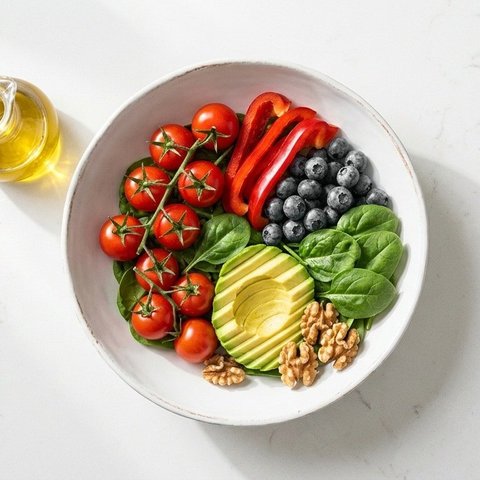
Precisely selected nutrients supporting metabolic balance and tissue regeneration.

Workout Hard

Physical activity safely tailored to your clinical conditions and baseline endurance.

Enjoy Your Life

Psychoemotional balance, restful sleep, and stress reduction as indispensable pillars of recovery.

SERVICES & PROTOCOLS
Personal Health Program

Personal Health Program

Dedicated medical nutrition therapy and dietary protocols for Herbalism.

Personal Fitness Trainer

Personal Fitness Trainer

Tailored workout plan and physical exercise supporting therapy.

Wellness Counseling

Wellness Counseling

Specialist support and continuous monitoring of health progress.

Diet Programs

Diet Programs

Precise calculation of BMR, TDEE, and micronutrient balance.

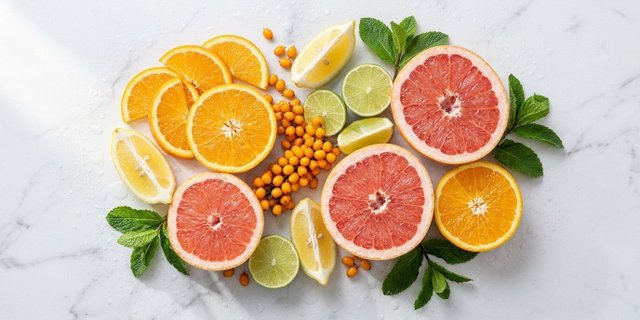
Refreshing Citrus Background
FREE RECOMMENDATIONS

Change Your Health in One Day!

Special Program for Sensitive Nutrition
POPULAR PROGRAMS & CLINICAL PROTOCOLS

Special Program for Sensitive Nutrition

Individually formulated nutrition protocols for individuals managing specific metabolic and allergic requirements in Herbalism.

Allergen exclusion, gut microbiota support, and optimization of carbohydrate-lipid metabolism.

8
Programs
161
Happy Customers
7
Awards
117
Success Stories

Other Groups in Category: Naturopathic Medicine and Herbalism

Articles and Guides in — Herbalism

Publications, recommendations, and clinical analysis in Herbalism

30 publications
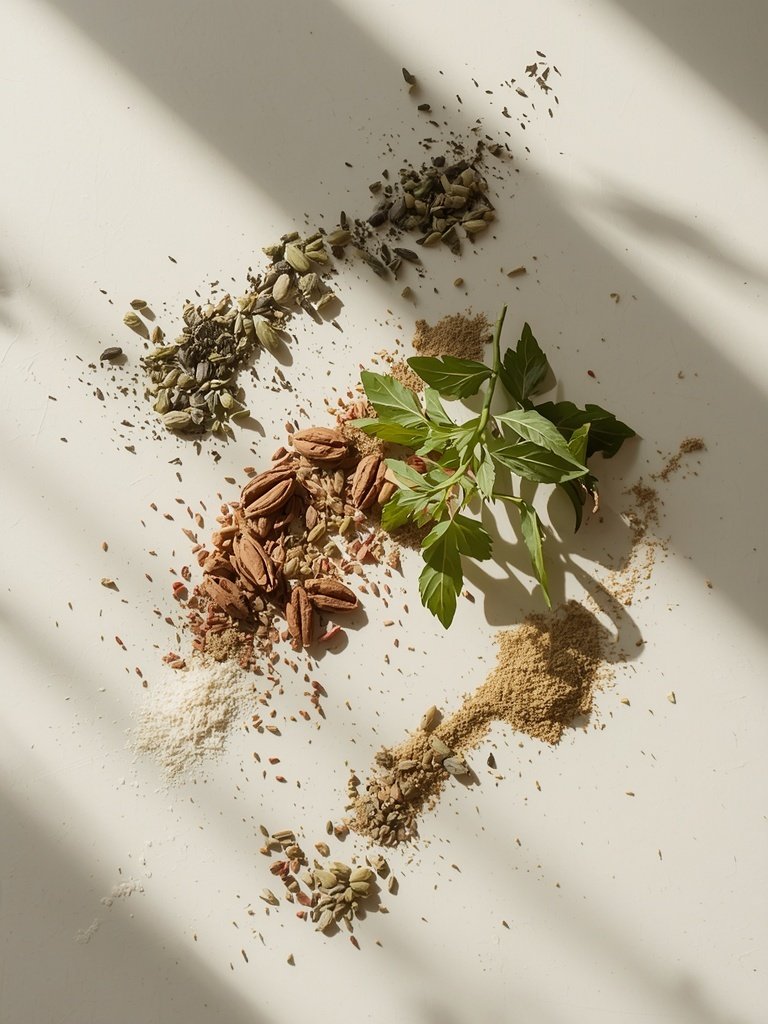
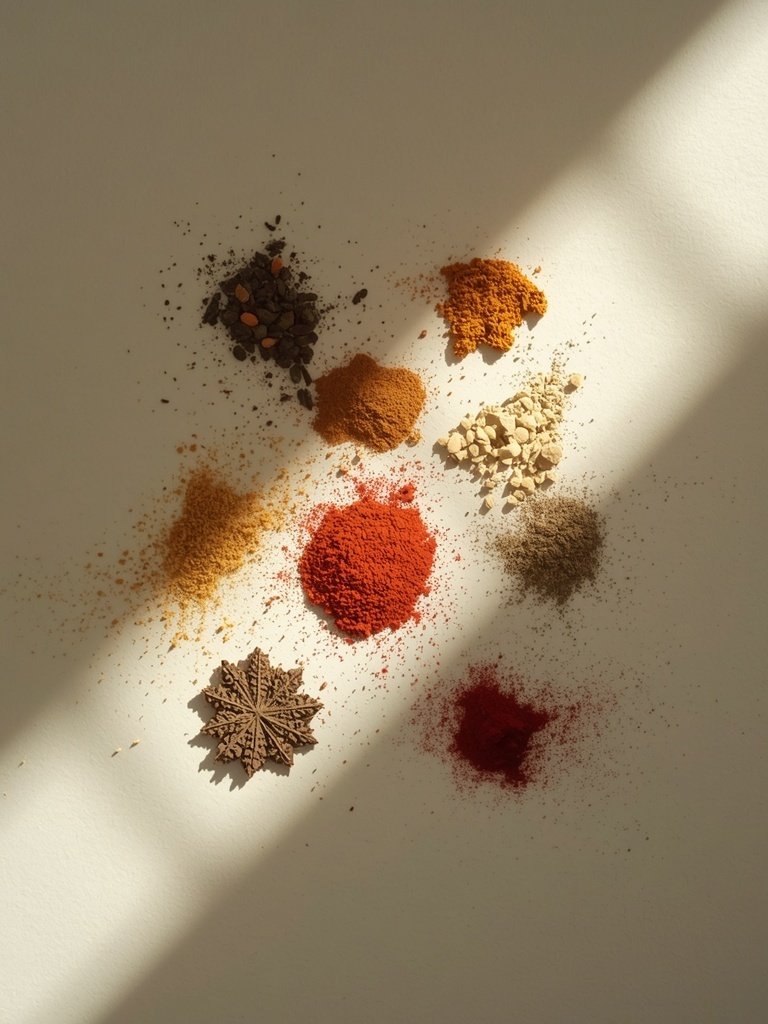
Aromatic culinary additions that revolutionize the taste of dishes and effectively replace salt in the daily diet

Aromatic culinary additions that revolutionize the taste of dishes and effectively replace salt in the daily diet

Table salt is universally embraced as a culinary flavor enhancer, yet excessive dietary sodium represents a primary clinical driver of hypertension, cerebrovascular accidents, and renal dysfunction. While the World Health Organization (WHO) urges limiting sodium intake to under 5 g of salt daily, the modern diet routinely delivers double this threshold. Slashing sodium never requires resigning oneself to bland, tasteless meals. Utilizing aromatic culinary herbs, pungent roots, citrus zests, and umami-rich natural spices unlocks intricate gastronomic dimensions, elevating everyday dining while safeguarding cardiovascular health.
The Role of Spices in a Children's Diet – Beneficial, Permissible, and Contraindicated Flavorings

The Role of Spices in a Children's Diet – Beneficial, Permissible, and Contraindicated Flavorings

The foundational development of taste preferences begins in utero and during lactation, accelerating dramatically during complementary feeding introduction after 6 months of age. Pervasive misconceptions often lead caregivers to avoid seasonings entirely, serving bland, uninspiring purees. In reality, introducing natural herbs and gentle spices is not only developmentally safe but exceptionally beneficial: it cultivates broad palate acceptance, stimulates digestive secretions, and supplies natural phytonutrients. However, parental discernment is essential to clearly delineate gentle, therapeutic botanicals from contraindicated additives such as sodium chloride, synthetic flavor enhancers, and fiery irritants.

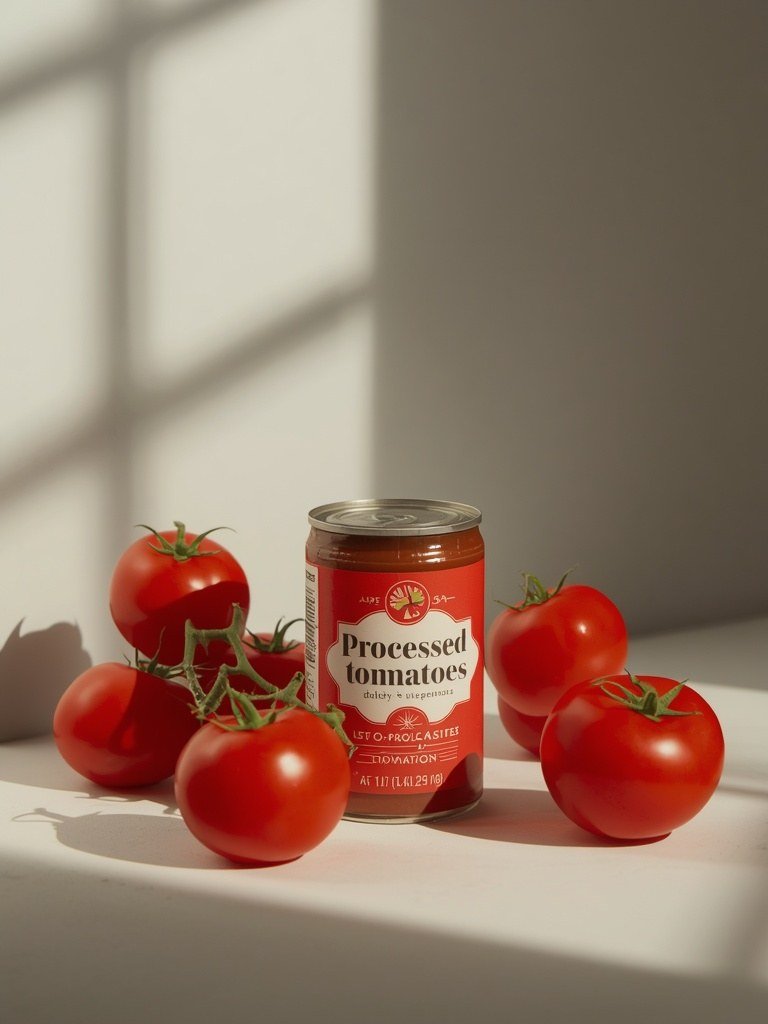
Canned tomatoes – nutritional values, production process, and culinary uses

Canned tomatoes – nutritional values, production process, and culinary uses

Processed tomato products, particularly canned whole peeled (pelati) and diced tomatoes, constitute an indispensable staple in contemporary wholesome cooking. Contrary to the common assumption that industrial food processing diminishes nutritional quality, thermal pasteurization drastically enhances the intestinal bioavailability of lycopene. How are canned tomatoes processed, which micronutrients survive thermal canning, and how are they optimally integrated into balanced meal preparation?

Traditional and modern beer compositions with herbs: characteristics of the varieties and benefits for the body

Traditional and modern beer compositions with herbs: characteristics of the varieties and benefits for the body

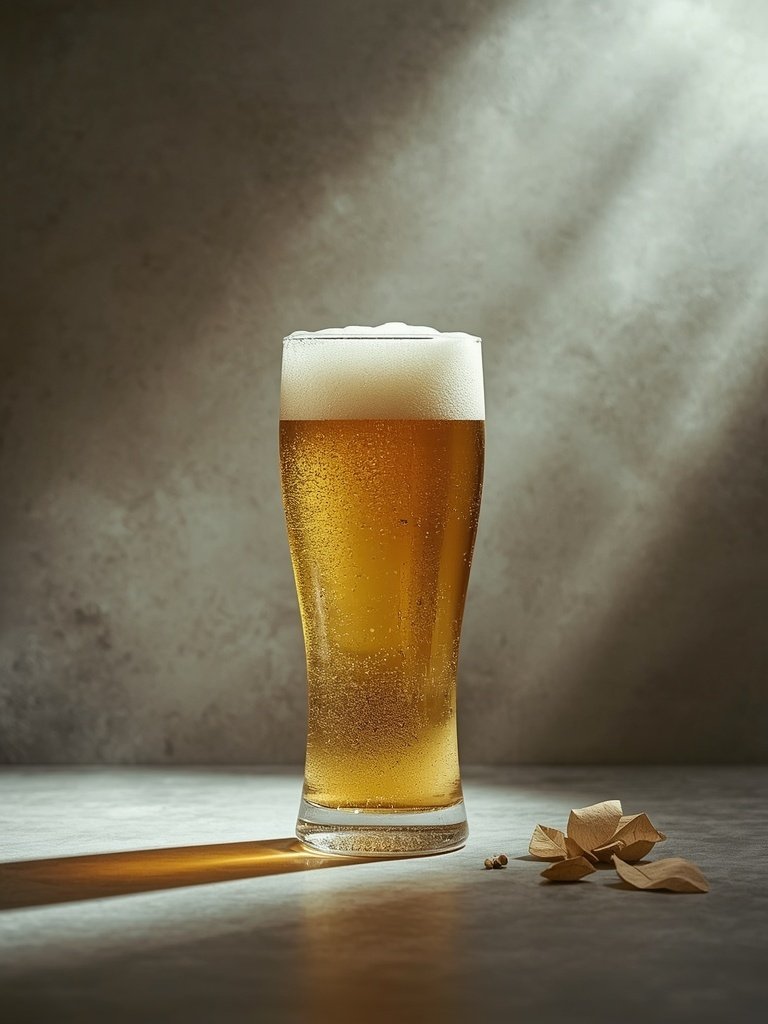
Contemporary breweries continually pursue innovative approaches by incorporating meticulously selected herbal blends into traditional beer formulations, which not only amplify and diversify the beverage’s inherent flavor-aroma complexity but also demonstrate well-documented health-promoting properties. These botanical additives—many with centuries-old medicinal applications—have the potential to support the functioning of multiple bodily systems, alleviate symptoms of common ailments, and provide essential trace elements alongside bioactive compounds.

Marshmallow oil – medicinal properties, joint regeneration, allantoin, and safe external use

Marshmallow oil – medicinal properties, joint regeneration, allantoin, and safe external use

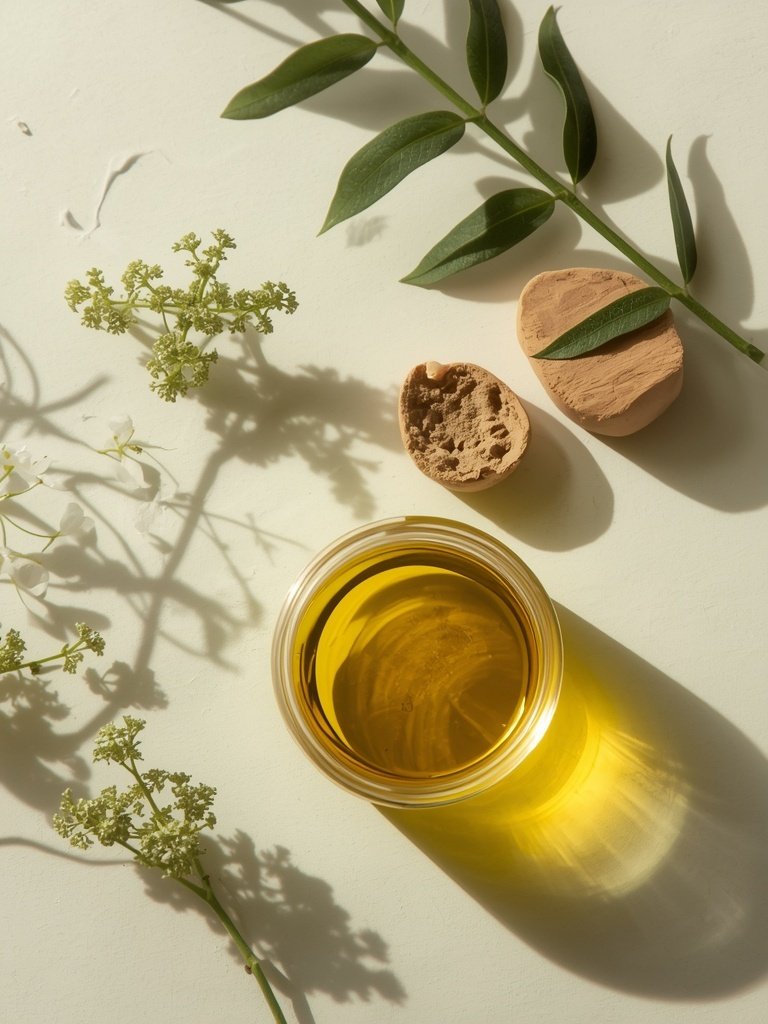
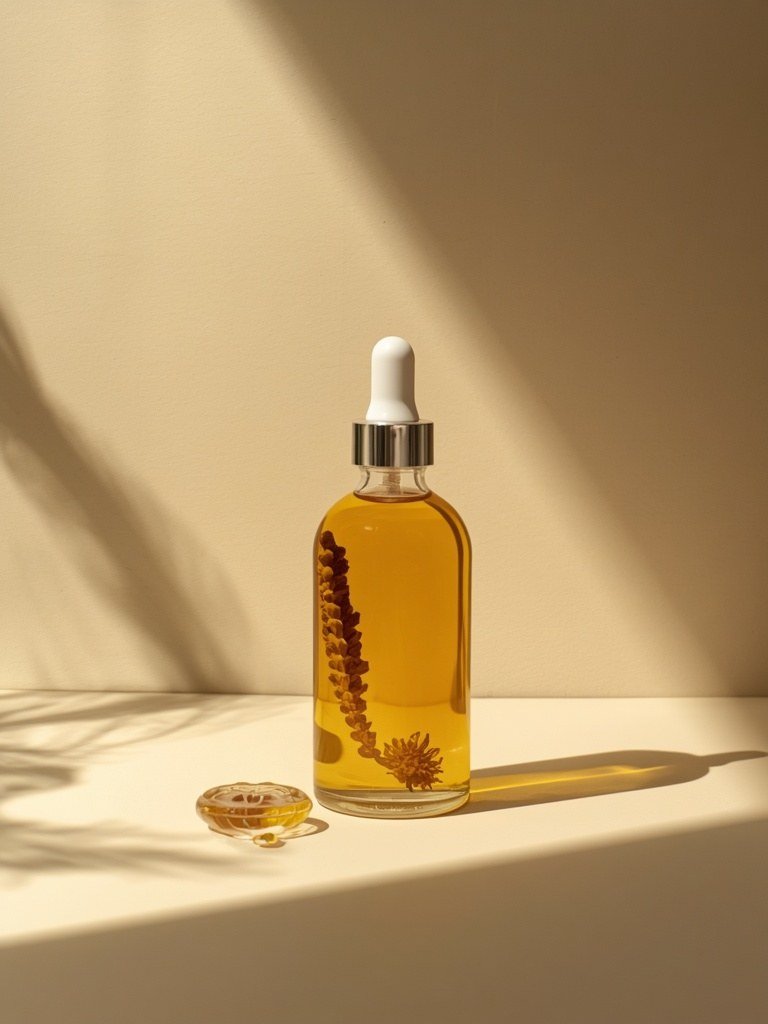
Comfrey (Symphytum officinale) has been esteemed since antiquity as a preeminent botanical remedy for musculoskeletal repair. Comfrey-infused oil, prepared via traditional maceration of fresh roots in a nourishing carrier oil, is rich in allantoin, rosmarinic acid, and tannins. It relieves joint and spinal discomfort, accelerates soft tissue healing, and restores damaged skin, provided it is strictly utilized for topical applications only.

Milk Thistle Oil – Hepatoprotective Properties, Silymarin, Dosage and Application

Milk Thistle Oil – Hepatoprotective Properties, Silymarin, Dosage and Application

Oil extracted from the seeds of milk thistle (Silybum marianum) represents an extraordinary botanical agent with rigorous empirical evidence supporting hepatoprotective efficacy. Combining silymarin flavonolignans, essential linoleic acid, and tocopherols, it promotes hepatocyte regeneration, assists systemic detoxification against xenobiotics, and improves digestive secretion.

Non-alcoholic fatty liver disease (NAFLD/MASLD) – phytotherapy, groundsel and diet

Non-alcoholic fatty liver disease (NAFLD/MASLD) – phytotherapy, groundsel and diet

Metabolic dysfunction-associated steatotic liver disease (MASLD, formerly NAFLD) affects an estimated 25% to 30% of the global adult population. Characterized by intrahepatic triglyceride accumulation exceeding 5% of liver weight in the absence of significant alcohol intake, it is intrinsically coupled with peripheral insulin resistance, visceral adiposity, and systemic low-grade inflammation. This clinical review evaluates molecular disease pathways (lipotoxicity and oxidative stress), dietary interventions prioritizing fructose restriction and the Mediterranean paradigm, and evidence-based phytotherapeutics including silymarin, berberine, and artichoke extract.

Homemade aphrodisiacs for both sexes – natural ingredients from the kitchen pantry that support intimate life

Homemade aphrodisiacs for both sexes – natural ingredients from the kitchen pantry that support intimate life

The term 'aphrodisiac' historically denotes natural foods enhancing libido, fertility, and sexual vitality. From the standpoint of modern endocrinology and nutritional physiology, substantiated natural aphrodisiacs act by optimizing endothelial nitric oxide synthesis (microvascular perfusion), dopamine signaling, and trace mineral availability for sex hormone synthesis.

Buckwheat honey: origin, unique characteristics, and practical use of this exceptional natural delicacy

Buckwheat honey: origin, unique characteristics, and practical use of this exceptional natural delicacy

Honeydew honey is regarded as one of the most valuable and expensive varieties of honey in Poland, a distinction stemming from the rare occurrence of honeydew—the sugary secretion produced by aphids and scale insects that serves as its primary raw material. Due to its limited availability, tied to the cyclical emergence of honeydew in only select regions of the country, this product remains relatively obscure, and its exceptional health-promoting properties are frequently overlooked. This extraordinary honey is characterized by a rich, spiced flavor profile, with both its taste nuances and color varying depending on the specific tree species from which the honeydew was harvested. Its extensive range of applications arises from its multifaceted preventive action, which aids the body in warding off a variety of ailments while simultaneously alleviating their troublesome symptoms, thereby establishing it as a prized component of natural wellness practices.

Candidiasis therapy using natural methods: antifungal phytotherapy and microbiota optimization in the fight against Candida albicans

Candidiasis therapy using natural methods: antifungal phytotherapy and microbiota optimization in the fight against Candida albicans

Candidiasis is among the most prevalent opportunistic infections, arising from an imbalance between host immune surveillance, indigenous gut microbiota, and yeast species of the genus Candida, predominantly Candida albicans. Under homeostatic physiological conditions, these organisms exist as harmless commensals within the gastrointestinal tract and mucosal linings. However, broad-spectrum antibiotics, high-glycemic diets, chronic psychological stress, and compromised immunity can trigger fungal overgrowth, phenotypic hyphal switching, and tissue invasion. This article details an evidence-based integrative protocol employing antifungal phytotherapy, bioactive lipids, and microbiota optimization.

French culinary art: unique characteristics, cultural heritage, and classic recipes

French culinary art: unique characteristics, cultural heritage, and classic recipes

French gastronomy serves as the structural foundation of modern Western culinary arts, inscribed on the UNESCO Intangible Cultural Heritage list as an archetype of gastronomic conviviality. From the rigorous codification of classical Haute Cuisine by Auguste Escoffier, to the foundational 'mother sauces' (sauces mères), down to rustic Provençal farmhouse traditions and Parisian bistro culture. Explore regional terroir, wine pairings, and definitive master recipes for classic French onion soup and Bœuf Bourguignon.

Gout and uric acid stones: diagnosis, therapy, the influence of alcohol, and low-purine diet principles

Gout and uric acid stones: diagnosis, therapy, the influence of alcohol, and low-purine diet principles

Gout (gouty arthritis) and uric acid urolithiasis stem from persistent hyperuricemia exceeding the physiologic solubility threshold of serum urate. The subsequent precipitation of monosodium urate crystals within synovial joints causes excruciating acute attacks (podagra), while renal tubular deposition fosters stone formation. This comprehensive clinical guide covers etiologies, laboratory diagnostics, medical management, and low-purine dietary protocols.

Diet for atherosclerosis. Herbs supporting the treatment of atherosclerosis

Diet for atherosclerosis. Herbs supporting the treatment of atherosclerosis

With societal progress, the consumption of highly processed foods and fast food increases. A fast-paced lifestyle leads to deteriorating dietary habits, reduced physical activity, and a rise in civilizational diseases. Among them is atherosclerosis, a vascular disease that significantly impairs quality of life and poses a serious health risk. Learn about the causes, symptoms, and effective prevention methods for this dangerous condition.

What should not be eaten during pregnancy? Forbidden herbs during pregnancy

What should not be eaten during pregnancy? Forbidden herbs during pregnancy

Pregnancy is a very important time for a woman, as a new life develops in her body. However, it is also a time when the woman should pay particular attention to her health, as the process of metabolic programming begins in fetal development, and the diet of the future mother plays a crucial role in the development of the baby both now and in the future.

Catechins – what are these substances and where can you find them?

Catechins – what are these substances and where can you find them?

Fruits, vegetables, seeds, and herbs are not only nutritious and flavorful, but they also serve as rich sources of bioactive compounds with well-documented health benefits. Among these, flavonoids stand out due to their diverse beneficial properties, including diuretic, spasmolytic, anti-inflammatory, anti-allergic, anti-ulcerative, anti-fungal, and antioxidant effects. Additionally, they contribute to the reinforcement of capillary walls. Catechins belong to a subgroup of flavonoids [1].

Thyme - the star among kitchen spices

Thyme - the star among kitchen spices

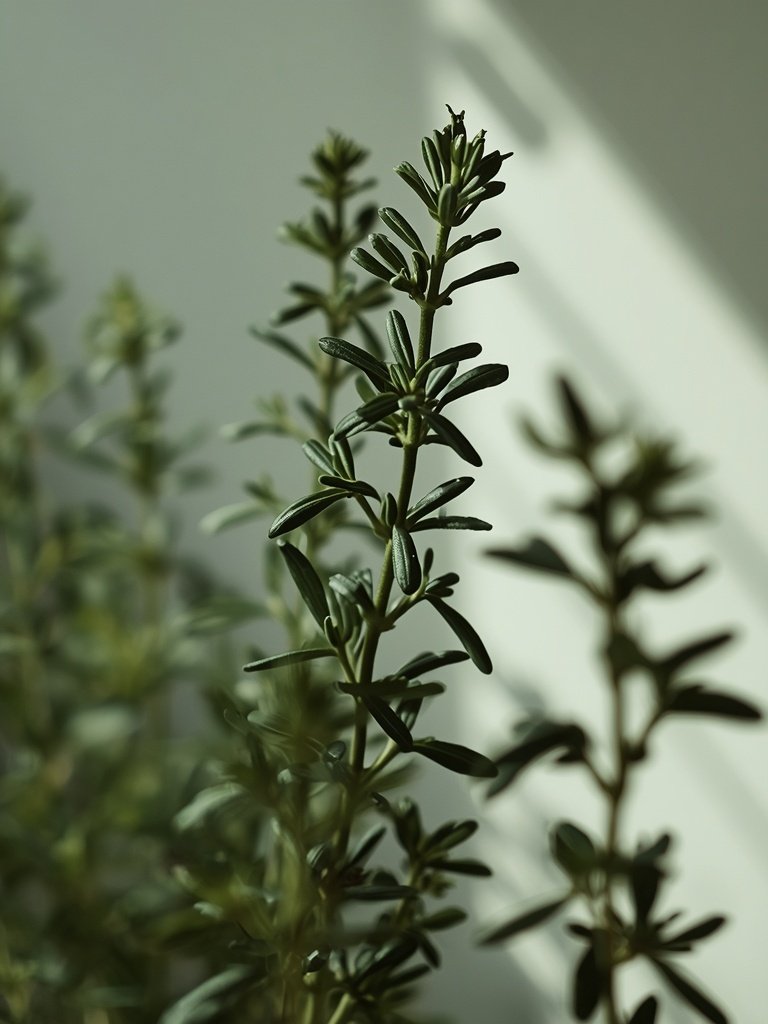
Thyme, originating from the Mediterranean region, is recognized for its health-promoting attributes and unparalleled fragrance, which has made it an indispensable spice in the kitchen. The extraordinary scent of this plant was even utilized in ancient Greece as incense in temples. Considering its numerous advantages, it is rewarding to learn how to use it and relish the unique taste of simple cuisine or beverages.

Rosacea - causes, nutrition, herbs, home remedies... How to treat rosacea?

Rosacea - causes, nutrition, herbs, home remedies... How to treat rosacea?

Rosacea is a chronic condition that has no definitive cause. It is characterized by periods of exacerbation (symptoms) and remission (temporary alleviation of symptoms). Only 4% of those affected by Rosacea originate from Africa, Asia, or Latin America. The condition predominantly affects women, particularly those in northern and western Europe. All undesirable states that negatively impact the appearance of the skin result in a significant deterioration of the quality of life. Various forms of this ailment can be distinguished, each presenting with distinct symptoms.

Regular tarragon – properties and uses. What is tarragon rhizome used for?

Regular tarragon – properties and uses. What is tarragon rhizome used for?

In line with the advances in medicine, herbal medicine and its therapeutic effects on the body have garnered significant attention. This interest may be partially driven by the search for new therapies. Current data collected by the World Human Organization attest to the presence of nearly 7,000 herbal compounds used in medicine. Therefore, we have dedicated the present article to one of the most popular herbs used in traditional folk medicine - common tatarak (lat. Acorus calamus L.). We invite you to read on!

Plantago psyllium cake (Plantago psyllium): uses and effects of "seeds of health"

Plantago psyllium cake (Plantago psyllium): uses and effects of "seeds of health"

What nature creates usually turns out to be a valuable source of health -- well-known herbs often successfully replace expensive pharmaceutical drugs, typically achieving the same or a similar outcome -- it's the same with Babka płesznik, specifically its health-promoting seeds, which are increasingly attracting attention not only for their nutritious qualities but also because they aid in weight loss.

Italian dill – effects, dill for babies, Italian dill seeds

Italian dill – effects, dill for babies, Italian dill seeds

"Italian herb will cause no harm to any human being when consumed raw. Ingested in any form, it will bring happiness to people, bestowing upon the skin a beautiful hue and a pleasant fragrance, and aiding digestion as well. These are the words of Hildegard, a woman who, despite her ignorance of the structure and properties of herbs, successfully employed them for medicinal purposes centuries ago, as confirmed by current scientific data."

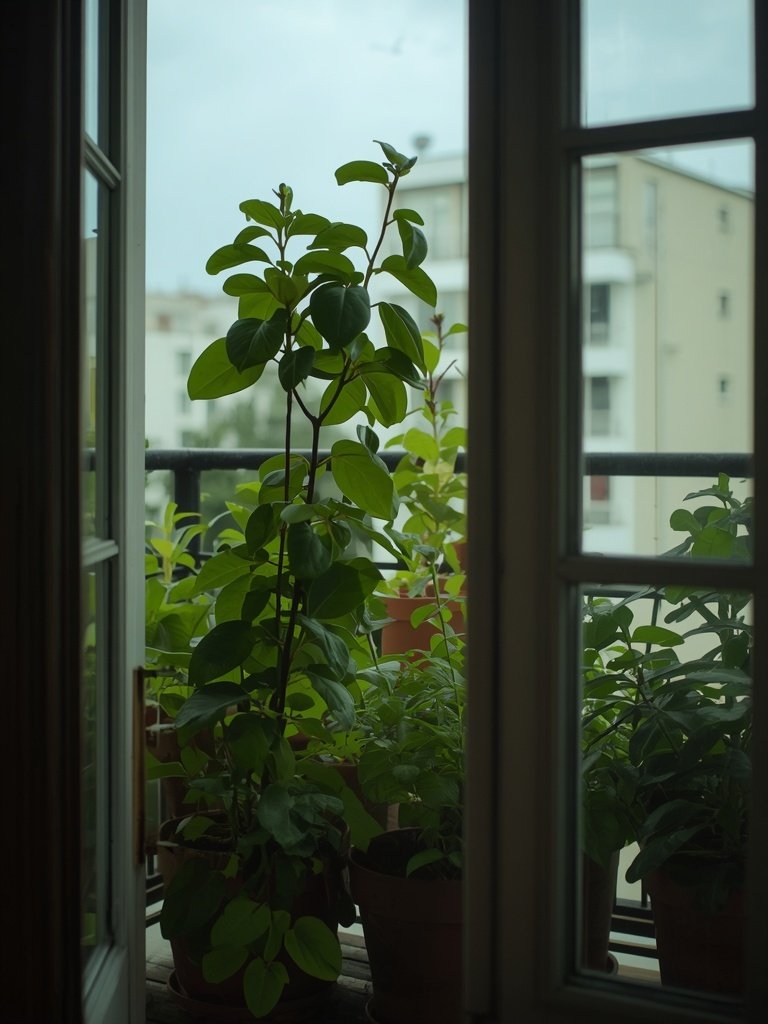
Home garden on your balcony!

Home garden on your balcony!

Just a small amount of effort is needed to always have fresh herbs on hand to assist you in maintaining your health and adding an unforgettable flavor to your dishes. You have to admit that dried basil does not possess the same aroma as fresh. Find out which herbs are the best and easiest to grow on your balustrade!

Share