Ketchup ingredient analysis: how to identify the healthiest product and what to absolutely avoid on labels?


Table of Contents 4
Medical & Editorial Disclaimer (§3 Terms): This article is for informational and educational purposes only, does not constitute medical advice, diagnosis, or treatment, and is used at your own risk. Consult a qualified physician for medical conditions.
The physiological value of authentic ketchup lies in its lycopene density, a carotenoid that becomes more bioavailable through the heating process used in tomato paste. This compound serves as a robust antioxidant that supports vascular health and mitigates oxidative stress within the body. Conversely, many commercial varieties rely on high-fructose corn syrup and synthetic thickeners like modified starch, which can contribute to metabolic strain and diminish the inherent benefits of the tomato fruit.
For daily nutrition, the most effective strategy is to prioritize clean-label products that boast a high ratio of fresh tomatoes to finished sauce. Consumers should look for ingredients such as apple cider vinegar, sea salt, and whole spices while strictly avoiding chemical preservatives and artificial sweeteners. Crafting an artisanal version at home using ripe tomatoes and natural alternatives like honey or erythritol ensures a nutrient-dense condiment that aligns perfectly with long-term wellness goals.
Ketchup, a ubiquitous condiment added to everything from classic fries to gourmet salads and sandwiches, raises important questions about its nutritional profile. Can this popular sauce genuinely fit into a balanced diet, or does it harbor hidden health risks? Let’s examine which ingredients define ketchup’s quality and which should trigger caution when scanning product labels at the grocery store.
The lycopene paradox: why tomato paste outshines raw tomatoes
While many classify ketchup solely as junk condiment, authentic artisanal ketchup represents one of the richest dietary reservoirs of lycopene. Lycopene is a potent antioxidant carotenoid that scavenges singlet oxygen, prevents vascular endothelial oxidation, and dramatically mitigates prostatic malignancy risks.
In raw tomatoes, lycopene is tightly bound within plant cell walls predominantly in the all-trans isomeric form. Thermal processing and concentration ruptures cell membranes, triggering isomerization into the cis-conformation, rendering the lycopene in quality ketchup 3 to 4 times more bioavailable than in raw tomatoes.
Market pitfalls: high-fructose corn syrup, starches, and artificial fillers
Regrettably, commercial commodity ketchups are often ultra-processed formulations. The primary hazard is excessive added sugar—cheap brands frequently pack 30–35 grams of sugar per 100 grams, typically utilizing high-fructose corn syrup (HFCS) which exacerbates non-alcoholic fatty liver disease (NAFLD) and insulin resistance.
To mask meager tomato content and excessive water, manufacturers add synthetic thickeners: modified starches, xanthan gum, guar gum, chemical acidifiers, and sodium benzoate. Such concoctions provide empty calories devoid of nutritional virtue.
Decoding the label: the tomato concentration ratio and clean-label standards
Selecting an optimal ketchup requires applying three rigorous label-reading criteria:
- Tomato Concentration Ratio: Select only products utilizing at least 200–250 grams of fresh tomatoes per 100 grams of finished sauce (higher metrics signify superior lycopene and potassium density).
- Clean Label Purity: Ingredients should strictly comprise: ripe tomatoes, vinegar (preferably apple cider vinegar), minimal unrefined cane sugar, sea salt, and natural whole spices (cloves, allspice, cinnamon).
- Zero Synthetic Gums: Natural viscosity must arise strictly from slow thermal reduction of tomatoes, never from added starches or hydrocolloids.
Artisanal homemade ketchup: simple antioxidant-rich recipe
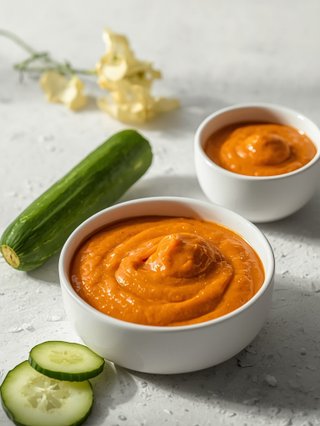
Crafting homemade ketchup at home grants absolute control over sweetener levels and ingredient purity. Simply simmer 1 kg of heirloom ripe tomatoes or concentrated passata with one sautéed shallot, a minced garlic clove, a splash of raw apple cider vinegar, a hint of raw honey or erythritol, sea salt, and ground cloves.
Pureeing and passing the sauce through a fine sieve yields a velvety, deeply aromatic condiment rich in bioactive lycopene that keeps refrigerated in glass jars for weeks.
Want to apply these guidelines in your daily diet?
Our smart diet generator creates a tailored meal plan in 3 minutes based on the recommendations in this article.

Kacper Nowak
• 23.10.2026Diets Premium Expert
Diets Premium team expert. Specializes in nutrition plans, strength sports, and training plans.